Dog trainers are feuding over praise versus correction
The decades-old rivalry between praise-only and correction-included training has moved to social media, where owners treat dogs like family.
 WSJ What's News · Can Netanyahu Hold On?
Scroll through dog-training feeds on social media and the tone quickly turns hostile.
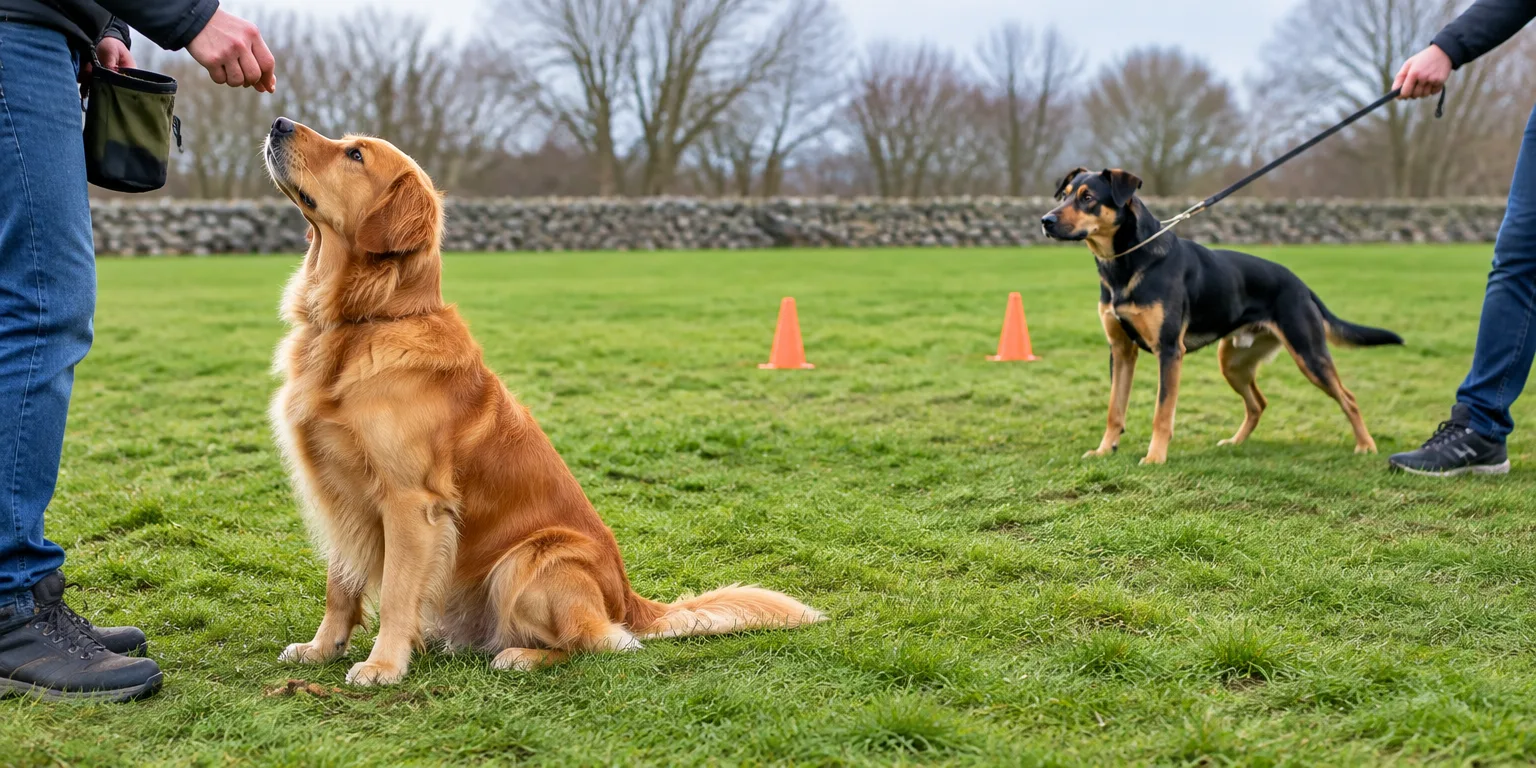
On one side are trainers who favor praise and rewards. On the other are so-called balanced trainers, who combine encouragement with corrections and varied equipment. In practice, that means one side stresses rewarding behavior owners want to see again, while the other side also corrects behavior owners want to stop.
Reporter Jamie Waters, who has followed the split, says it goes back many years. What has changed, she says, is social media, which has made the disagreement more heated.
That helps explain why this fight lands hard. Many owners now think of their dogs as family, so training sparks strong responses. Quite a few trainers compare it to debates over raising children, including how to discipline and when kindness turns into indulgence.
Waters says spoiling and punishing are where feelings run highest. Her reporting shows no sign the sides will come together.
As one person told Waters, "one side calls the other the devil and the other side calls the other treats-slinging wieners."
Questions people ask
What do positive trainers actually do in a training session?
They mainly reward behavior they want to see again, with food treats, praise, petting, play, or a chance to sniff and explore. When a dog does something unwanted, they typically redirect the dog, withhold the reward, or manage the situation so the dog cannot practice the behavior.
What extra tools do balanced trainers sometimes use?
Balanced trainers also use rewards, but they may add corrections meant to discourage behavior. Depending on the trainer, those can include leash pressure, verbal corrections, or equipment such as slip leads, prong collars, or electronic collars. Methods and intensity vary widely, which is part of why the term covers a broad group.
How should an owner pick a trainer?
Watch a full session first, ask what happens when the dog gets it right and what happens when the dog gets it wrong, and look for clear explanations without secrecy or guarantees. Owners should also ask about experience with their breed and behavior issue, and leave if they see fear, pain, or handling they would not accept for a family member.