Don't open a coffee shop unless you love beans, machines, and shift schedules
Working through bean suppliers, equipment, and shift coverage shows whether you want the work or just the daydream.
 experimentalhistory.substack.com · Face it: you're a crazy person
Before you quit to open a coffee shop, spell out what the days in that job would actually contain. That is the advice from a writer who runs this exercise with unhappy workers who say they want a cafe, testing whether they want the work or just the daydream.
By his account, about 75% say they would like to operate a small cafe. To sort the serious from the wistful, he recommends working out the daily details before you commit, a step psychologists call unpacking.
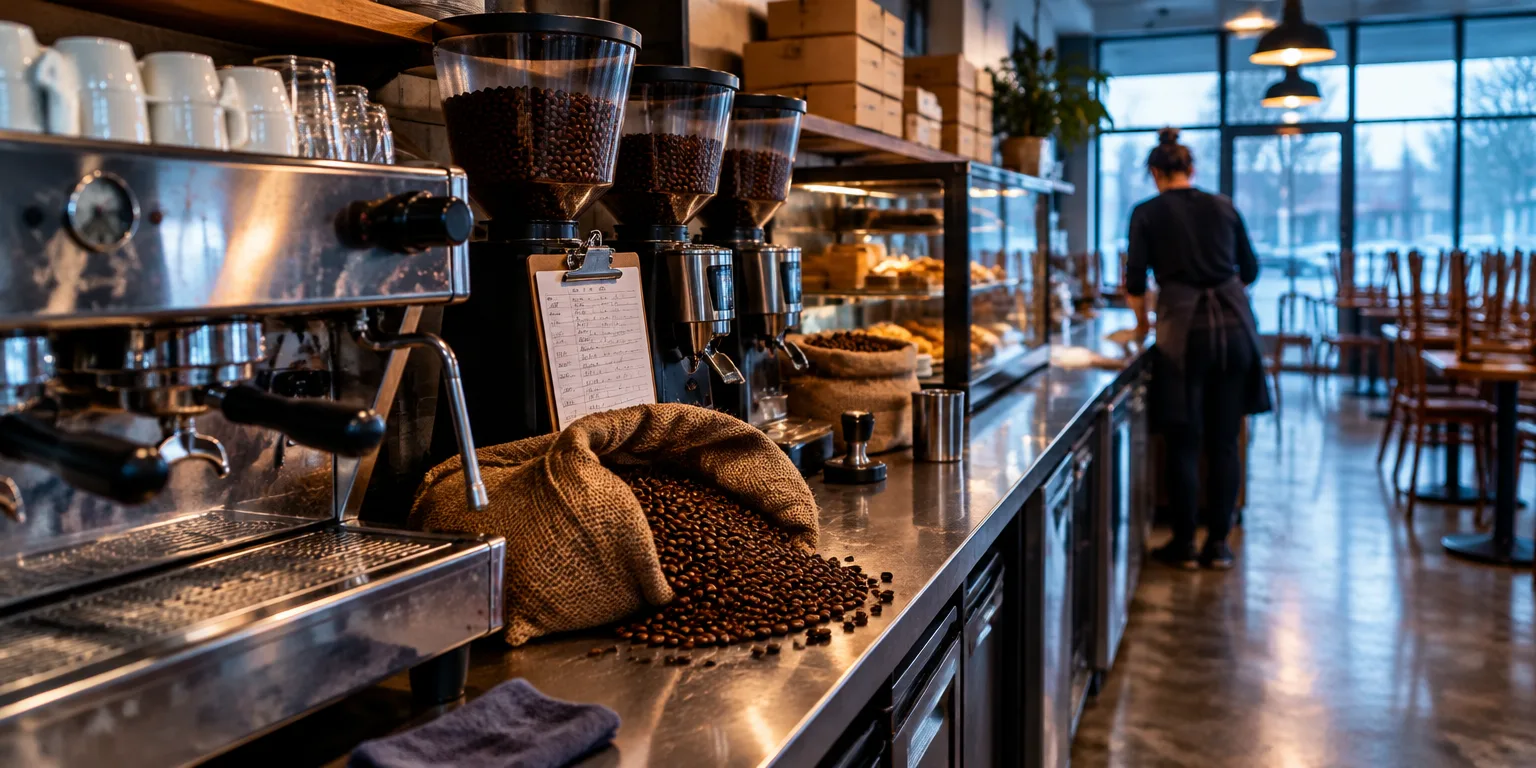
His version is the Coffee Beans Procedure. It starts with where the beans would come from, then moves to cups, the price of a professional espresso maker, whether muffins get baked on site or bought wholesale, which checkout and shift planning tools to use, and how to handle a 6am sick call from an assistant manager.
His rule is direct: do not open a cafe unless you can answer those questions and find them interesting. As he puts it: "You will not be sitting droopy-lidded in an easy chair, sipping a latte and greeting your regulars as you page through Anna Karenina. You will be running a small business that sells hot bean water."
The same approach applies to any job. The method is easy and free, yet hardly anyone tries it because it feels strange to admit ignorance and keep asking basic questions. People describe work in vague terms, like being a link between two departments, so he says to press for specifics: how they spent that morning, what comes next, what is on your screen all day, and is that part pleasant or just tolerated. That is how you learn that fire crews do little firefighting and that game streamers can play 12 hours a day.
Then compare the answers with your own past. Look for overlap with tasks you have already tried, and ask whether the hours themselves felt good, apart from the identity they offered or the fact that you had done them. He notes the questions feel embarrassing to ask, but what you hear back can catch you off guard. If talk of suppliers, machines, and schedules leaves you cold, you do not want the shop.
Questions people ask
How much does a La Marzocco espresso machine actually cost?
A commercial two-group machine often costs $12,000 to $25,000 before installation, water filtration, and maintenance, while the small Linea Mini made for home use costs around $6,000. For a cafe, owners also budget for grinders, service contracts, and spare parts, because downtime means no espresso sales.
What does point-of-sale software do in a coffee shop?
It rings up orders, tracks cash and card payments, manages tips and taxes, and connects to inventory and labor reports. For a coffee shop, the same system usually handles loyalty programs, online orders, and sales by hour, which helps an owner decide staffing and how many pastries to order.
Is it true that firefighters mostly don't fight fires?
In most U.S. departments, fire calls are a small share of responses. Crews spend far more time on medical calls, car accidents, alarm checks, inspections, training, and station maintenance, so the daily job is closer to emergency medical response and readiness than hose work.