Dried Pasta Beats Fresh Pasta With Butter, Cheese, and Pepper
Sterling says the al dente texture is more fun with the cheese, butter, and pepper emulsion.
 Freakonomics Radio Network · Why Chef Hillary Sterling Trusts Her Senses Over Science | Better in Person
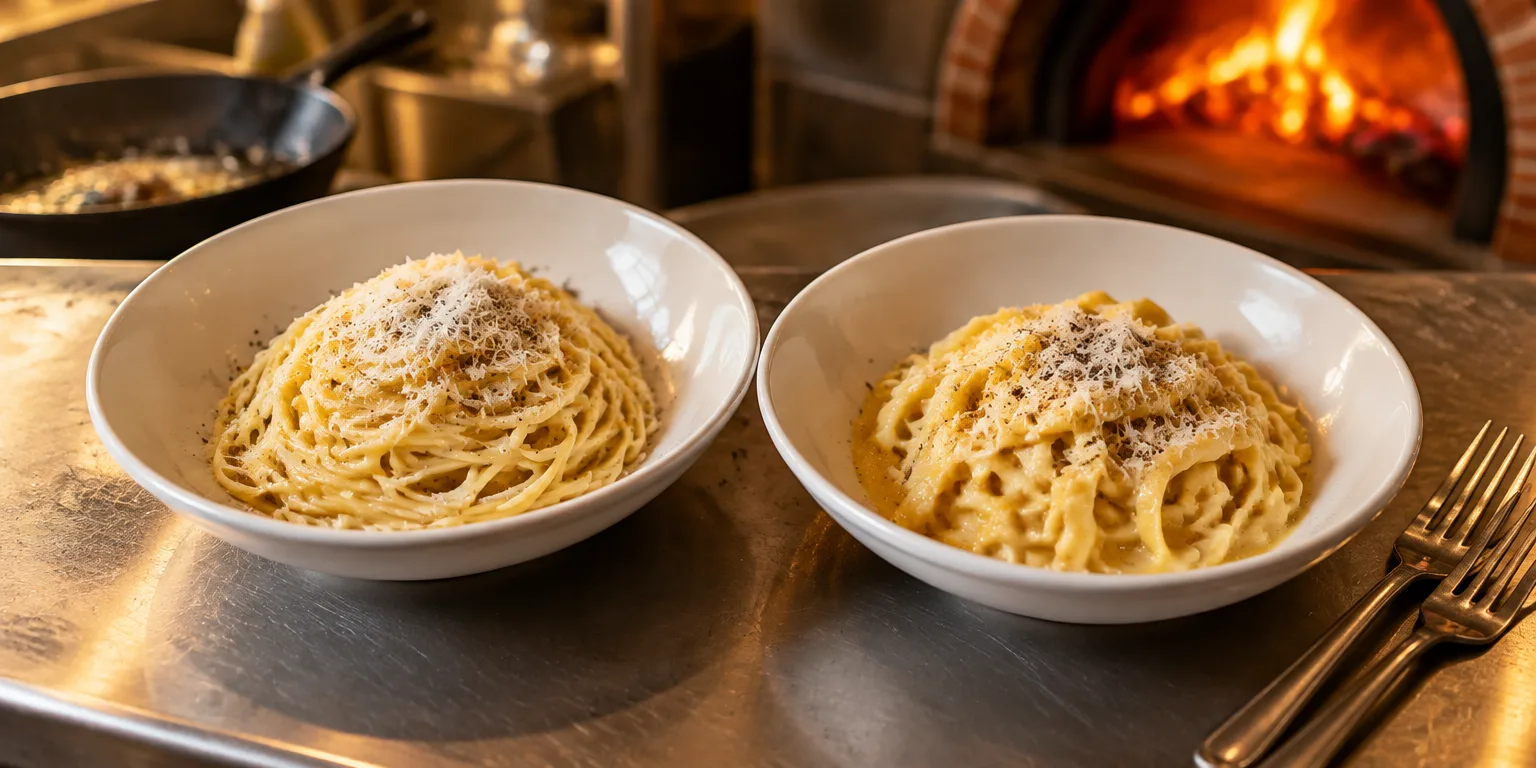
In Hillary Sterling's tasting, dried pasta beat fresh pasta with butter, cheese, and pepper. She picked the dried pasta because she liked the firm, al dente texture more with that sauce.
Hillary Sterling, executive chef at Ci Siamo in New York City, a large restaurant that celebrates live-fire Italian cooking, tasted the two bowls together with Stephen Dubner, who visited her kitchen to cook and talk. Sterling said she liked the al dente, or firm to the bite, texture, saying it is "more fun with the emulsion of cheese and butter pepper."
Dubner said the homemade, fresh pasta tasted "a little bit mushy." Sterling joked that he had just called her pasta mushy.
Questions people ask
What does al dente actually mean?
Al dente is Italian for to the tooth, and it means pasta that is cooked through but still firm when you bite it. Chefs test it by biting a piece and looking for a slight resistance in the center rather than softness all the way through.
Why is dried pasta firmer than fresh pasta?
Most dried pasta is made from durum wheat semolina and water, then squeezed through a mold and dried, which helps it stay firm and springy in boiling water. Many fresh pastas are made with eggs and softer wheat flour, which makes them tender and rich but also softer once sauced.
Does dried pasta always beat fresh?
No. Dried pasta tends to win with light coatings and oily or buttery sauces that need a firm noodle for contrast. Fresh egg pasta tends to shine with rich meat sauces and creamy sauces that cling to its soft, porous surface.