Drone Blood Deliveries Were Linked to 51% Fewer Maternal Bleeding Deaths
About half the blood went to mothers with severe bleeding after birth.
 The a16z Show · What Breaks When You Scale 10x? | Zipline’s Keller Cliffton
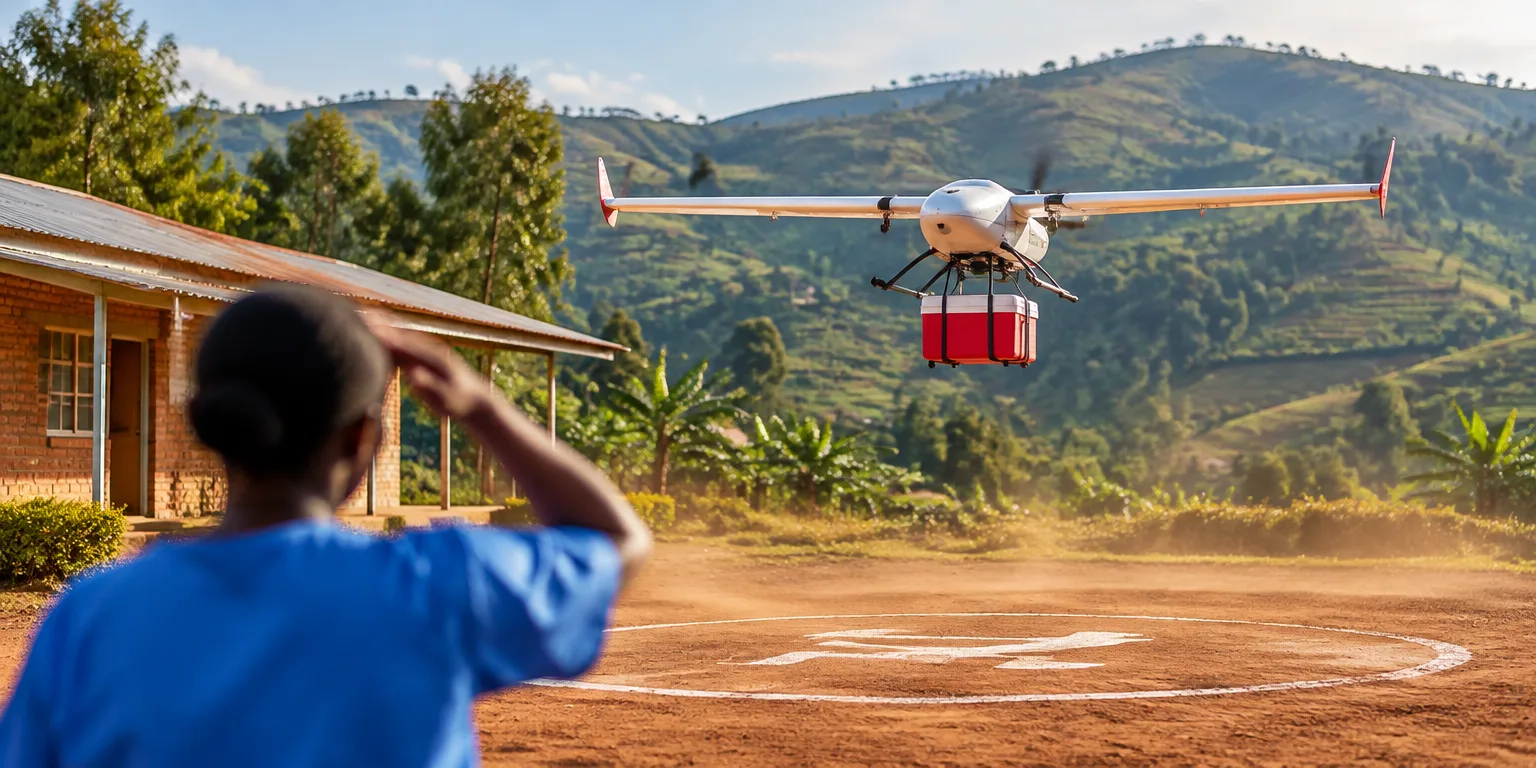
Blood delivered by drone in Rwanda was linked to 51% fewer deaths from heavy bleeding after childbirth, according to research from the University of Pennsylvania.
Zipline, an automated logistics company led by chief executive Keller Cliffton, could not legally fly aircraft autonomously in American airspace. It decided to focus on countries willing to grant regulatory exemptions, spent about three years developing initial versions of the system, and launched in Rwanda in 2016.
The service carried blood transfusions to 21 hospitals. About half that blood went to mothers with postpartum hemorrhage, dangerous bleeding after birth, and about 30% went to children under age five.
Cliffton said experts had called the idea unworkable and uneconomical. He said the company would have devoted itself to the work for even a 5% reduction, adding that reliable delivery turns out to be a major part of health care.
Questions people ask
Why is bleeding after birth so dangerous?
Postpartum hemorrhage is severe bleeding after delivery, and it can become fatal within hours. Treatment often requires a rapid transfusion of matching blood, which small or rural hospitals may not have stored in sufficient supply.
How common is death from bleeding after birth?
Bleeding after birth is one of the leading causes of maternal death worldwide, especially where hospitals lack large blood banks. The World Health Organization estimates it contributes to tens of thousands of maternal deaths each year.