Early Passenger Trains Were Rolling Ads to Win Freight Business
Freight made the real money, and comfortable passenger cars were how railroads courted the executives who chose a shipper.
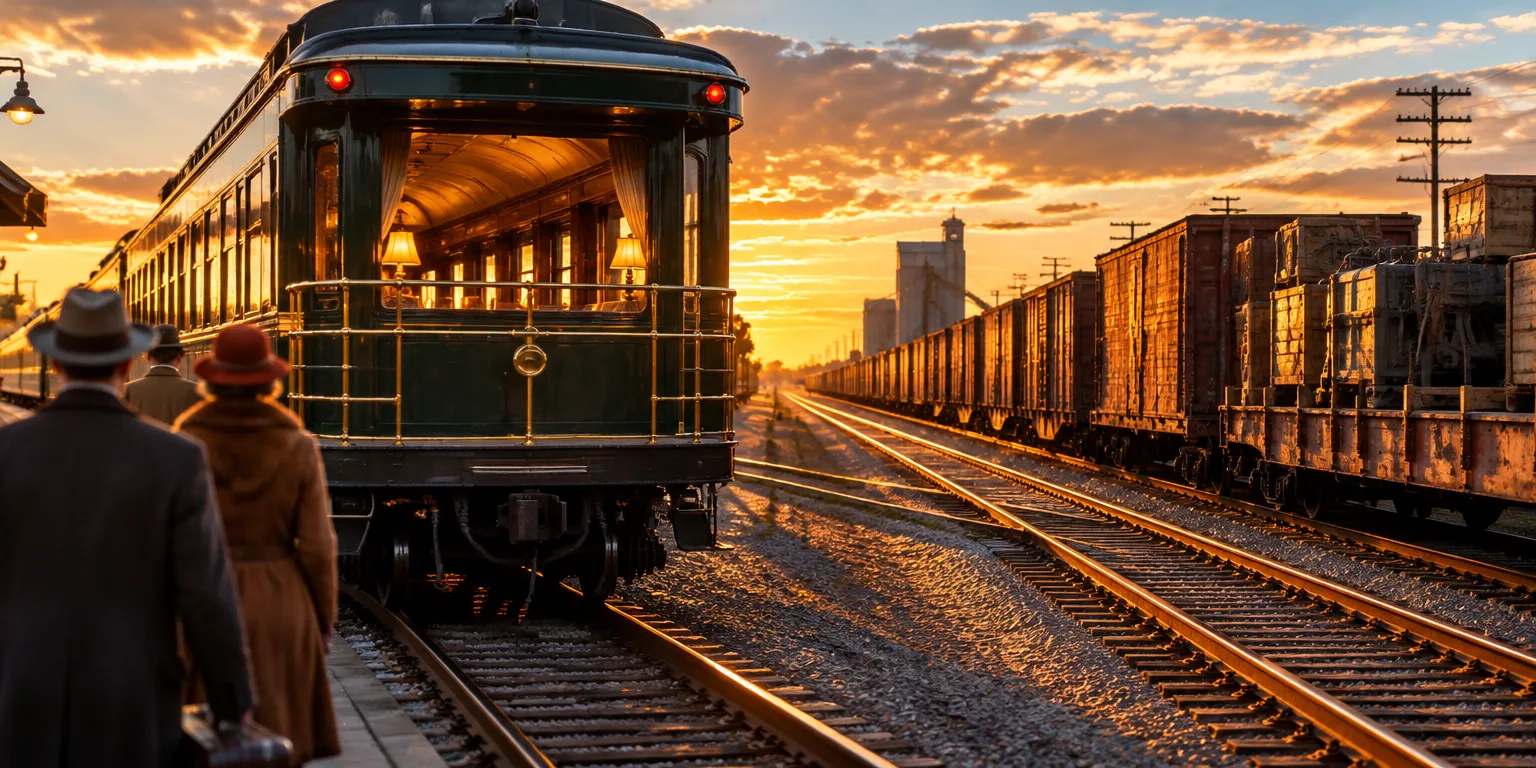
 Wendover Productions · Why Trains Suck in America
For decades, American railroads ran passenger trains not to profit from passengers but to impress the executives who shipped freight.
Freight was where the real money was. Passenger service could sometimes pay, but most companies treated it as a mobile advertisement, a way to show the executives who chose a shipper that their line was fast, modern, and reliable.
The pitch worked because trains were then the fastest and most fashionable way to get around. Then cars caught on in the 1930s and planes in the 1950s, and the executives started driving and flying instead. Once the audience left the train, there was little reason to run the ad.
Questions people ask
Did any passenger trains actually make money?
Some did, especially on busy routes, but freight paid far better overall. The few passenger trains that stayed profitable into the mid-1900s often relied on a separate income stream: carrying and sorting U.S. mail en route.
Why did private railroads stop running passenger trains?
Cars and planes took away both riders and the advertising value of a glamorous train. By the late 1960s, most passenger service was losing money, which led Congress to create Amtrak in 1971 to take over intercity passenger trains while freight railroads focused on freight.
Is freight by rail still big in America?
Yes. About 38% of U.S. freight moves by rail, compared with about 8% in Europe. That is one reason American passenger trains are often delayed: on most tracks, the freight railroad owns the line and gives its own freight trains priority.