Earthworms cannot speak or hear, but you can hear them eat
Their feeding makes soft, Velcro-like scrapes that can reveal the health of ecosystems.
 Aeon · Worm munch matters
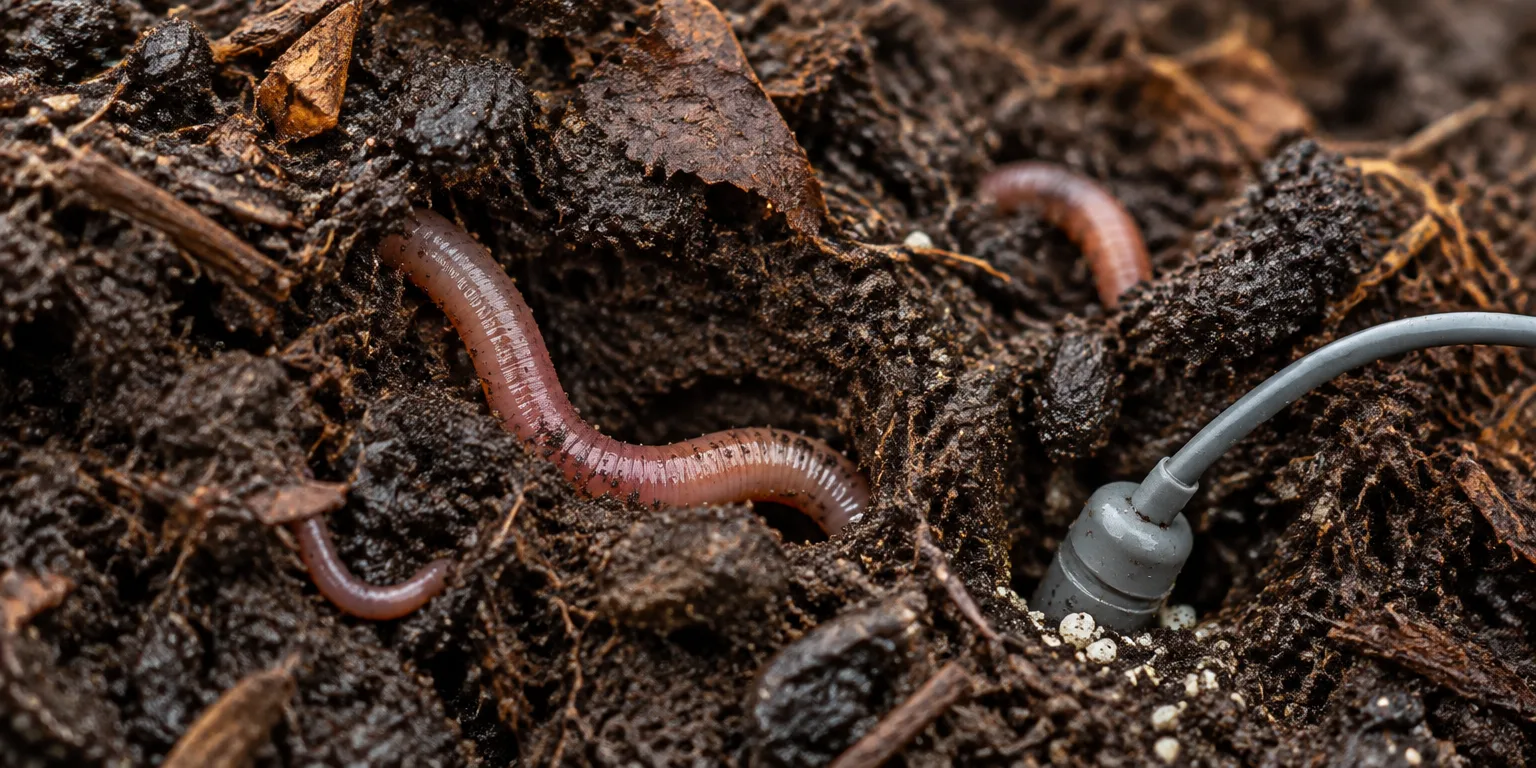
Earthworms have no discernible mouth, no way to make sound, and no ears, yet you can hear them eat. The sound is not a call or a voice, but the incidental scrape of bodies pushing through soil and along burrow walls as they feed.
Ella Browning, an interdisciplinary ecologist and postdoctoral researcher at the University of Oxford's Leverhulme Centre for Nature Recovery, heard it by listening, with headphones on, to a box of soil kept in her department basement. What she heard was, in Browning's words, "soft, Velcro-like scrapes of earthworms eating" soil and decaying organic matter.
Browning has loved earthworms since childhood, when she delighted in finding them while digging potatoes on her parents' allotment. Now she ducks down at music festivals to rescue them from muddy boots.
Those feeding sounds offer a way to listen in on underground life. A busy soil suggests abundant animal activity with natural processes intact, while a quiet one can point to depleted or scarred ground, though scientists are still learning to read the differences.
Questions people ask
What did the researcher study before earthworms?
Browning previously studied bats, using acoustic sensors to track their rapid echolocation calls and how populations respond to environmental change. She later applied the same listening approach below ground to earthworms and soil recovery.
When are worms loudest, and where?
In Browning's grassland recordings, acoustic activity peaked after midnight, when earthworms are most active in the soil. Recordings were also more diverse under rewilded grassland than under intensively grazed cattle pasture.
Why listen instead of just digging up soil to test it?
Traditional checks require digging samples and laboratory analysis for acidity, nutrients, water capacity, microbes, and carbon, and they capture only small snapshots. Buried sensors can record for days in several places at once, offering a continuous, less disruptive picture.