Effort is what makes things memorable and valuable
Psychologists call it the effort paradox. We dodge hard work, then treasure most the things hard work made.
 Make Me Smile with Miist · It Shouldn't Be That Easy
You can see Mount Everest from your couch while eating McDonald's, look for a few minutes, then move on and forget it. Gabriel Basso, an actor known for The Night Agent, pointed out that being able to see that view from home is no reason to settle for it. In his view, the view matters more when it is earned. A climber who trains, plans, and reaches the top will carry that view in memory for decades, because the hard work earned it.
The work is what builds the memory. When you build something yourself, even something as ordinary as an addition to a house, you recall the hours spent, the irritation along the way, and the pride of completion. That package of experiences creates attachment, and none of it exists when you simply buy the finished thing. That is why it is so much harder to throw away or sell something you helped make.
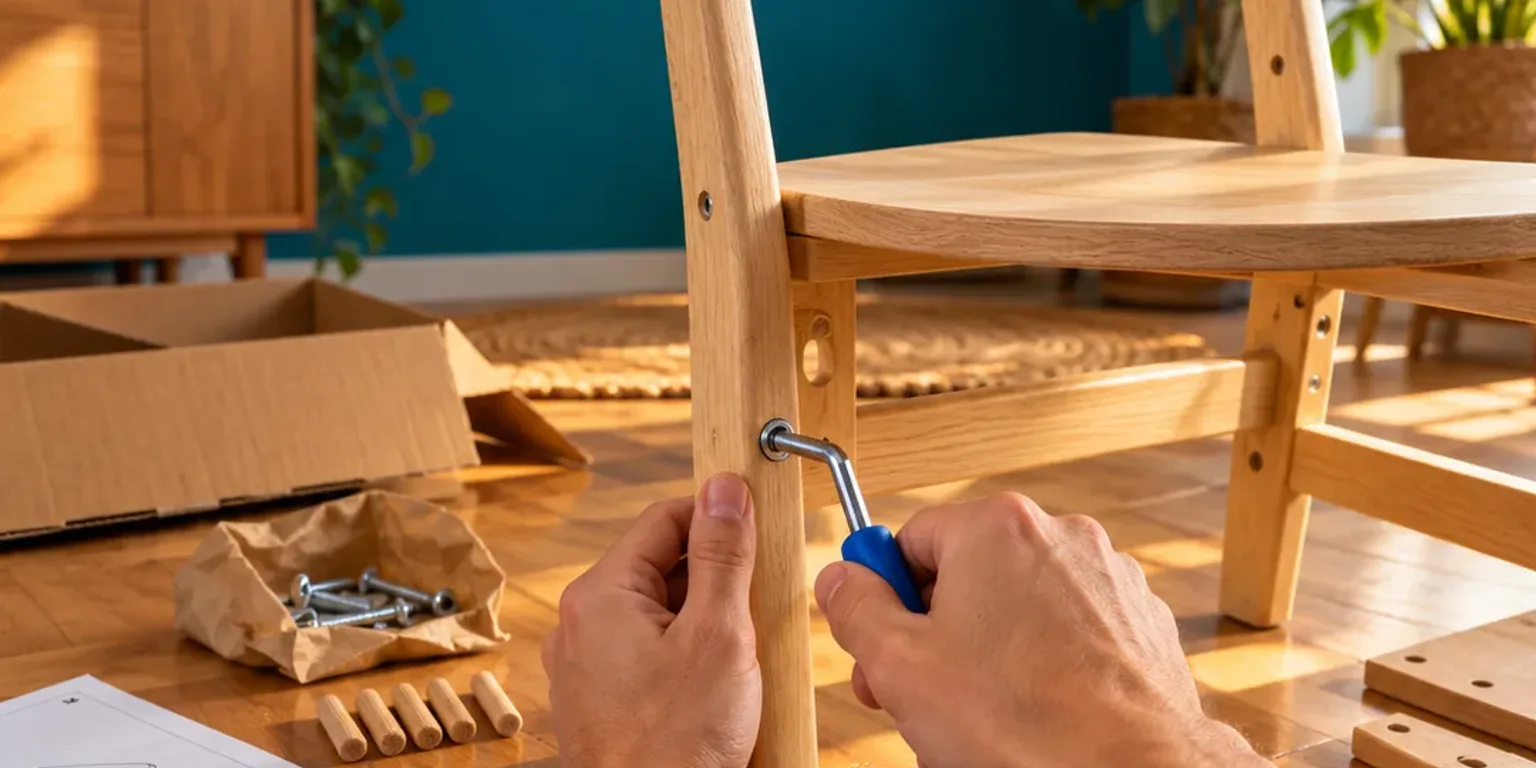
Psychologists have a name for that attachment. According to Wikipedia, "the IKEA effect is a cognitive bias in which consumers place a disproportionately high value on products they partially created." We prize things more when we devote effort and skill to them, whether it is flat pack furniture, a house design, or a Lego build.
That points to a stranger pattern described by Michael Inslicht, a psychology professor at the University of Toronto. He calls it the effort paradox, which he defines as "the contradictory human tendency to simultaneously avoid effort as a cost while actively seeking out and valuing difficult, effortful tasks." In Inslicht's view, older ideas pictured people as always choosing the lowest strain option, yet he says we often pick exercise or complex projects because going through the strain can make the finish feel richer.
The catch is that we tend to avoid effort. Seeing Everest from the couch is easy and kind of cool, but it has almost no personal value. Training, planning, and summiting would change you. Because we now want things easy and fast, the practical lesson is to choose the hands-on version when memory and attachment matter.
Questions people ask
How can I use this idea in an ordinary day?
Pick one small hands-on step, like cooking a meal from scratch, assembling furniture yourself, or walking part of a route instead of driving it. The added time and attention give your memory more to hold, which is why the result tends to feel more satisfying.
Does this mean rest is bad?
No. Rest helps the body and brain recover, and easy pleasures can lift mood for a while. The point is balance: rest to recover, and save effort for the people, skills, and projects you want to remember and value most.