El Niño Usually Holds Down Atlantic Hurricanes, So the Gulf Thought It Had Escaped
The season's first hurricane arrived late, after hopes that El Niño would hold storms down.
 Up First from NPR · Bracing For Hurricane Isaias, Ukraine Pushes Russia Back, Iran War Impact On Midterms
El Niño is a warming of water in the tropical Pacific Ocean that shifts winds and rain around the world. In the Atlantic, that shift usually makes it harder for hurricanes to form and grow. It lowers the odds, but it does not rule storms out.
The season's first hurricane, Hurricane Isaias, arrived late in the season, well after storms usually build in late summer. An El Niño pattern had fed hopes that the coast had escaped the worst.
NPR reporter Debbie Elliott, reporting from Crestview in the Florida Panhandle, said “we thought we had escaped the worst this year” because that Pacific warming tends to hold down Atlantic hurricanes.
Warm local water can still feed a storm. Very warm water in the Gulf of Mexico fed the system over several days. Forecasters with the National Hurricane Center said it could be dangerous at landfall, with the cone of possible landfall narrowing toward the Alabama-Florida line, with winds topping 100 miles an hour, a storm surge of five to seven feet, and up to 15 inches of rain in some places.
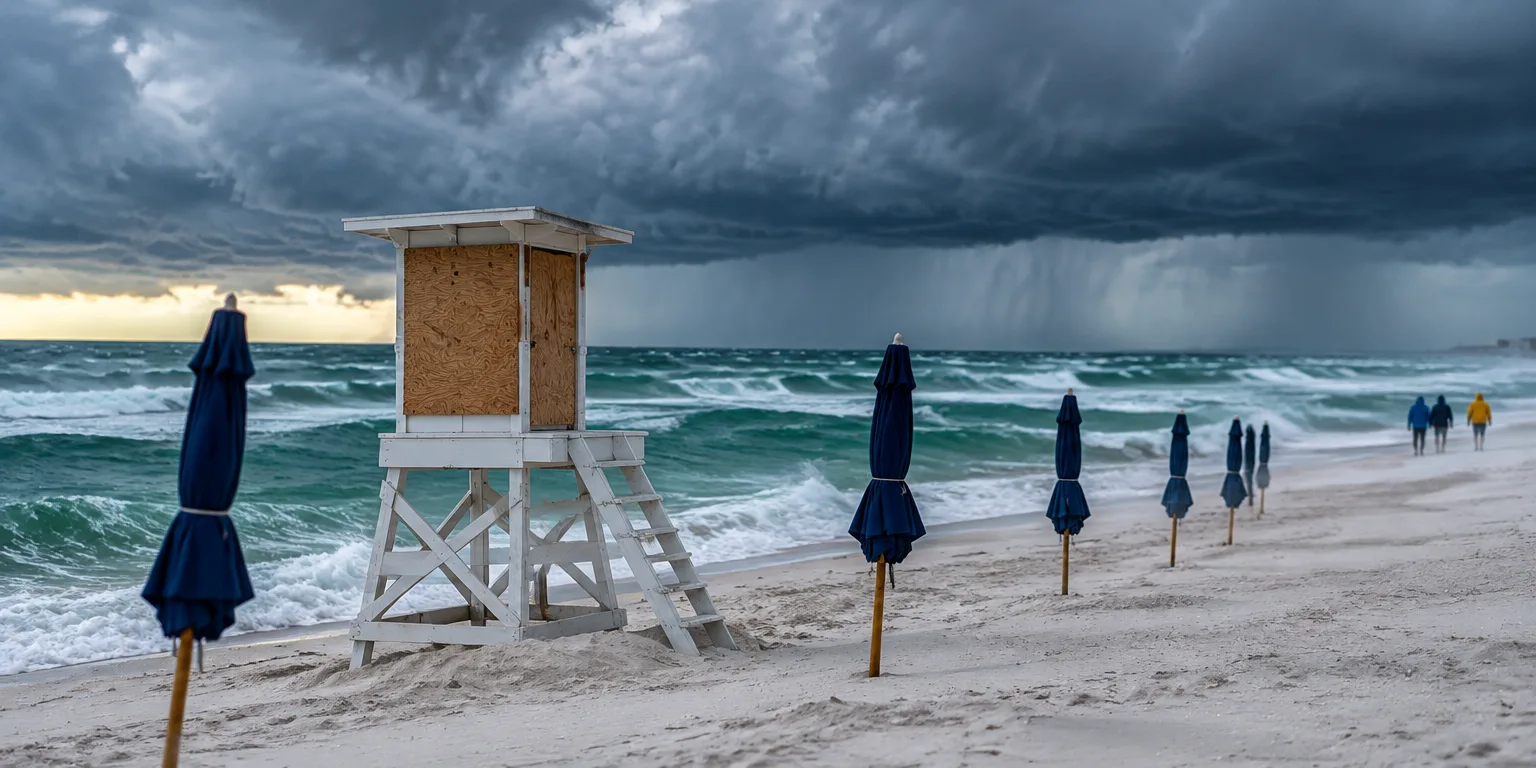
Officials ordered evacuations in coastal communities in the Florida Panhandle and opened shelters, and Alabama ordered tourists off the beaches. Schools and government offices were closing as the storm approached.
Questions people ask
Why do Atlantic hurricanes usually peak in late summer?
In late summer, Atlantic waters are at their warmest after months of sun, which gives storms fuel. Wind patterns are also more favorable then for disturbances to organize. By fall, conditions often become less suitable, which is why a late first storm is unusual.
Why can the Gulf still produce a storm during El Niño?
El Niño changes the large-scale winds, but warm local water can still feed a storm. The Gulf of Mexico was very warm for several days before landfall. That heat adds moisture and energy, helping a system strengthen even when the broader pattern is unfavorable.
How late in the year can hurricanes form?
The Atlantic season officially runs from June through November, so late-season storms are possible but less common. Later storms depend on pockets of warm water and workable winds. Forecasters still watch the Gulf and Caribbean until the season ends.