Elon Musk bought Twitter and found an empty office spending like it was full
One building was vacant, lunches cost $400 each, and fresh supplies kept arriving for no one.
 All-In with Chamath, Jason, Sacks & Friedberg · Elon Musk: OpenAI Betrayal, His Future at Tesla, and the Next Big Thing — Grokipedia
Jason Calacanis, a friend of Twitter's new owner Elon Musk, drove up to the company's headquarters in downtown San Francisco expecting the usual hunt for a spot. Instead he found open parking spaces ringing the entire building. He parked, legally, and walked in.
Inside were two buildings. One was completely and utterly empty, and the other was about 5% occupied. Musk and his team held their first meetings to figure out what was going on in what Calacanis called "the one with literally no one in it," and when they tried to draw on a whiteboard, none of the markers worked.
They had gone dry from about two years of disuse, while a cleaning crew had kept cleaning the already clean place for two or three years straight. It was a company still spending as if a full staff came to work every day, when almost no one did.
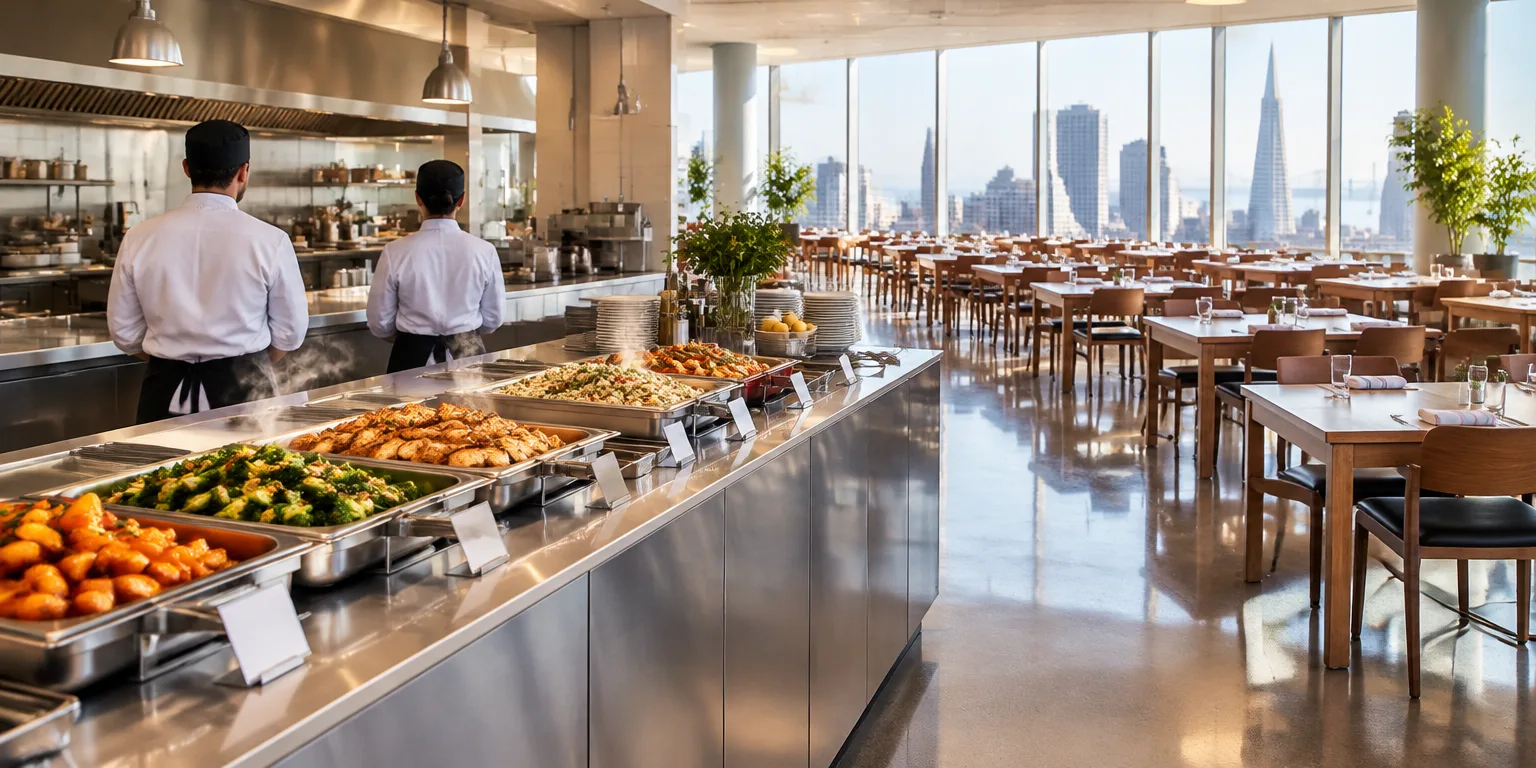
The cafeteria told the story most clearly. The dining room was big and nice, and the cooks outnumbered the diners. The kitchen was still making roughly the same amount of food for a fraction of the staff, so a lunch that was supposed to cost $20 effectively cost $400, or about 20 times as much at 5% occupancy.
The same autopilot spending showed up in the men's bathroom in the empty building. There was a table with menstrual hygiene products, and every week for years someone restocked it with a new box. It was hard to imagine who it could be for, since the building had no workers and the women's bathroom also had supplies.
Down the hall they found an entire room piled with company merchandise, including scarves, hoodies, and shirts stamped with #Staywoke, plus magnetic buttons that declared the wearer an engineer. Calacanis and his group wondered who the buttons were meant to convince, since working code would show it.
The largest waste was invisible. As a publicly traded company, Twitter had been paying for software subscriptions for two years that no one used, and some programs had never even been installed. That included desking software, which charges a set amount per desk, in an office where no one came to work, and camera software to analyze pedestrian traffic jams in a building with no pedestrians. The team spent the first 30 days going through the list and canceling millions of dollars in contracts for desks no one sat in and hallways no one walked through.
Questions people ask
Why was Twitter's headquarters so empty when Musk arrived?
Twitter, like many tech companies, sent workers home during the pandemic and many never returned to the office full time. By late 2022, remote work, resignations, and layoff uncertainty had left large San Francisco offices unusually quiet.
What is desking software?
It is office software that tracks and reserves desks, often charging a monthly fee for each desk managed. It is meant for hybrid workplaces where employees book a different seat each day.
Did Musk keep paying for all of this?
No. His team spent the first 30 days canceling the unused software contracts. That included the desking software charged per desk and the camera software for analyzing pedestrian traffic, contracts worth millions of dollars.