Embarrassment Can Keep People From Fleeing Disaster
People would rather fit in than move first, even when waiting is dangerous.
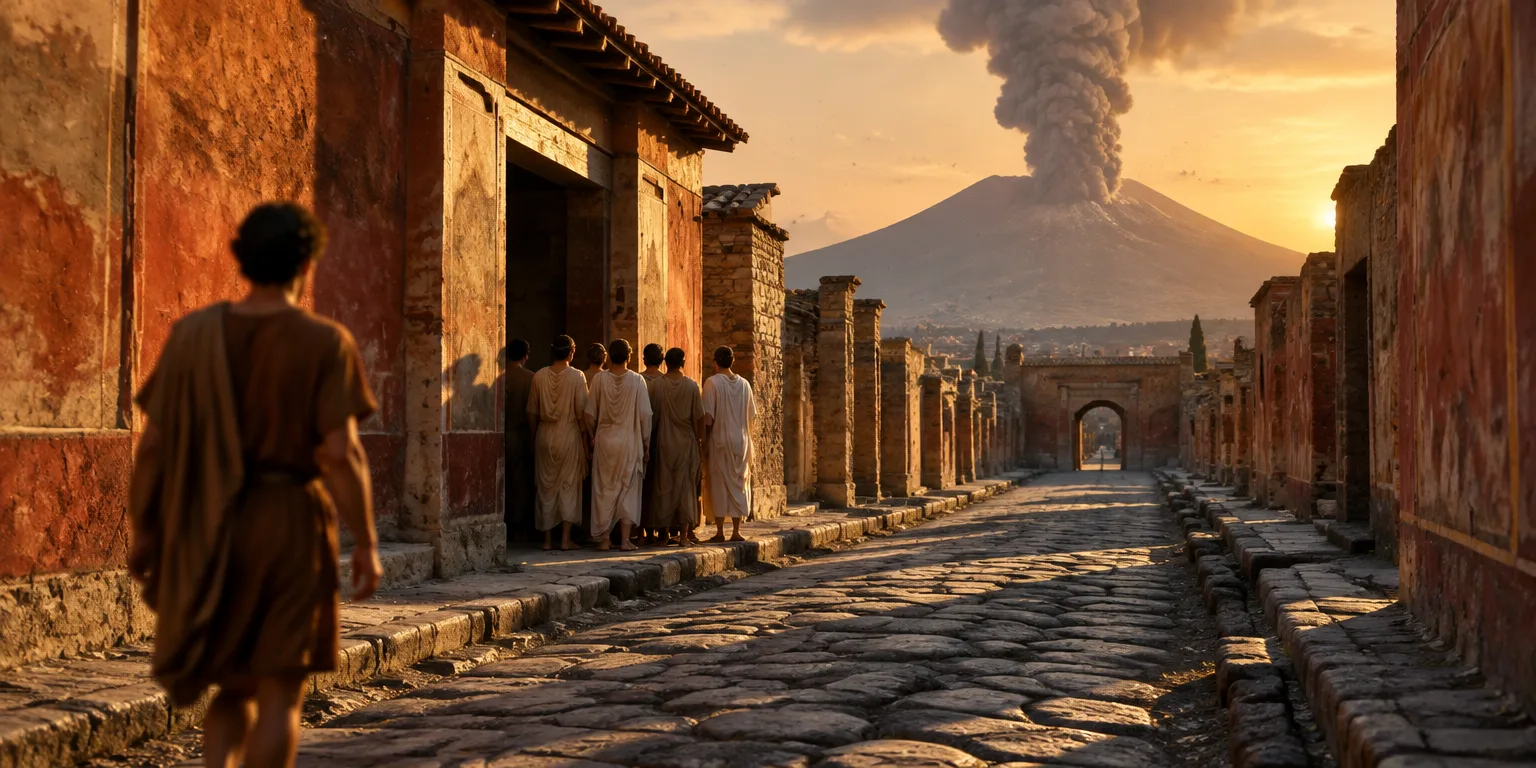
 National Geographic · Beginning of Vesuvius' Eruption (Full Episode) | Pompeii: Out of Time with Tom Hiddleston | Nat Geo
Disaster psychologist Sarita Robinson studies how people behave under extreme stress, looking at how they respond and explain their decisions. She says people are predictable, and understanding that can help train first responders and save lives. She also argues people have not changed much in 2,000 years, so the same patterns can help explain Pompeii.
In a staged demonstration with actor Tom Hiddleston, who is tracing the stories of two Pompeii residents, Robinson turned around and Hiddleston turned with her. Robinson called his copycat turn an example of social conformity.
Her claim about people is that they do not want to embarrass themselves by doing something different. In a disaster, she argues, that reluctance to break from the crowd can delay evacuation or prevent action altogether. People copy the crowd, and that can delay leaving.
She puts the danger bluntly: "social conformity kills."
Robinson offers another predictable reason people wait, which she calls alarm fatigue. In studies in her lab, she says, people learn that alarms signal no danger, so they stop responding. She suggests residents near Vesuvius, used to tremors as people in modern Italy are today, may have learned to ignore shaking the way people ignore a fire alarm.
When Hiddleston asks in the staged exchange whether the dramatized teenager Avianius will evacuate immediately once Vesuvius erupts, Robinson answers, "maybe."
She explains that in emergencies, people often stay behind to find family members and confirm they are safe. In the dramatization, Avianius says he cannot leave his mother and turns back toward Pompeii to find her. Like conformity, she presents it as a predictable reason for delay.
Questions people ask
What exactly is social conformity?
Social conformity means looking to others for cues about what to do, especially when the situation is unclear. Fear of embarrassment makes people reluctant to be the first to act, so they wait to see what the group does.
Do people often delay during real disasters?
Yes. Researchers commonly observe delayed movement, information seeking, gathering belongings, and checking on others before leaving. Immediate flight is less typical than pausing to interpret what is happening.
What helps people overcome the urge to wait?
Clear instructions from a trusted authority, loud and specific alarms, visible danger, and seeing neighbors leave can help. Those signals make leaving feel both urgent and socially acceptable.