Empty farm fields could grow our next jet fuel
The technology is the easy part, and the fuel could reuse the same farms and supply chains a second time each year.
 The SAF Podcast · Mikala Grubb, Topsoe: The 100th episode and tech behind a third of the world's SAF
After more than a decade following renewable fuels, Mikala Grubb was asked where the next jet fuel will come from. Grubb, senior vice president for all technologies at Topsoe, a company that licenses fuel making technology to plant builders, knows best today's fuel made from waste oils and fats like used cooking oil, animal fats, and waste greases. Those supplies are constrained and getting "harder to secure at a competitive price," she said.
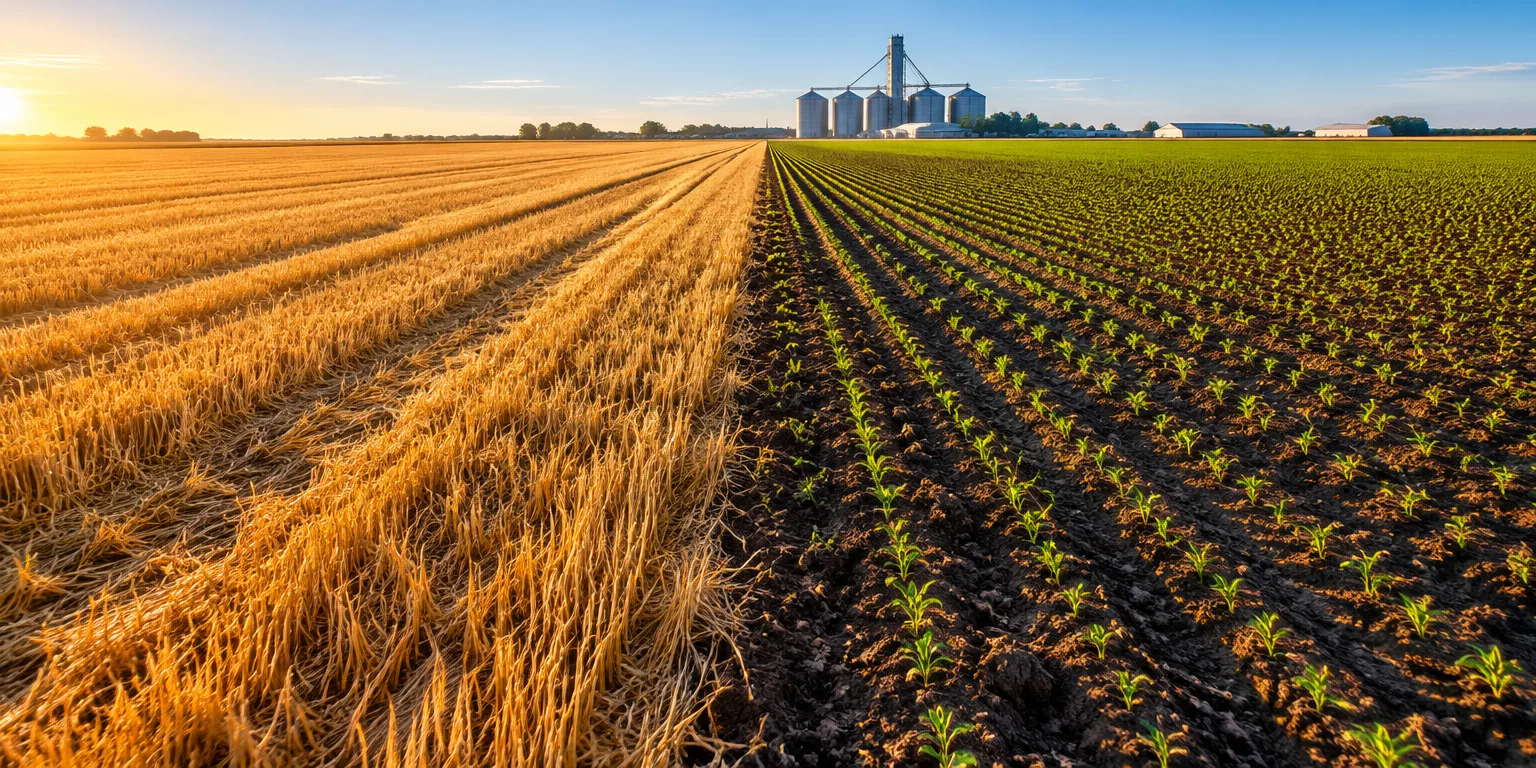
Her pick was intermediate crops grown between harvests, meaning extra plantings that farmers fit into the normal rotation of what grows in a field between main harvests. For what she called intermediate and rotational crops, she said, "You can put an intermediate crop and utilize the entire value chain one more time in the same year."
By that she meant the empty months. A farmer harvests the main crop, the field sits bare, and a second oilseed crop is planted and harvested that same year for fuel. That lets growers reuse the same chain a second time, meaning the same fields, collection, and processing steps. Grubb, who has worked at Topsoe for 19 years, called the idea a no-brainer.
She argued it has the lowest technology challenge among the next generation options she discussed. She laughed as she said it, adding, "please do it." Various outlooks she follows suggest these crops could reach 28 million tons by 2050, but she said that supply is still something that needs to grow.
The timing matters because the raw oil or fat, what the industry calls feedstock, is sometimes well over half the cost of making this jet fuel, and road transport, aviation, maritime, and chemicals are all chasing the same liquid oils. She said there is adequate supply for announced projects now, but she anticipates a crunch after 2030 as fuel mandates tighten, with European Union rules in 2026 tightening sustainability and traceability and requiring that fuel inputs be certifiable.
She also argued the extra crop supports farmers while "sidestepping the food versus fuel debate" that haunted first generation biofuels.
Questions people ask
What kind of crop would grow in that empty window?
Candidates being tested include hardy oilseeds like camelina, carinata, and pennycress, which make small oil rich seeds. They are chosen because they can sprout, mature, and be harvested quickly in fallow weeks, and their oil can be crushed out for fuel.
How does a farm crop become fuel for a jet?
The plant oil is cleaned and then treated with hydrogen under heat and pressure, which removes oxygen and reshapes it into hydrocarbons very similar to those in petroleum jet fuel. That finished fuel is then blended with conventional jet fuel, because planes are certified to fly on defined blends.
Why was food-versus-fuel such a fight?
Early biofuels often used corn, sugarcane, or palm oil that could otherwise feed people or required new farmland, so higher fuel demand raised worries about food prices and deforestation. An extra crop grown after the food harvest is meant to avoid that tradeoff, though critics still watch water use, fertilizer, and land effects closely.