Entrepreneurship Classes Should Teach Sustainability, Not Just Profit
Most studies focus on economic growth, the researchers argue, while businesses that solve human problems should be taught.
 frontiersin.org · Frontiers | The Development of a Sustainability-Oriented Creativity, Innovation, and Entrepreneurship Education Framework: A Perspective Study
In a proposal for teaching business creation, researcher Yu Shu and his coauthors offer a blunt diagnosis. Most studies of entrepreneurship education focus on economic benefit rather than sustainability.
Surveying the field, they argue that most studies of creativity, innovation, and entrepreneurship focus on pro-market institutions and economic development. The value proposition, they write, is economical and profit-oriented.
That leaves a gap. One review they cite found that little research connects entrepreneurship training with sustainable development, and that programs producing environmentally sustainable products are rare.
The researchers argue that sustainable development should be a core value for both founders starting companies and educators planning courses. Overdevelopment that emphasizes economic interests, they warn, may expose humans to more danger and natural disasters.
They trace how that broader view emerged. Environmental activism in the 1980s centered on nature, a United Nations agenda in 2000 broadened the discussion to social progress, and the 17 Sustainable Development Goals adopted in 2015 now guide human development.
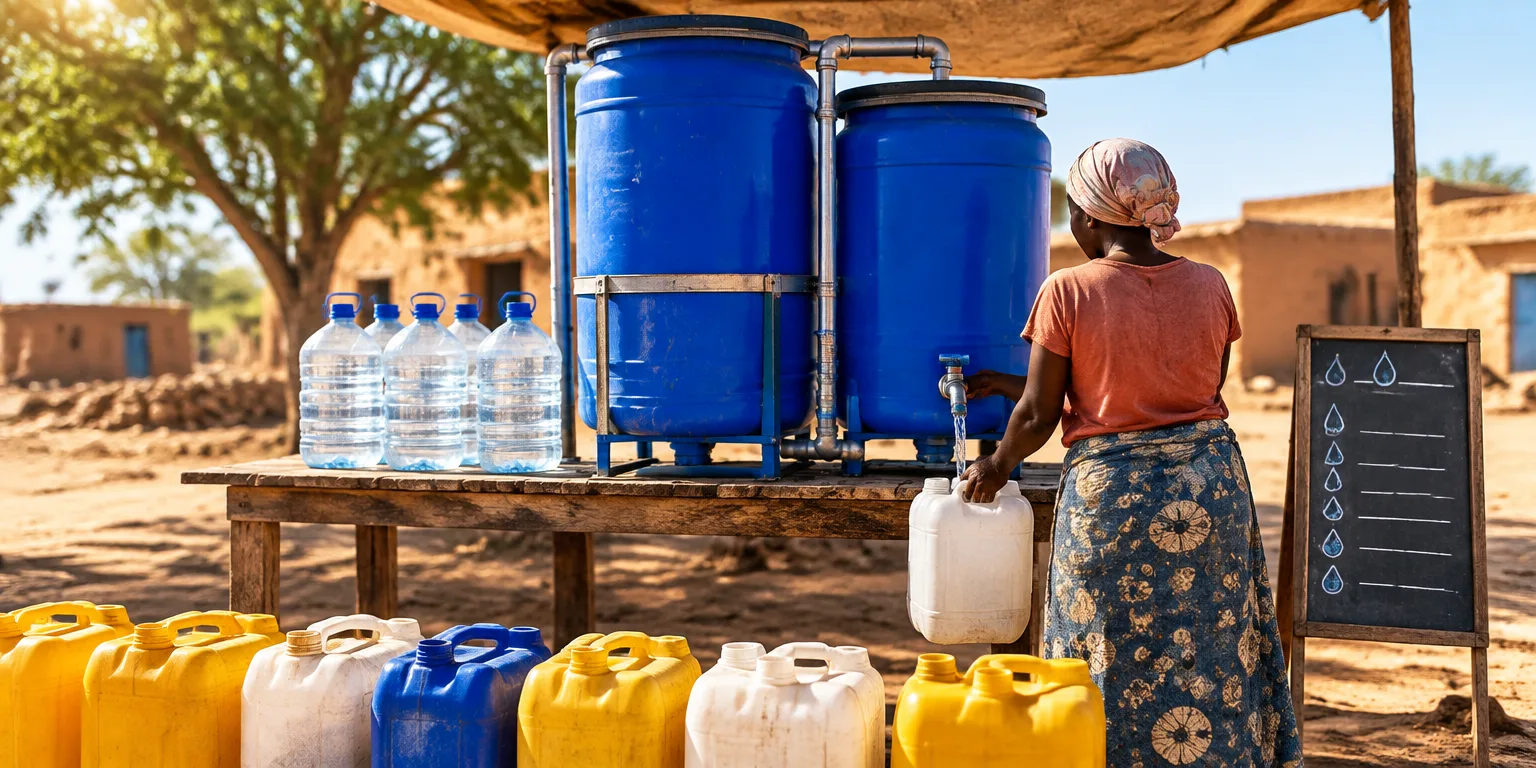
Their answer is the social enterprise, a business built to solve a human problem. In their account, such ventures blur the line between business and society. They claim the global goals "will not succeed if social enterprise is missing," because such firms provide catalytic and innovative participation.
That kind of business does not emerge naturally, they argue, because it runs against the logic of mainstream capitalism. They argue that starting one "might depend on entrepreneurship education in schools," which is why they call folding the global goals into teaching imperative.
The proposal was untested in classrooms as of the 2020 paper, since it was built from prior research rather than an experiment. In that paper, the authors presented it as a direction for future courses.
Questions people ask
What are the Sustainable Development Goals?
They are 17 global goals adopted by the United Nations in 2015, covering poverty, hunger, health, education, gender equality, energy, work, innovation, inequality, cities, consumption, climate, oceans, land, peace, and partnership. Governments use them to guide policy through 2030, and the authors say they can also guide what students choose to build.
What is a social enterprise?
It is a business that aims to solve a social or environmental problem while earning revenue, rather than maximizing profit for owners alone. Examples include companies that provide clean water, affordable health care, or jobs for disadvantaged workers. The authors see such firms as a bridge between nonprofits and conventional companies.
Has this sustainability-focused approach been shown to work in schools?
Not yet. The authors describe the framework as based on literature and practical experience, and say they plan to turn it into a course and test it in future research. That means the classroom benefits are still a hypothesis, not a measured result.