Even the best driver cannot win without one of the two best cars
In Formula 1, 2% separates the best team from the worst, so milliseconds decide races.
 Norges Bank Investment Management · The McLaren Turnaround | Zak Brown | Podcast | In Good Company
Only six of the 20 Formula 1 drivers are capable of winning the championship, and only if they are in one of the two best cars, said Zak Brown, CEO of McLaren Racing.
The reason is how tight the field is. Brown said 2% separates the best team from the worst, calling 2% “our margin of error.” That is why teams work so hard for small, incremental gains measured in milliseconds.
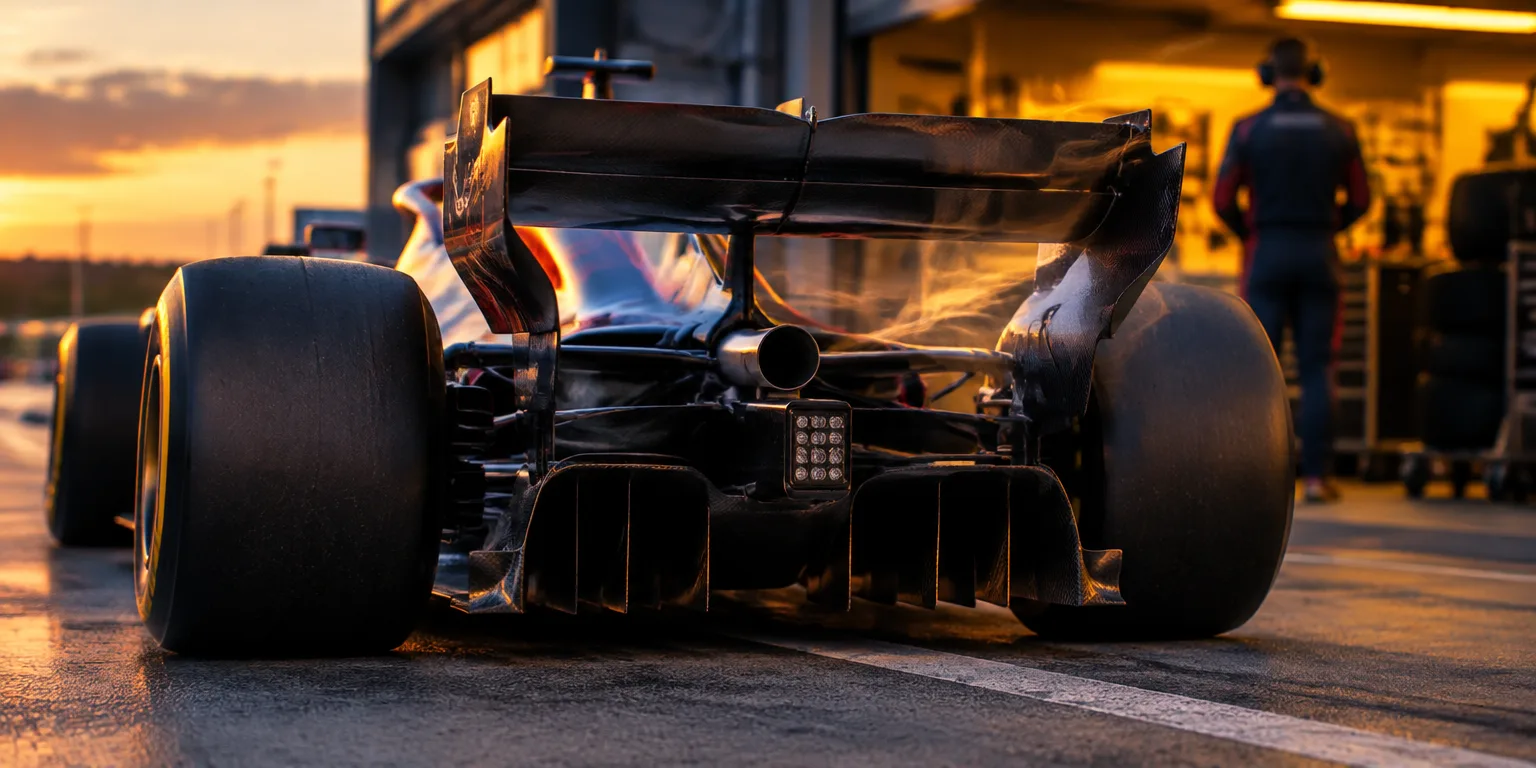
It is primarily an aerodynamic game, in his description, meaning success depends on how air flows over the car. That airflow shapes mechanical grip and tire wear, and teams must also get strategy right, with no weak spot allowed.
You need both the car and the driver, he said, but without a car among the top two, it does not matter who is driving.
Questions people ask
What does aerodynamics actually do for a Formula 1 car?
It manages how air flows over and under the car to create downforce, which presses the car into the track. More efficient downforce means faster cornering and better grip, while also reducing drag on straights. Small shape changes can be worth milliseconds per lap.
Why is tire wear such a big deal in races?
Tires provide grip but degrade with heat, sliding, and poor airflow, so worn tires are slower and force extra pit stops. Teams balance speed against making tires last, since an extra stop can cost 20 seconds or more. Managing wear is often the difference between winning and finishing fourth.
What does race strategy involve besides driving fast?
It mainly means choosing when to pit, which tire type to use, and how to react to safety cars and weather. Teams run models during the race to predict rivals and traffic. A well-timed stop can gain track position even without a faster car.