Exposure therapy cut OCD symptoms by more than half and beat antidepressants
Adding antidepressants to the therapy provided no extra improvement.
 Andrew Huberman · The Science & Treatment of Obsessive Compulsive Disorder (OCD) | Huberman Lab Essentials
For obsessive compulsive disorder, a talk therapy that forces patients to face their fears beat antidepressants in head to head trials, cutting symptom scores from about 25 to 11.
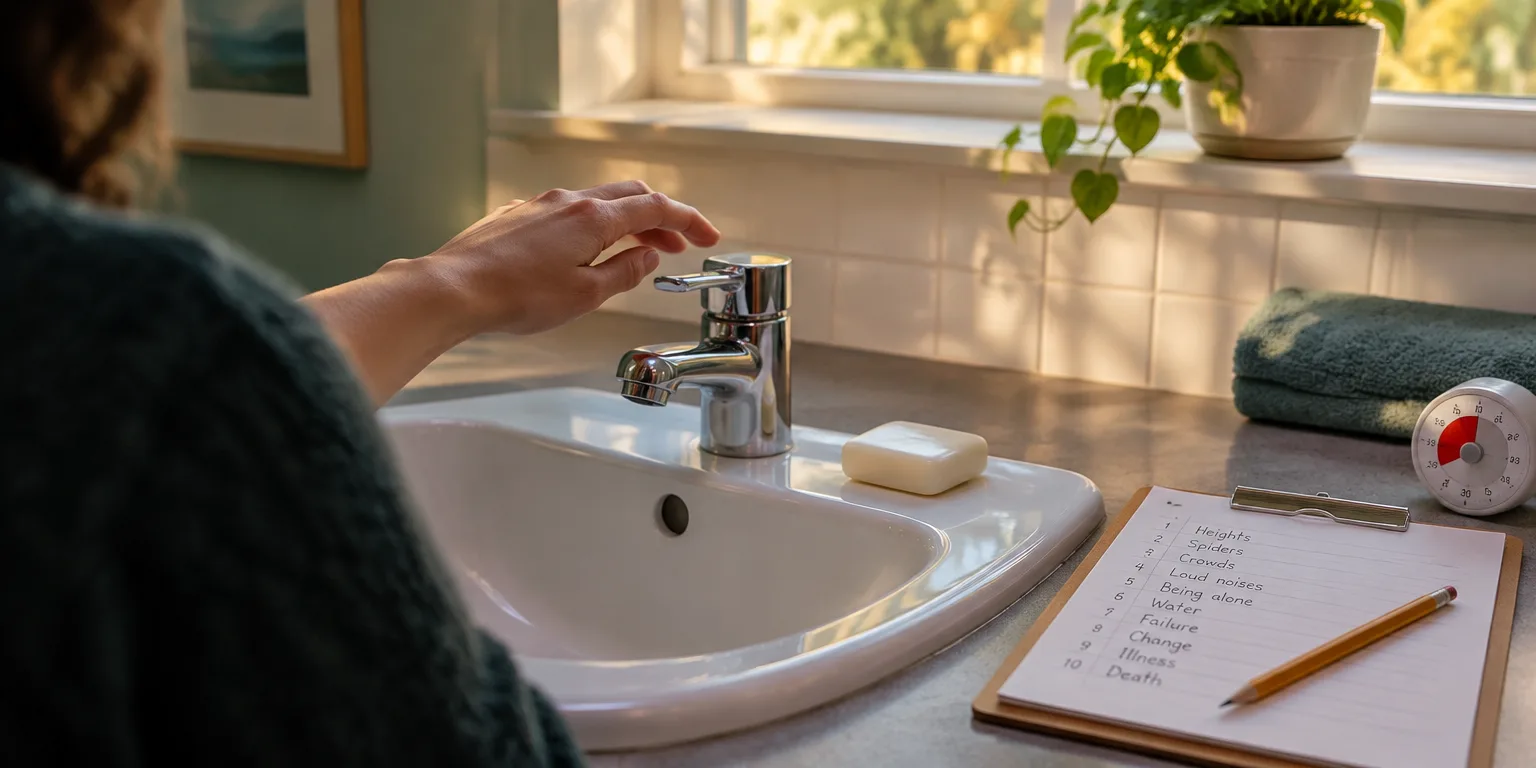
The work comes largely from Dr. Helen Blair Simpson, an M.D. and Ph.D. researcher and clinician at Columbia University who is regarded as a leading authority on OCD. Her protocol starts with two planning sessions, followed by 15 exposure sessions twice a week or more. Patients confront the actual trigger, let anxiety rise, and then are prevented from performing the compulsion, such as washing or checking.
In the comparison, a placebo did little. Drugs called selective serotonin reuptake inhibitors helped, but patients were left with much more severe symptoms than those who got the therapy alone. Combining therapy and drugs added no further benefit, making exposure based therapy the most effective treatment tested.
Questions people ask
What does an exposure session actually involve?
Exposure therapy for OCD usually means confronting a trigger in real life, like touching something that feels contaminated, and then not washing, checking, or repeating. A trained therapist raises the difficulty gradually, and the goal is to learn to tolerate anxiety rather than relieve it. It should only be done with a trained clinician.
Does this mean antidepressants do not work for OCD?
No. Selective serotonin reuptake inhibitors are widely prescribed for OCD and helped significantly in these trials, just less than exposure therapy. Many patients cannot access intensive therapy or cannot tolerate it, so drugs remain an important option. Any start, change, or stop should be managed by a physician.
What does a drop from 25 to 11 feel like in daily life?
Scores refer to a standard symptom checklist where higher means more time consumed, distress, and impairment from obsessions and compulsions. A drop from about 25 to 11 is a move from severe symptoms to mild symptoms. It means fewer intrusive thoughts and much less time spent on rituals.