Face Acids May Peel Skin by Grabbing Its Calcium Glue
Researchers say the likely trick is calcium chelation, which loosens the bonds between cells.
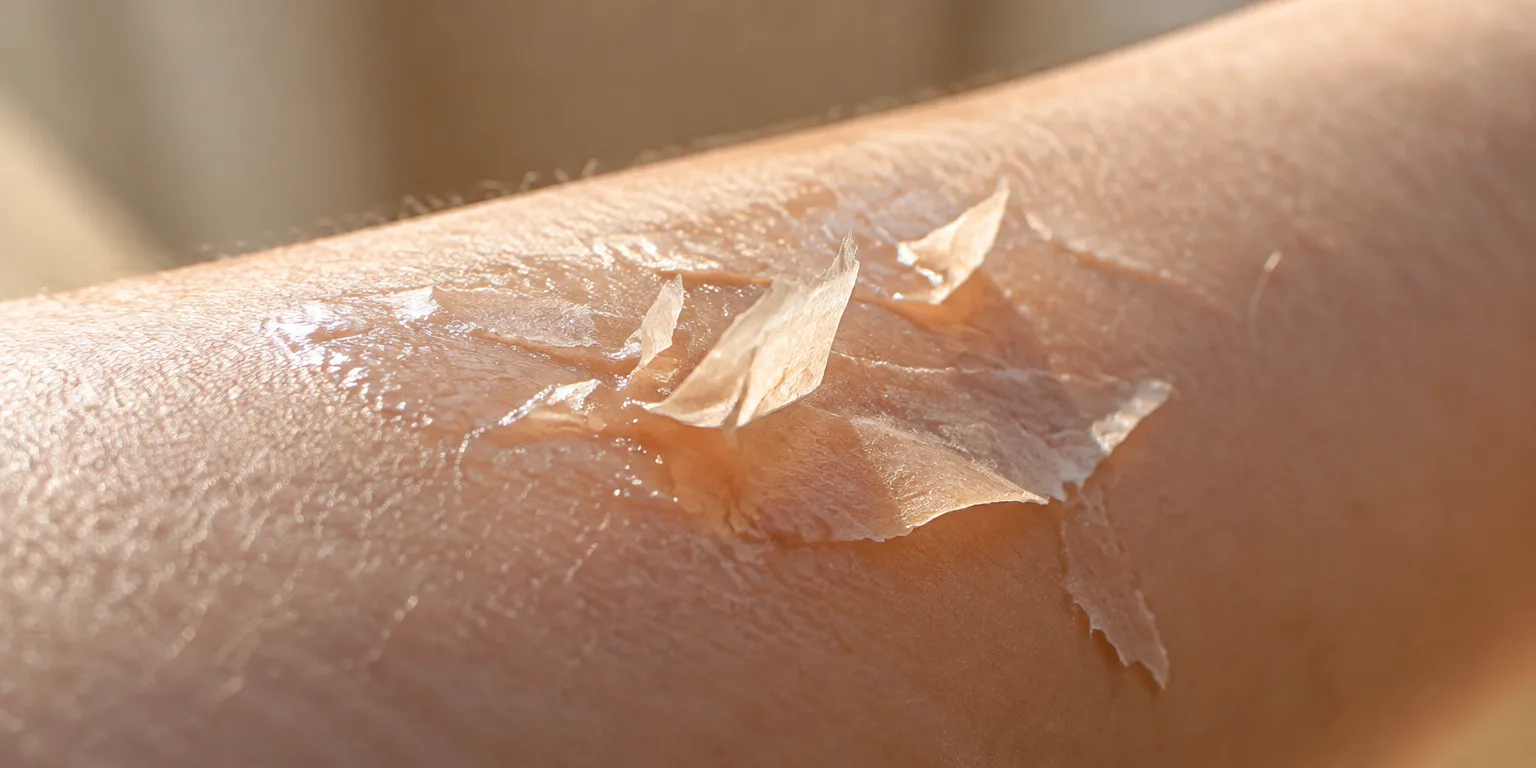
Alpha hydroxy acids do not scrub skin smooth. They loosen it, by weakening the tiny holds that keep surface cells attached so old cells can shed.
The outer layer of skin, the epidermis, is built from cells fastened together by cellular adhesions. Those fastenings give skin its barrier, and they must release on schedule for dead cells to flake away.
Calcium ions help keep that grip firm. When calcium is available to the adhesions, cells stay connected. When it is removed, the connections weaken.
The acids are thought to work by calcium chelation. Chelation is a plain chemical word for grabbing and holding a metal ion, and here the acid molecules grab calcium.
With less calcium supporting the adhesions, the bonds between neighboring cells in the epidermis slacken. The oldest cells can then separate from the surface, a shedding process called desquamation, or exfoliation.
Adam Friedman, a dermatologist at George Washington University, describes this calcium grab as the likely explanation in a primer written with coauthors Savanna I. Vidal and Nikita Menta. It is a proposal, not a settled fact.
If the proposal holds, it explains the central trick of these acids. By grabbing the mineral glue, they speed the normal turnover of the surface and leave newer cells exposed.
Questions people ask
Does putting an acid on my face pull calcium out of my body?
The primer describes only a local action in the epidermis, where the acids weaken adhesions between skin cells. It does not describe calcium being pulled from elsewhere in the body.
Why does normal skin not fall apart all at once?
The article describes weakening of cellular adhesions, not removal of all connections. Shedding is described as facilitated desquamation, meaning surface cells are helped to release.
Do all face acids work exactly the same way?
This calcium explanation was proposed for alpha hydroxy acids, such as glycolic and lactic acids. Other peeling ingredients have additional effects, including oil solubility, moisturizing action, and effects on microbes and inflammation.