False Rumors About Ebola Turn Villagers Against the People Trying to Save Them
In eastern Congo, distrust and viral falsehoods have turned health workers into targets and left families reaching for useless treatments.
 Reuters World News · Israel rival claims, Bolsonaro flees and Mbappe's apology
Last week in eastern Congo, a mob carrying machetes fatally assaulted a local health nurse. The accusation was that she had been spreading Ebola through the water supply.
She was part of an effort to contain an Ebola outbreak in the Democratic Republic of Congo, a severe viral disease that causes fever and bleeding and often kills. But many in the area do not necessarily believe the virus is real, says Jessica Donati, a chief correspondent covering West and Central Africa.
That doubt has a history. Communities in the east have lived through years of conflict, with aid groups arriving and leaving, and many residents are deeply distrustful of outsiders.
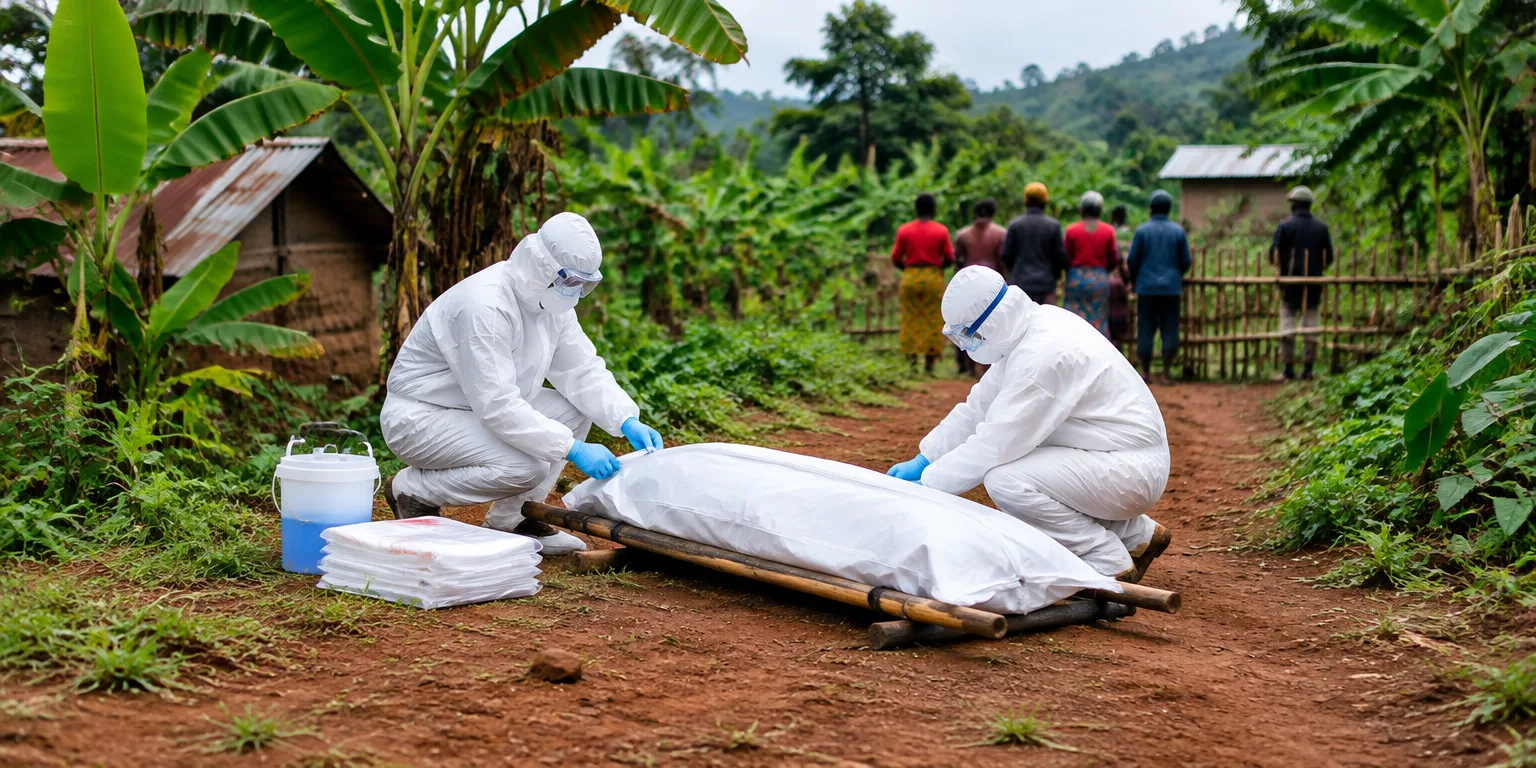
Rumors spreading on social media have filled that gap. The accusation against the nurse is one example, and such misinformation has fueled a wave of attacks on clinics, on vehicles, and on workers trying to carry out safe burials, the careful handling of bodies so that relatives of the dead do not become infected.
In some cases, churches, including very large ones looking to attract more worshippers, are promoting remedies they claim can treat the sickness, Donati says.
The result is that medical teams are fighting two shortages at once. They lack enough medical supplies and testing equipment, and they also lack trust. Resources to combat false claims online are dwindling, even as the false claims keep spreading.
When burial teams cannot work safely, or nurses are afraid to visit villages, the virus has more chances to pass from one person to the next.
Questions people ask
How does Ebola actually spread?
Ebola spreads through direct contact with the blood or other body fluids of a person who is sick or has died from it, not through air or, normally, through drinking water. Early symptoms include fever, headache, and muscle pain, followed by vomiting, diarrhea, and in some cases internal and external bleeding.
Why are funerals so important in stopping Ebola?
The body of someone who died from Ebola still carries large amounts of virus, so washing, touching, or kissing the dead during traditional funerals can infect mourners. Safe burial teams wear protective equipment, disinfect the body and belongings, and place the body in a sealed bag to break that chain of infection.
Is there a real vaccine or treatment for Ebola?
Yes. There is an approved vaccine that has been used to protect contacts of patients in Congo and elsewhere, and two antibody treatments that greatly improve survival when given early. They work only against Ebola, so prayer, herbs, or other unproven cures do not substitute for medical care and isolation.