Faster Travel Let People Live Farther From Shops and Work
When walking was the main way to travel, living near markets mattered more.
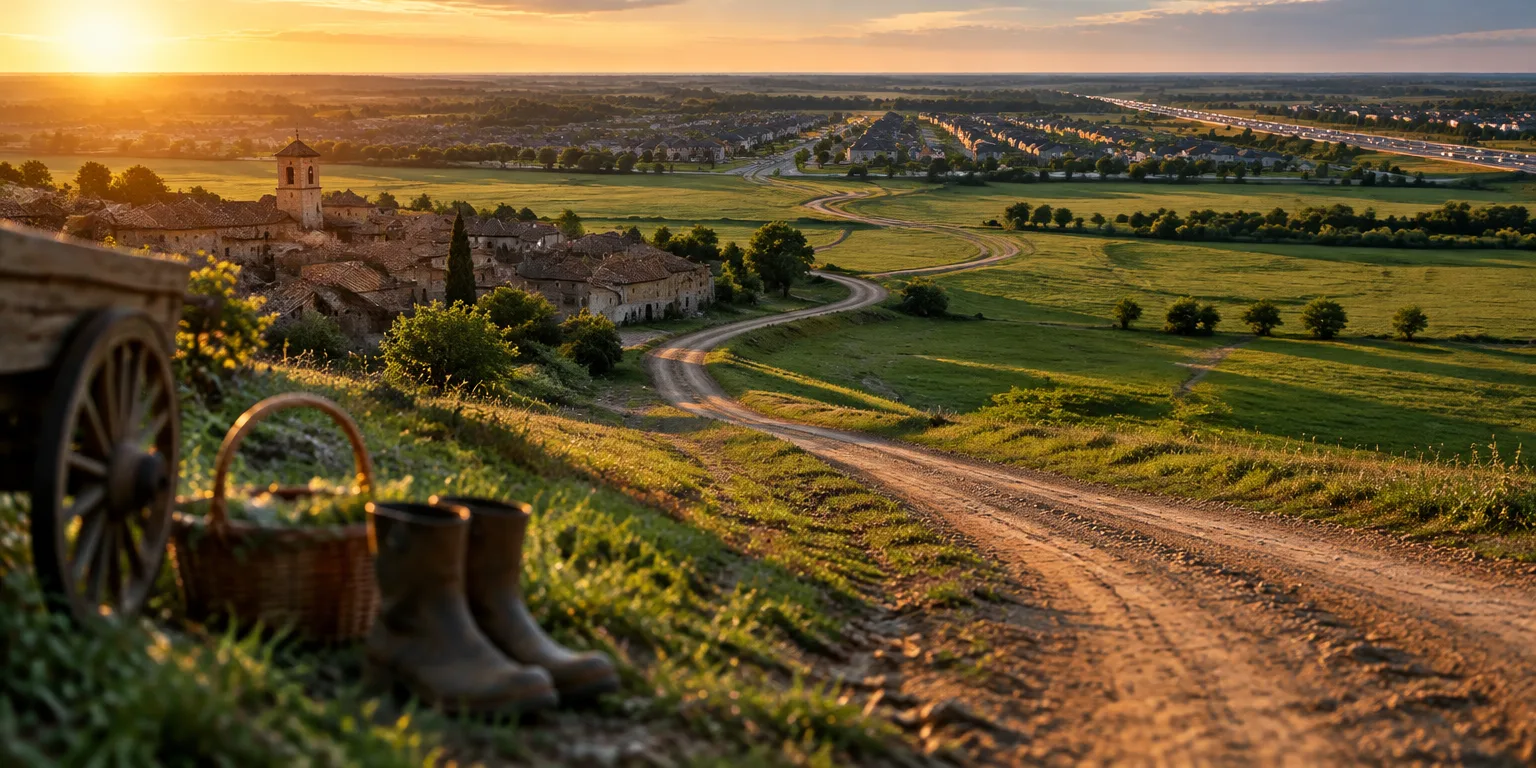
 Wendover Productions · Why Cities Exist
Two hundred years ago, an hour of travel meant about three miles on foot, while today an hour of driving can cover about 70 miles.
At that earlier time, walking was the primary way to get around, and nearly all goods had to be bought in person at physical marketplaces. People had to live near markets because walking far took too long.
When an hour can cover 70 miles instead of three, the push to live close to marketplaces is lower than when walking was the main way to travel.
That greater reach helped make living farther from shops and work practical, which is part of why suburban living is modern.
Questions people ask
When did suburbs actually start to grow?
Streetcars and commuter railroads allowed the first streetcar suburbs in the late 1800s, and cars and highways caused much larger growth after World War II. In the United States, federal highway building, inexpensive land, and rising car ownership made long commutes practical for millions of families.
How far do suburban commuters travel today?
In the United States, the average one-way commute is about 27 minutes, often covering 10 to 15 miles by car. Many suburban workers drive 30 miles or more each way, a distance that would have taken an entire day on foot two centuries ago.
Did people ever live far from markets before cars?
Mostly farmers did, and they paid for it in time and effort. They grew much of their own food, walked long distances to town, or relied on horses, wagons, and boats. For everyone else, living near work and shops saved hours every week.