Fighting near a narrow strait matters because it is a key route for world shipping
Yemen's government is trying to push back Houthi pressure near the waterway as Syria weighs helping Saudi Arabia.
 Reuters World News · Saudi airport attacks, Democrats trans split and botched execution
Saudi Arabia says attacks on two airports killed three people and wounded dozens, as fighting escalated between the Houthis, an armed group based in Yemen and backed by Iran, and the Yemeni government backed by Saudi Arabia.
That government started its effort days ago to take back territory the Houthis gained over 12 years of war. A central aim is to reduce Houthi pressure around the Bab el-Mandeb Strait, an important waterway for commercial vessels that came within Houthi reach as the wider war involving the United States, Israel, and Iran spread.
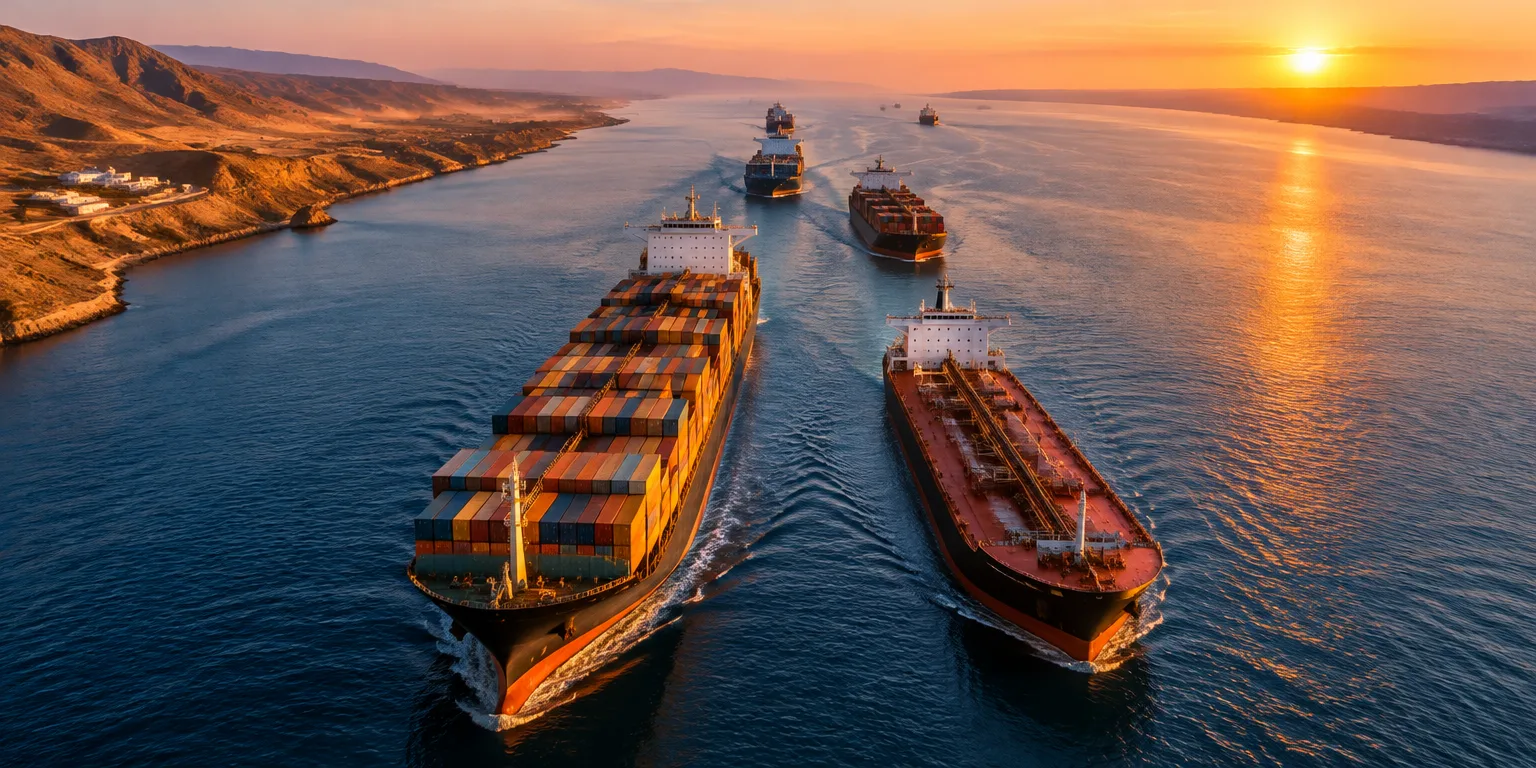
The strait sits between Yemen and Africa and links the Indian Ocean to the Red Sea. Ships carrying fuel, food, cars, and containers crowd through the same narrow lane on their way toward the Suez Canal.
Syria is weighing military help for Saudi Arabia, according to sources. The options under discussion are help defending Saudi territory from strikes, or troops fighting alongside Yemeni forces backed by Saudi Arabia against the Houthis.
When the route is threatened, many ships avoid it by sailing around the southern tip of Africa instead. That detour adds thousands of miles and higher fuel and insurance costs, so a coastal fight can raise prices for goods that never stop in Yemen.
Questions people ask
What kinds of cargo normally pass through that route?
Many vessels that use the Red Sea route carry oil and liquefied natural gas, plus container ships with clothes, electronics, cars, and grain. Tankers sailing north toward Europe and the Mediterranean are especially common. Disruption therefore affects both energy supplies and everyday imports.
How much longer is the trip around Africa?
Sailing around the Cape of Good Hope at the southern tip of Africa can add roughly 3,000 to 4,000 nautical miles compared with the Suez Canal route. For many ships, that means an extra week or more at sea. The added time brings more fuel use, crew costs, and insurance charges.
What form could Syrian help take?
The options described are either defensive support to help protect Saudi Arabia from attacks, or Syrian forces joining offensive operations with Yemeni troops backed by Saudi Arabia. No decision has been announced. Sources cited in the report say both ideas are under consideration.