Fixed Prices Began As A Fairness Rule
Owens says Quaker markets rejected haggling so rich and poor would pay the same, and she credits a Philadelphia merchant with putting that one price on a tag.
 This Past Weekend w/ Theo Von · #693 - Consumer Advocate Lindsay Owens
Before fixed prices, shoppers haggled.
Haggling meant two people could pay different prices for the same item. Consumer advocate Lindsay Owens says Quakers, a Christian group committed to equality, saw that as unfair.
She says they believed all people were created equal under God, so everyone should pay the same at the checkout. In the late 1800s, their markets stopped haggling and charged one fixed price.
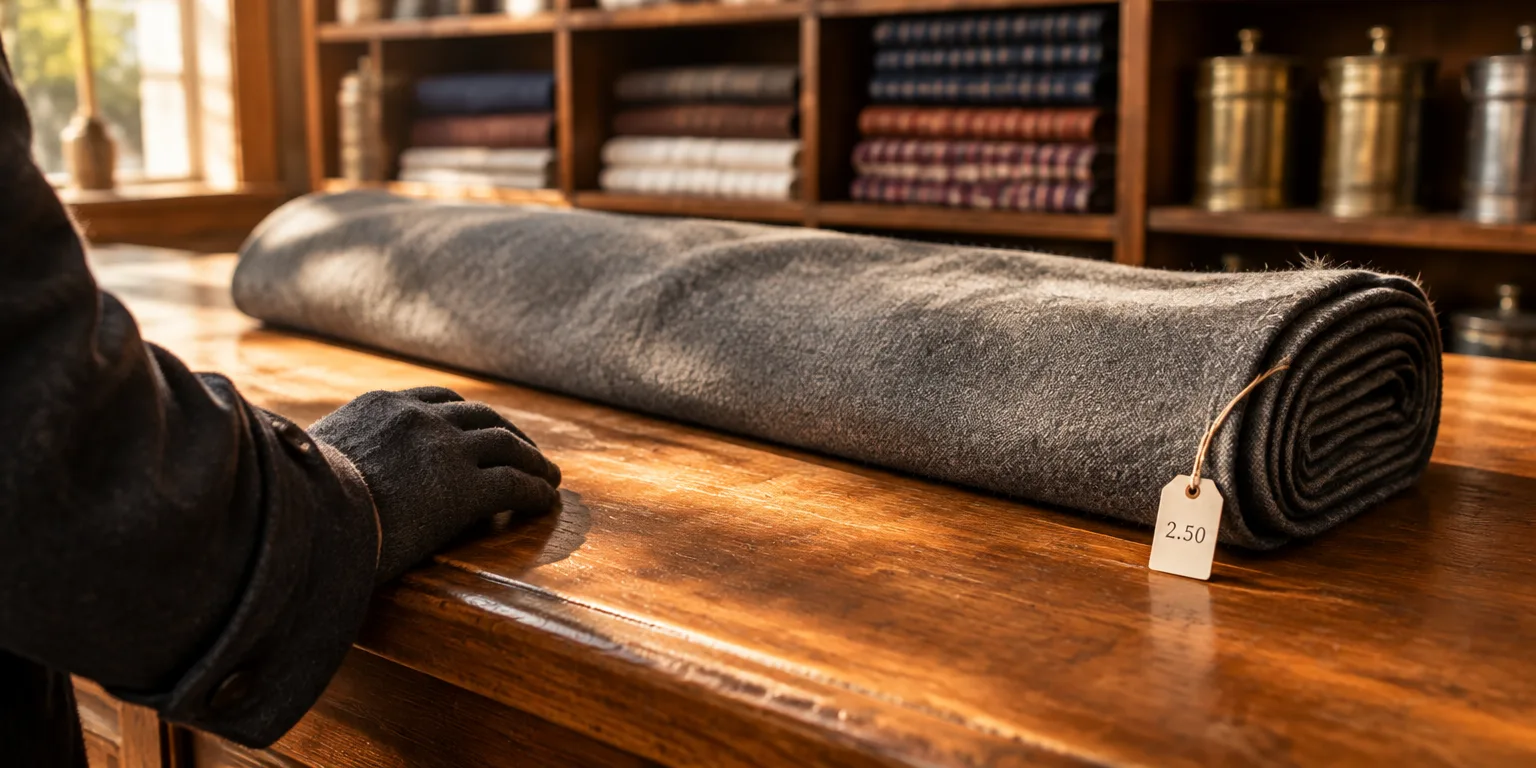
She credits John Wanamaker, a Philadelphia merchant, with putting that fixed price on a tag at his store, Oak Hall at Sixth and Market Streets. She says he was the first to do it.
The store also let shoppers return goods they did not like, then a new idea. Shoppers knew the cost before they asked, and they were not stuck if the goods disappointed.
She says that predictability helped families on a budget know what groceries would cost week to week. If money was tight, a shopper could check a couple of stores to get the lowest price, trusting the numbers would hold.
In her account, that is why fixed pricing was about more than convenience. It enabled fairness and predictability, so rich and poor shoppers paid the same.
Questions people ask
Why would haggling hurt poorer shoppers more?
Haggling rewards experience, confidence, and time. A seller can size up what a buyer will accept, so someone who is rushed, new to the market, or worried about seeming rude often ends up paying more.
Did one man really invent the price tag?
Wanamaker is widely credited in the United States with popularizing the price tag at Oak Hall and his later department store. Quaker shopkeepers used fixed prices earlier as a religious principle, and other merchants adopted the practice as department stores spread.
What did allowing returns have to do with fixed prices?
Both reduced the risk of buying. A posted price removed the risk of being charged extra, and a return policy removed the risk of being stuck with something faulty. Together they told shoppers the store would treat them the same and stand behind the goods.