Fixing old buildings is becoming construction's defining trend
Most American homes are past 30, the age when roofs, furnaces, and siding often need replacing.
 research.contrary.com · QXO: A Vertical AI Case Study
The United States was short more than 4 million homes in 2024. In August 2023, sales of newly built homes had fallen 9% from a year earlier, despite that clear undersupply. That mismatch points to what comes next in housing. In my reading, it will be less about subdivisions rising from empty fields, and more about work on neighborhoods that already exist.
Construction slowed in the 2010s, then a pandemic era homebuying surge left supply depleted. With local bureaucracy and other constraints limiting new building, updating the homes America already has looks like the more workable answer. The homes are also getting old.
As of 2024, the typical American home had passed age 40, while typical business buildings were older still, at 55. Houses that are 30 years or older now make up the majority of the housing stock. That matters because most of the money spent on a building comes after it is first built, on maintenance, retrofits, and large replacements made over decades of use and before eventual demolition.
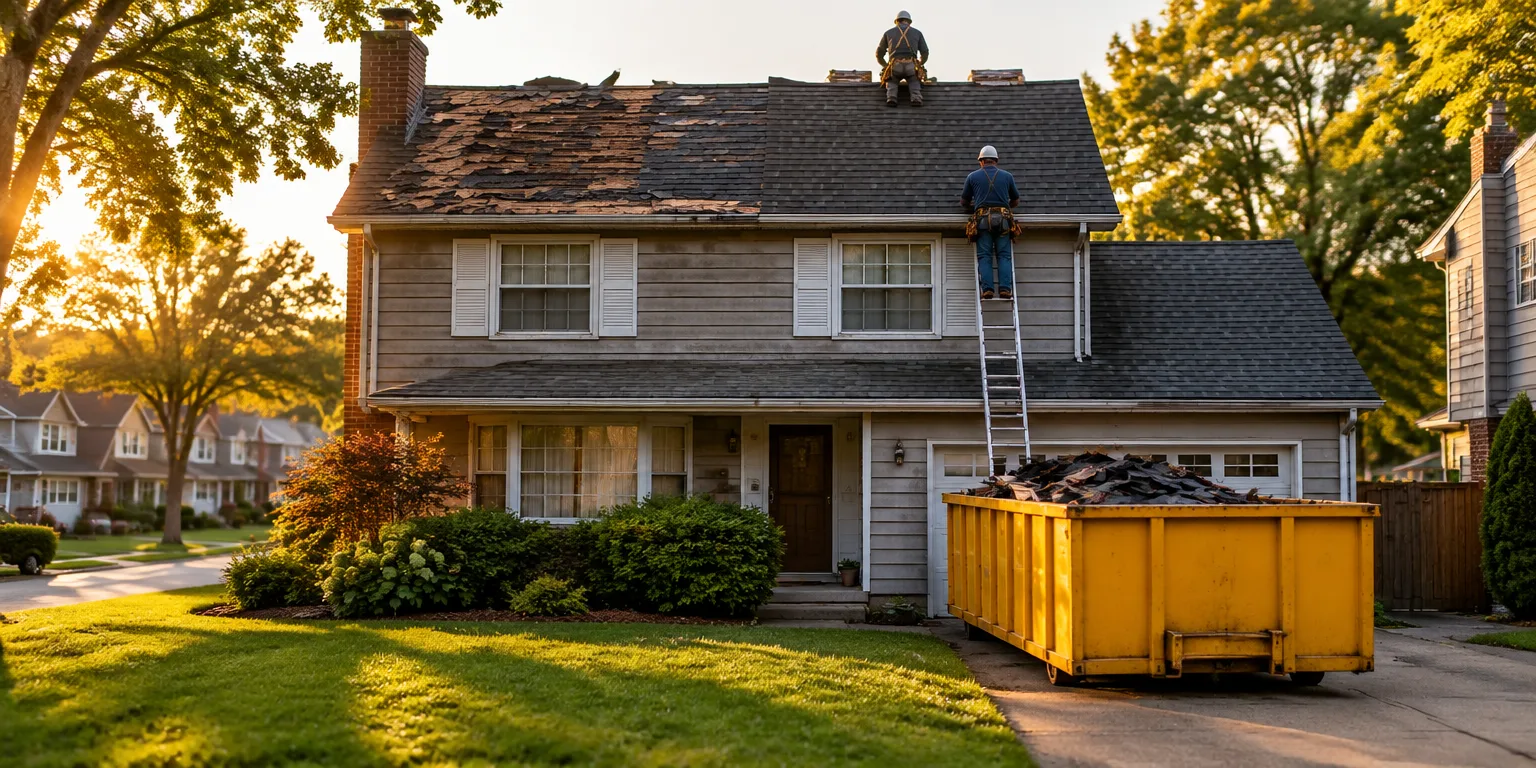
Once a building passes 30, it often needs roof replacement, heating and cooling upgrades, siding work, and repairs to the outer shell. Roughly four-fifths of roofing demand involves putting a new roof on an older building, work tied to upkeep needs rather than linked to new building.
With limits on new building and so many older buildings, I expect renovation and repair to be the defining trend of the coming decade.
Questions people ask
Why not just build millions of new homes?
Zoning rules, lengthy approvals, shortages of land near jobs, high interest rates, and labor constraints all slow new building. Repairing an existing home usually needs fewer permits, less land, and less financing, so it can happen even when new subdivisions cannot.
How long does a roof actually last?
Most asphalt shingle roofs, the most common type in the U.S., last about 20 to 30 years depending on climate, installation, and ventilation. That is why a neighborhood built in the 1980s or 1990s can need many replacements around the same time.
What else breaks when a house gets old?
Water heaters, furnaces and air conditioners, pipes, wiring, windows, and siding all have limited lives. After 30 years, owners often face several of those bills in the same decade, which is why maintenance spending rises sharply for older homes.