Food Videos Were a Poor Place to Sell a Calorie Tracker
Viewers wanted to enjoy the mac and cheese, not count it. A casual scan in a daily vlog converted far better.
 The Superwall Podcast · Alfie Dickens - Meet The Marketing Genius Behind Cal AI
Food videos converted poorly for the calorie-tracking app Cal AI. That was the surprise for Alfie Dickens, the marketer who ran influencer growth for the app. Recipe videos, cooking videos, and mukbangs really did not do well, he said, even though food viewers seemed like the obvious audience.
His read was that people want to sit on the couch "watching these really good, good-looking food videos and not have to worry about what, how many calories are in that mac and cheese or something," said Dickens. Videos featuring healthy meals performed somewhat better but still converted weakly.
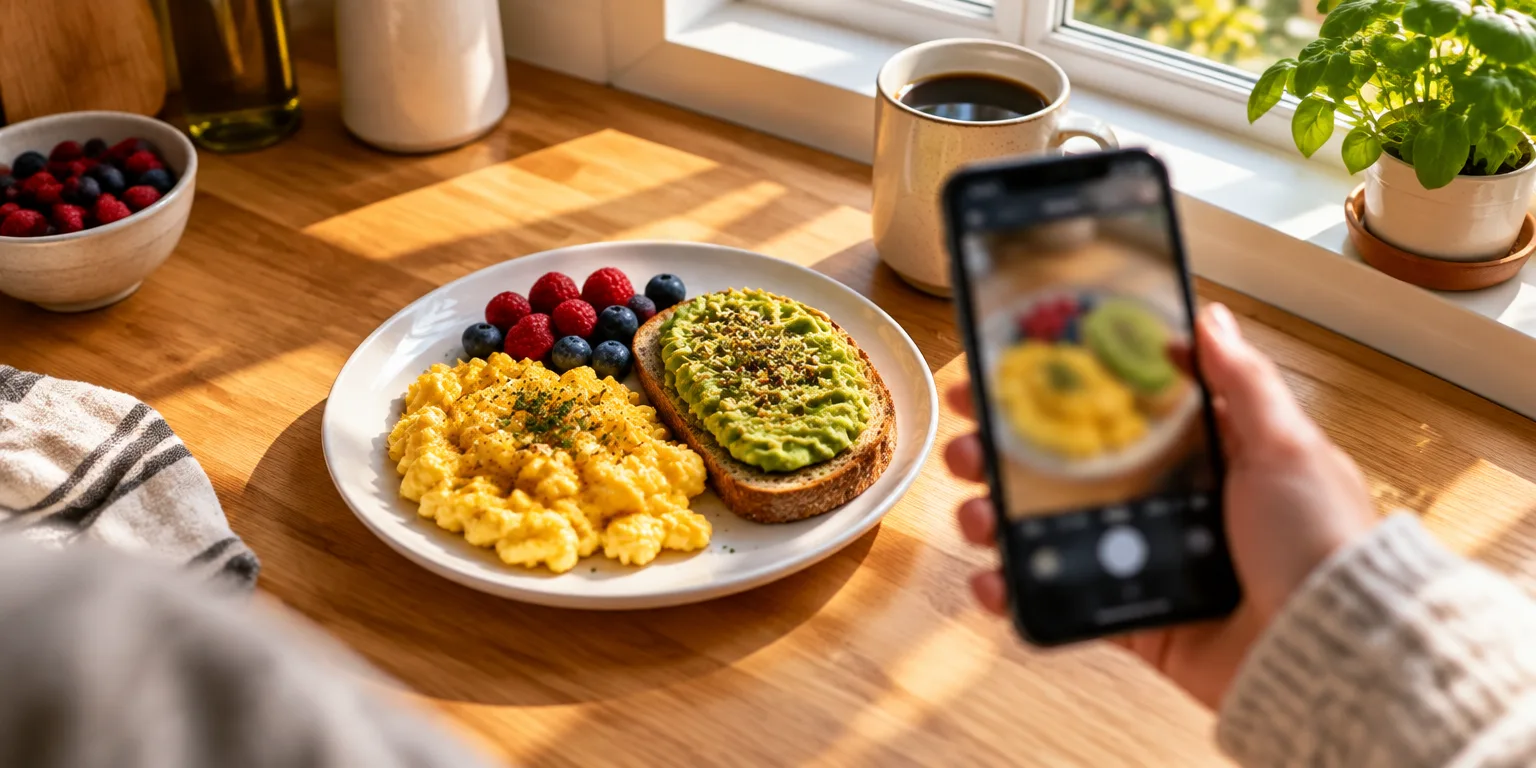
What worked was big creators filming day-in-the-life vlogs who would seamlessly show the app. One example he gave was a creator showing breakfast and quickly scanning it, without necessarily mentioning the app. They often tried to "get the app inside the first 15 seconds," Dickens said. Jessie of @oneofthemormonwives was one example, generating "a couple of hundred promo code uses" from a video, and sometimes thousands, Dickens said. They aimed to have creators post four videos a month, so viewers might see the app four times, which Dickens said would ideally perform well because people copy big influencers anyway.
Questions people ask
What does Cal AI actually do?
Cal AI lets users photograph a meal to get an estimate of its calories, instead of typing every ingredient into a log by hand. Manual logging is tedious, which can make tracking hard to keep up. The photo makes tracking faster and easier to stick with, even if the number is approximate.
What is a mukbang?
A mukbang is a video where a host eats a large meal on camera, often talking with viewers while eating. The format started in South Korea and became popular for the sensory pleasure of watching someone enjoy rich food. That enjoyment is why a calorie reminder can feel unwelcome.
Why would just seeing an app in a vlog convince anyone to download it?
People follow big lifestyle creators because they like and trust them, and they often copy habits they see. Seeing a product used casually across several videos in a month can matter more than a direct pitch. Marketers call this repeated exposure and social proof.