For a Calm Family Dog, Pick the Middle Puppy of Any Breed
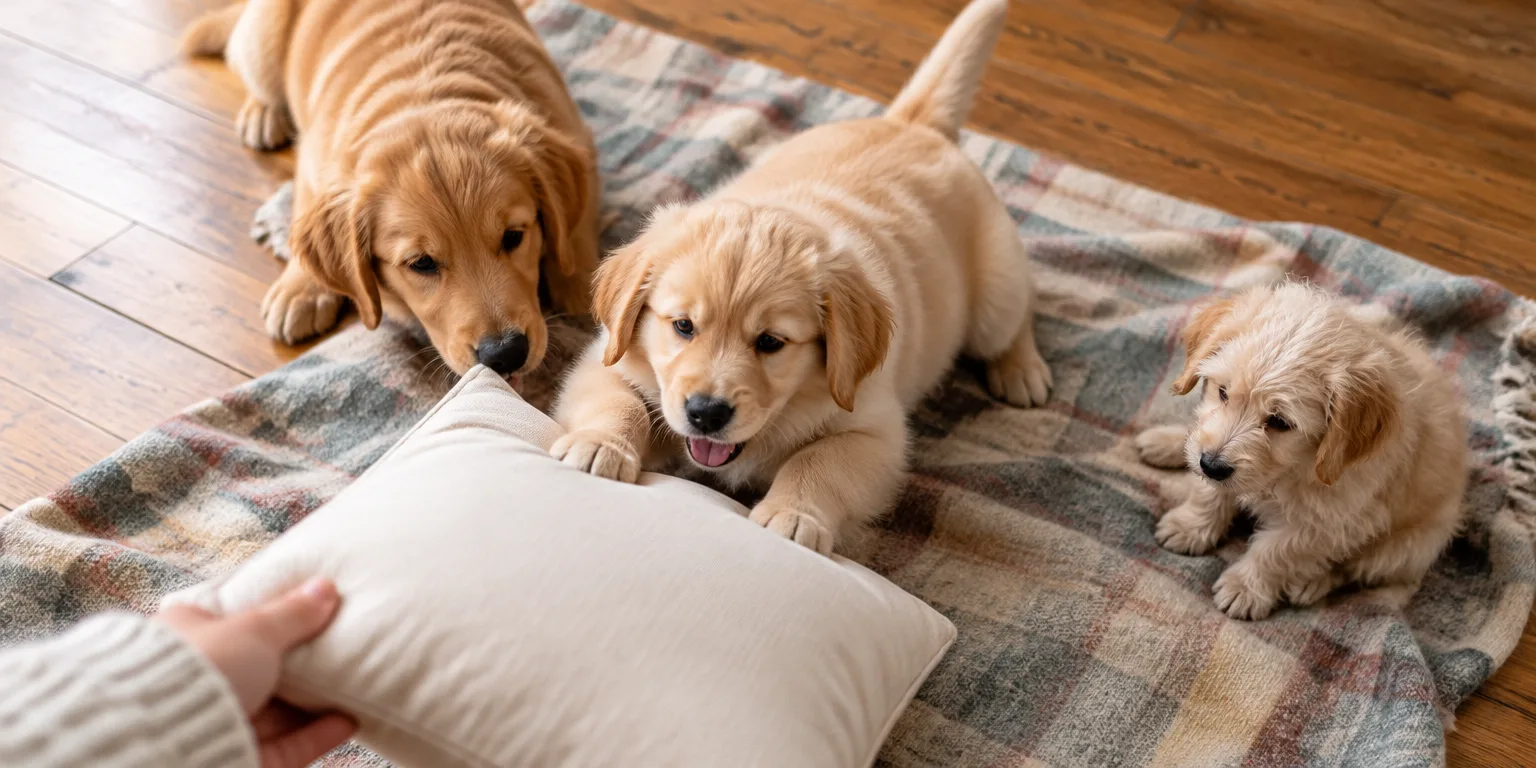
Stay quiet, set down a pillow, and watch: the lead puppy pushes in, the middle plays, and the back hangs back.
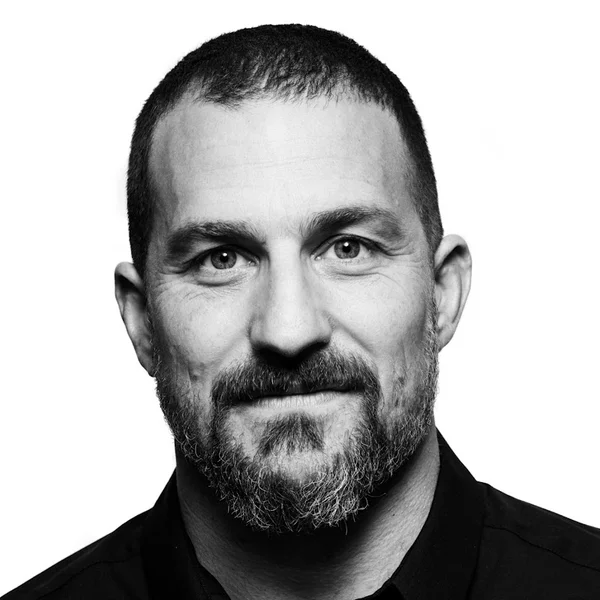 Andrew Huberman · Raising a Dog & Mastering Calm Assertive Energy | Cesar Millan
Cesar Millan, the dog trainer who rehabilitates difficult dogs, says a puppy's birth position in the litter matters more than the breed for finding an easy family dog. Choose a middle of the pack puppy, he says, and you get a natural follower who is happy and easy to guide.
Millan divides every litter into three temperaments. The front puppy is confident and pushy, built to give direction and protection. The middle puppy is happy-go-lucky, what Millan calls the HR of the family of the pack. The back puppy is sensitive and shy, and the easiest to live with if handled calmly.
You can read those jobs at the food bowl, he says. The front puppy is often the biggest one, the one shoving brothers and sisters away from the mother and practicing dominance early. The middle puppy gets in second and plays. The back puppy waits, hangs back, and watches.
If the mother is in another room, he offers a simple test. Walk in where the puppies are, stay quiet, and set down something they have never seen, even a pillow. The more confident puppy will come over to investigate first. The middle puppy will come over and play. The back puppy will not get close to anything new. Millan claims the response is hardwired, which is why he says it can guarantee the result you want.
Millan puts it this way: "I want a middle of the pack border collie. I want a middle of the pack golden retriever. I want a middle of the pack pitbull." You can have it, he says, because that puppy was born a natural follower and is easier to tell what to do. A front puppy, even a Chihuahua, is born with the disposition to give direction and protection, so its owner needs more knowledge. Millan keeps middles and backs himself, and says he would need to find a front dog a job, like his example of one officer and one dog doing border patrol. A back dog needs gentle steadiness, or fear takes over, and a middle dog needs calm limits, or too much excitement turns happy into hyper.
Questions people ask
Does this mean breed does not matter at all?
No. Breed affects size, coat, exercise needs, and instincts like herding or guarding, but Millan argues temperament position affects trainability more. A middle puppy is still a Border Collie or a pit bull, with that breed's energy and needs, just a more cooperative version of it.
What should I ask a breeder who already sorted the litter?
Breeders often know. Millan says many mark the differences with colored ribbons, calling them pick of the litter, pet quality, or run of the litter. You can ask which puppy pushes forward, which plays in the middle, and which hangs back.
What if I actually want a protective or working dog?
Then do not take the middle. A front dog can thrive with an experienced owner who provides firm structure, heavy exercise, and a clear job to do. Millan keeps middles and backs himself, and says he would need to find a front dog a job, like border patrol.