For many with OCD, therapy helps by holding anxiety at its peak, not breathing it away
Patients climb toward their worst fear, then are asked not to perform the ritual that normally relieves it.

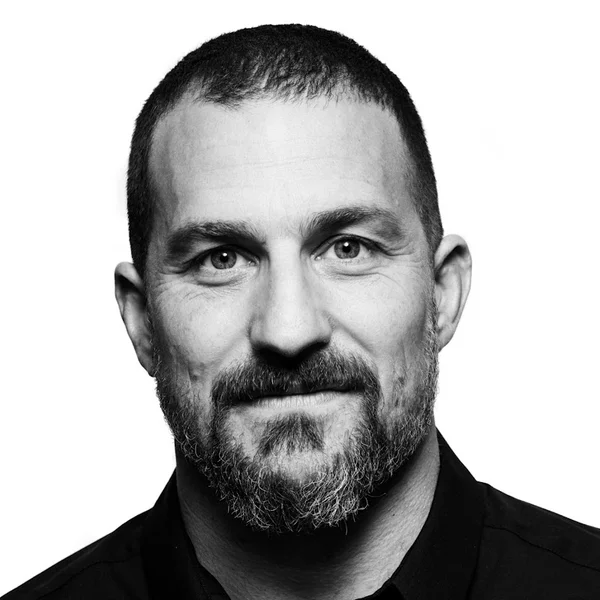 Andrew Huberman · The Science & Treatment of Obsessive Compulsive Disorder (OCD) | Huberman Lab Essentials
In obsessive compulsive disorder, an intrusive thought sparks anxiety, and a ritual brings brief relief. A person fears contamination and washes his hands, or fears something terrible will happen and checks the lock again. That relief teaches the brain that the ritual was necessary.
For many people, though not everyone, a powerful treatment works by reversing the usual advice on calming down. In exposure-based cognitive behavioral therapy, the goal is to help patients tolerate anxiety rather than relieve it. That is the opposite of breathing techniques, visualization, self-talk, or social support used to lessen anxiety.
It works in steps, in order. First, the therapist helps the patient name the precise fear behind the obsession, what exactly would happen if the ritual were not performed. Then they climb a ladder toward it, discussing more and more difficult triggers so the body's alarm response, racing heart, tension, and dread, rises higher and higher.
At the top of that climb comes the interruption. A person whose compulsion is handwashing is exposed to what terrifies him and then does not wash. A person who avoids turning left because of a feared outcome is asked to resist that avoidance and turn left, while staying with the discomfort.
The point is not endurance for its own sake. By feeling intense anxiety without performing the compulsion, the person is taught that they can feel anxious without having to carry out the ritual.
This is not a do-it-yourself exercise or something to try on a friend. It is carried out gradually and in a supportive setting by licensed clinicians with specific training, because it deliberately brings a person close to what he fears most.
Questions people ask
Does that mean you start with the scariest thing?
No. When done correctly with a clinician, the goal is to raise anxiety gradually through a hierarchy of triggers, not to flood someone all at once. Starting too high can be overwhelming and cause people to quit treatment.
Can you use deep breathing to get through the exposure?
Not during the exercise itself. Calming tools have their place in life, but using them to escape the exposure would defeat the purpose. The learning happens when the brain experiences high anxiety followed by no ritual and no disaster.
What is the difference between an obsession and a compulsion?
In OCD, obsession means an unwanted intrusive thought or image, and compulsion means an action or mental routine done to relieve the anxiety it causes. Many intrusive thoughts are normal, but OCD involves distress, repetition, and time lost to the rituals.