Four-year-olds are sometimes better than college students at finding unlikely solutions
Young children learn like scientists, building theories and running experiments to work out cause and effect.
 The Brainwaves Video Anthology · Alison Gopnik - The Amazing Minds of Very Young Children
In some cases, give four-year-olds and college undergraduates a problem with an unusual or unlikely solution, where the answer most adults would dismiss turns out to be right, and the four-year-olds are more likely to find it.
That is the result reported by Alison Gopnik, a Berkeley psychologist and philosopher who studies how very young children learn. Gopnik says children up to age five are "the best learners in the universe," picking up everyday physics, other people, and language at remarkable speed, though she adds researchers still do not really know how they learn so much so quickly.
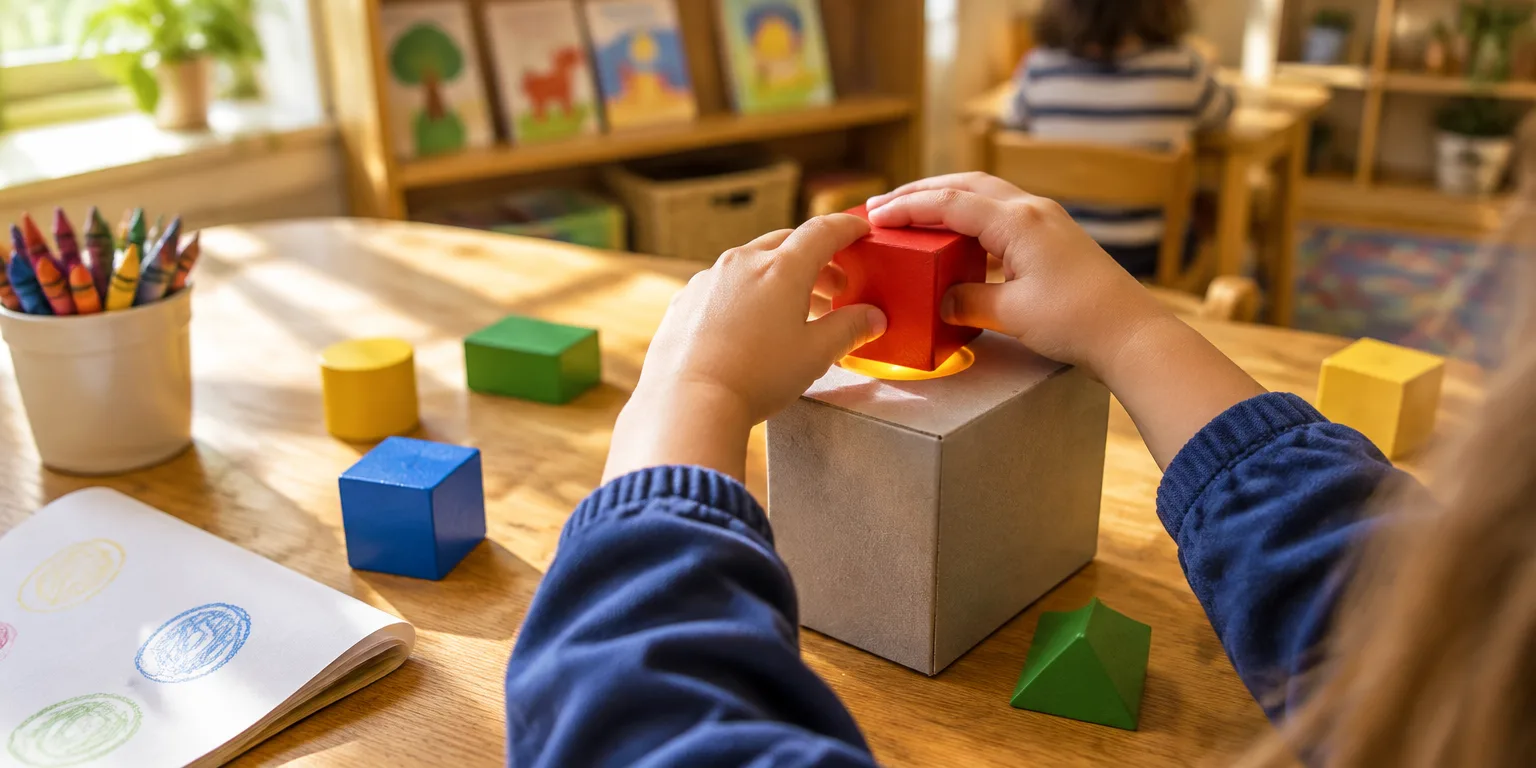
In her lab, she found that children learn much the way adult scientists do. They build everyday theories about the world, and they run experiments, which adults call getting into everything. They can also take complex statistical evidence and use it to infer cause and effect, one of the deep pillars of science.
In some cases, she says, children are better learners than adults. She thinks this is because children are designed for learning.
Questions people ask
Does this mean four-year-olds are smarter than college students?
No. Adults know much more and are better at using what they know to solve familiar problems quickly. The advantage for children is narrow: when the right answer is unusual, adults tend to overlook it because they favor likely explanations they have learned from experience.
How do young children find solutions adults miss?
They test possibilities through play and pay close attention to patterns. In lab studies, children watch which events go together and use that statistical evidence to infer cause and effect, rather than relying on prior assumptions about what should work.
Why would being open to unlikely answers be useful?
It becomes a strength in childhood because young children do not have to feed themselves, make major decisions, or act efficiently. That protected period lets them explore widely first, and adults can later use what was learned early to solve problems.