Fractile Raises $720 Million at $7 Billion Valuation Before Shipping a Chip
The funding arrived before the hardware, leaving performance and deployment plans unproven.
 venturecapitaltracker.com · Latest VC Investment Feed |… — Venture Capital Tracker
Fractile, a startup developing computer chips for artificial intelligence, confirmed on Nov. 11 that it raised $720 million in Series C funding at a reported $7 billion valuation, Reuters reported.
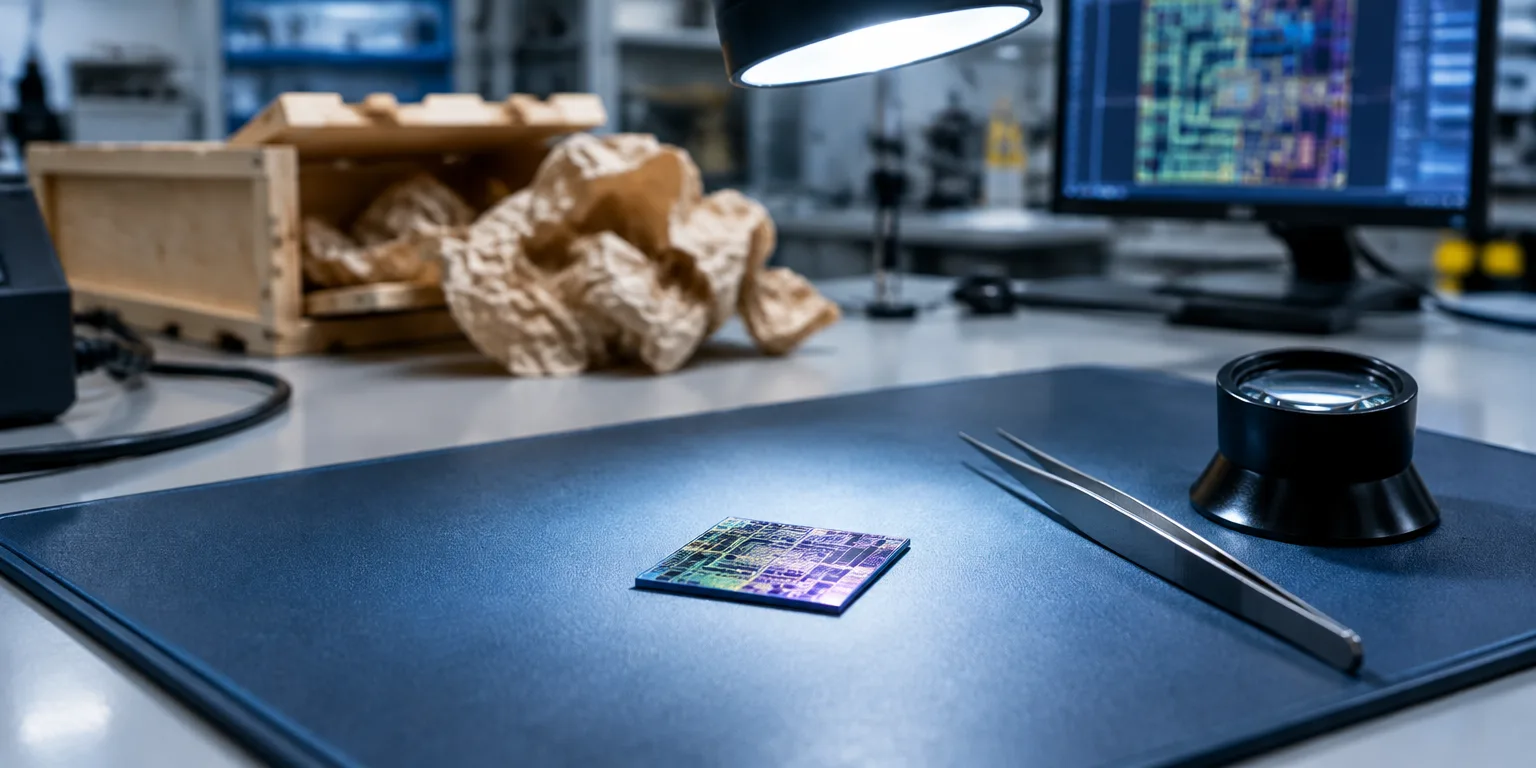
The large sum arrived before the hardware: the company's first production chip has not shipped.
An AI chip is a specialized processor built to handle the heavy calculations behind AI software. The reporting did not give details of Fractile's design beyond that description.
The round included Thrive Capital, Founders Fund, Lightspeed, and Redpoint, along with funding from the United Kingdom's Sovereign AI program and the British Business Bank.
Whether the $7 billion figure is measured before or after the new money was added was not specified. The amounts from the two British sovereign backers were not disclosed, only that each exceeded a threshold set in pounds.
The reporting also referred to claims of 10-fold improvement and to deployments in 2027 without specifying what was being compared or who made the claim. Both remain forward looking, so the next thing to watch is whether the hardware ships and performs as promised.
Questions people ask
What does a $7 billion valuation actually mean here?
Valuation is the total estimated worth placed on a private company in a funding round. Pre-money means the value before the new cash is added, while post-money includes it, so the same headline can imply different ownership stakes.
Why is the U.K. government investing in a chip startup?
Governments use sovereign funds to back technologies they consider strategically important, in this case AI computing capacity in the U.K. The investments sit alongside private venture capital rather than replacing it.
Why would a startup need $720 million before shipping anything?
Designing, testing, and manufacturing advanced chips is unusually expensive, requiring specialized engineers, software, and factory capacity. Startups often raise hundreds of millions of dollars years before first revenue to pay for those steps.