Fresh grapes are in stores all year because four regions take turns harvesting them
Unlike cookies, grapes cannot be made to order, so the supply depends on a hemisphere-wide relay of short harvests.
 Wendover Productions · The Incredible Logistics of Grocery Stores
Walk into an American supermarket in February and there will be fresh grapes. That is strange, because no vineyard near you is producing them.
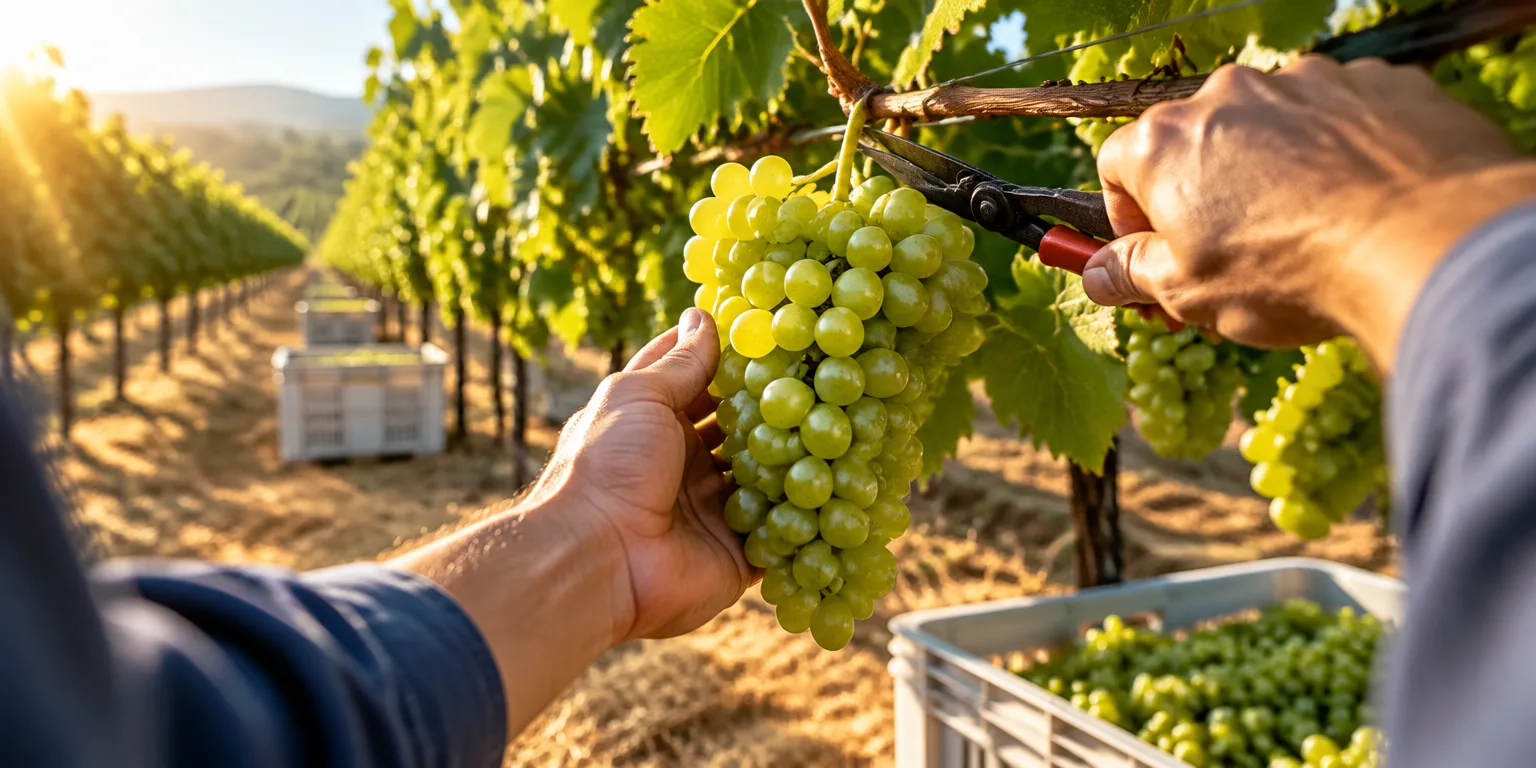
Table grapes, the kind eaten fresh rather than made into wine or raisins, work differently from packaged cookies. Cookies keep a long time and come from large manufacturers with factories in many places. Growers decide how many vines to plant or pull out years before the fruit reaches stores, so a sudden craving cannot create more grapes. Grapes also do not ripen off the vine, so each vineyard must be picked when the fruit is ready to eat, a window of only one or two weeks.
Stores stay stocked because harvests in different places are staggered to follow one another through the year.
Late summer is the easy stretch, when California supplies most of the grapes. California's Central Valley, a broad farming region in the middle of the state, grows most of the nation's fresh eating grapes. Its natural harvest runs from mid-August to late September. Grape types bred to ripen sooner push picking back into July, and a late-ripening grape variety called Autumn King pushes it forward into November. Together that creates roughly four months when California provides most of the grapes Americans buy.
When California finishes, Peru starts. Because Peru lies close to the equator, its harvest begins in early December and lasts until mid-February. Then Chile, with a more seasonal climate, takes over and keeps shipping through May, using early and late ripening types to stretch its season.
That leaves late spring. Farms in California's Imperial and Coachella valleys, two warm areas in the southern part of the state, and in Mexico, grow grapes timed to fill the spring gap. Their warm weather would let them grow at many times of year, but they aim for those spring months and ship until mid-July, when the Central Valley starts again.
The supply works because each region's short picking season is timed to begin as the last one ends.
Questions people ask
Why don't grapes keep ripening after they are picked?
Most fruit ripens because it releases a plant gas called ethylene, but table grapes produce very little of it after harvest. Once cut from the vine, their sugar level stays fixed, so pickers must wait until the sugar and flavor are right. That is why the harvest window is so tight.
How do grapes from Peru and Chile get here without spoiling?
They travel mostly by refrigerated ship, kept just above freezing with high humidity to slow decay. The trip from South America to U.S. ports typically takes one to three weeks, which table grapes can survive if they are cooled quickly after picking. Faster but costlier air freight is used only for very early season or highly perishable fruit.
Why do supermarket grapes often taste the same year-round?
Stores favor a small number of sturdy, seedless varieties bred to ship well and to produce predictable sugar levels in different climates. Growers in each region plant early and late maturing versions of the same style of grape. That consistency helps logistics, though it means less flavor diversity than a local farm stand in harvest season.