Frustration Is How Your Adult Brain Learns
The same experience changed different parts of the brain, depending only on where the animal focused.
 The Joe Rogan Experience · #2553 - Andrew Huberman
Neuroscientist Andrew Huberman says that until the early 1990s, people thought there was no plasticity after about age 25, that an adult could not really learn in the sense of rewiring the brain.
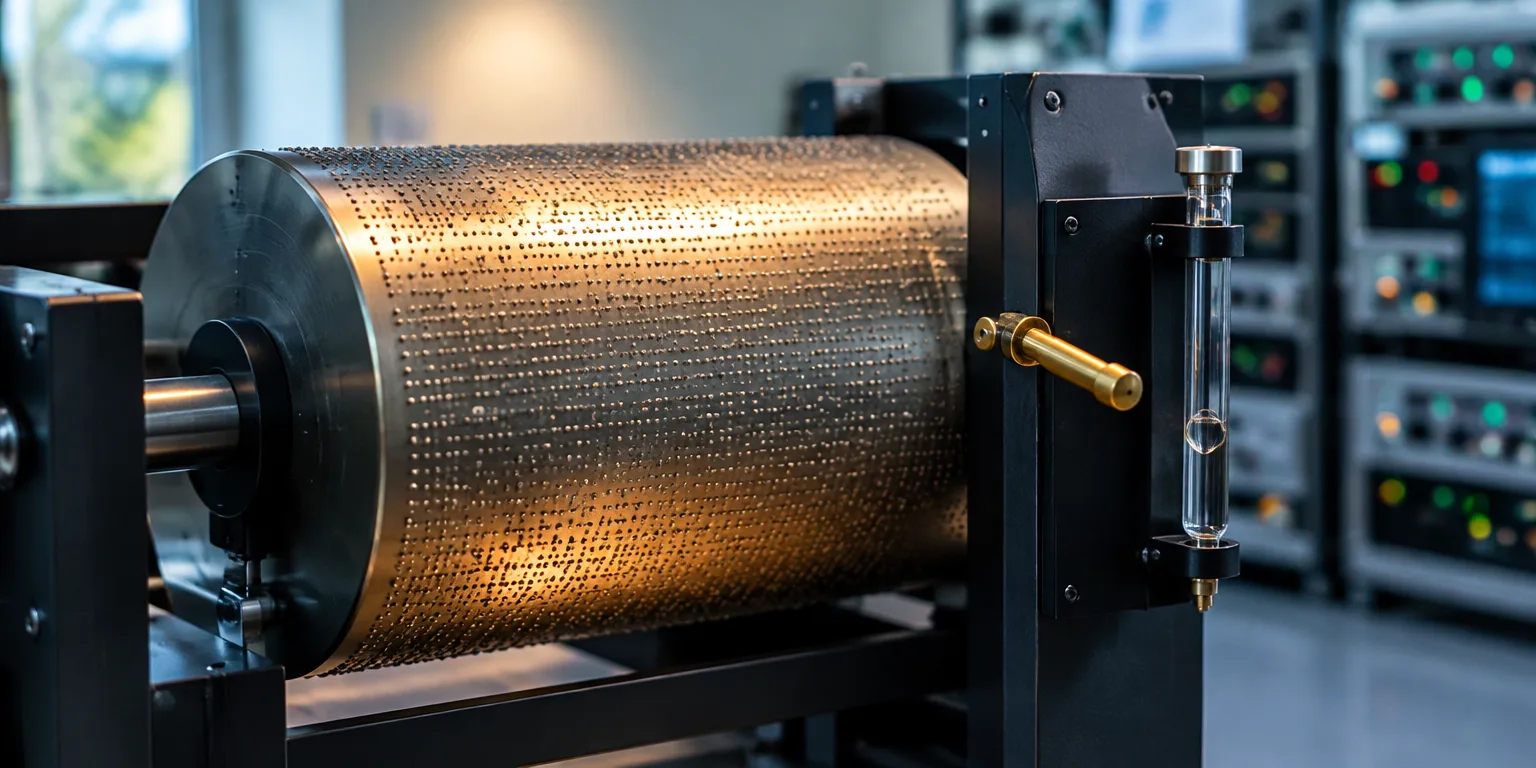
He points to work by brain scientists Mike Merzenich, Michael Kilgard, and Greg Recanzone that overturned that view. They trained adult monkeys to feel a slowly rotating drum covered in bumps, like braille. When the bumps shifted from coarse to fine, the monkey pressed a lever and got juice. Afterward, the patch of brain that processes touch from the fingers had expanded.
Then they changed only what the animal was rewarded for noticing. The monkeys still felt the same drum and still heard the same sound in the room, but now juice came for detecting a subtle change in the pitch of the sound. This time the hearing area changed, not the touch area. The experience was the same in both cases. What differed was attention.
This is a key idea Huberman describes: the adult brain does not change from passive experience. It changes from focused attempts, mistakes, and error signals that tell it something needs to be different.
That effort often comes with agitation. Huberman says that agitation is the reflection of a cocktail of brain chemicals, called neuromodulators, that allow circuits to change. They include dopamine, serotonin, acetylcholine, and adrenaline.
In his account, that chemical activity puts a chemical tag on the neurons just used, marking them to change during sleep. Progress comes gradually, with a little movement toward the skill after rest and repeated tries. Genuine attempts matter, he says, while random or careless errors do not teach much.
The chemistry appears general rather than tied to one molecule. Huberman says those researchers found that raising those modulators during a learning session helped animals and people learn better. The reverse also fit: after learning, people given propranolol, a medicine that blunts adrenaline signaling, remembered less well. He cites studies by memory researchers Larry Cahill and James McGaugh on this point. In Huberman's words, "frustration is the first gate of learning."
Questions people ask
Does this mean I should study while stressed out?
No. The useful strain is brief and tied to the task, trying to get a passage, serve, or problem step right. As general background beyond this episode, chronic stress, poor sleep, and anxiety impair focus and memory. The episode emphasizes focused tries followed by sleep, when much of the change happens.
How long should I keep pushing when learning feels hard?
The cited segments give no set number of minutes. Huberman emphasizes genuine attempts, noticing errors, and continuing a little more after frustration starts. When attempts are no longer genuine, it is reasonable to stop, rest, and return after sleep.
Why would just listening in the background not be enough?
In the monkey work, the animals heard and felt the same things in both conditions, yet only the attended sense changed in the brain. That suggests mere exposure is not the driver. What mattered there was attending to one stream, attempting the task, and using the errors to adjust.