Gaza Was Not Sealed Off Before Oct. 7
A Moroccan journalist argues that daily jobs in Israel, incoming utilities, and a southern route to Egypt show a place that was restricted but not closed.
 blogs.timesofisrael.com · Israel Withdrew, Hamas Took Over, and Gaza Never Became a Palestinian State
In an opinion essay, a Moroccan journalist who writes about Morocco-Israel relations makes the case that Gaza was not sealed off before Oct. 7.
He points first to daily travel for jobs. Before that attack, he notes, tens of thousands of Gazans entered Israel to work, and those paychecks fed families and put money into a weak economy.
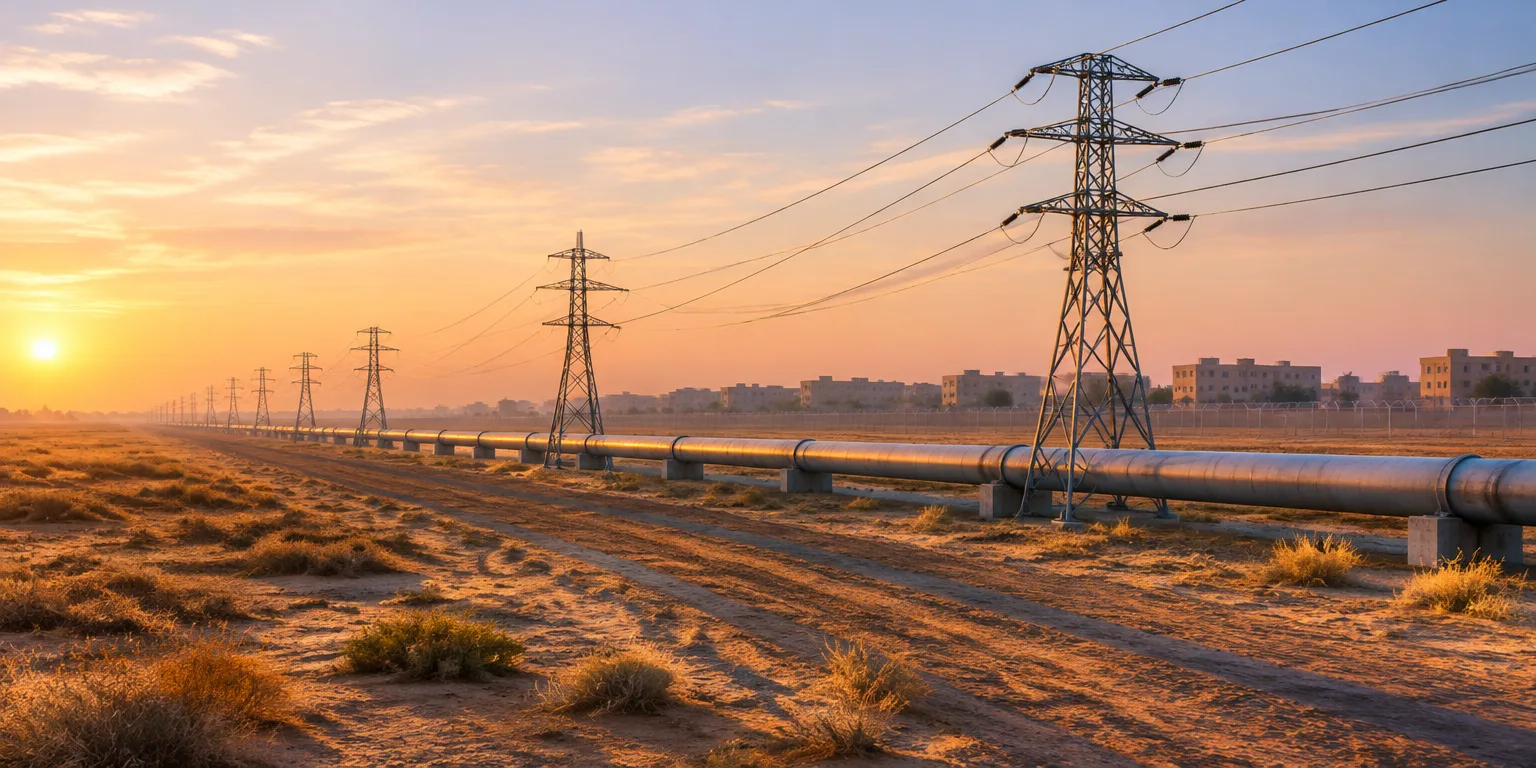
He points next to trade and utilities. Trucks brought food and fuel, he writes, while power and water came from Israel. To him, that dependence undercuts the prison image, because a place described as a prison would still need its accused keeper to provide light and water.
He says the controls that did exist were a response to fighting. Crossings closed after violence, he writes. He blames Hamas for turning homes and public buildings to military use, for seeking rockets instead of medicine, and for digging tunnels and firing from neighborhoods. In his telling, each wall and checkpoint came after smuggling, tunnels, or attacks.
Even with those controls, he says, Gazans had a southern door during that period. Through Rafah they could enter Egypt, reach El-Arish, and continue onward for schooling, medical treatment, flights abroad, and visits to other countries.
For him, that mix of work travel, trade, incoming utilities, and a route outward means the territory did not look like a locked prison. He concludes that the main limit was not land but leadership.
Questions people ask
Where is Rafah, and why does it matter?
Rafah is the town and crossing at the southern end of Gaza, where Gaza meets Egypt's Sinai Peninsula. Palestinians going through it enter Egypt and can travel on to the city of El-Arish and then to airports, schools, and hospitals. It is separate from the crossings into Israel in the north and east.
Why did Israel supply electricity and water to Gaza?
Gaza has limited power plants and water sources of its own, so pipes and power lines connected it to Israel and, to a lesser degree, Egypt. After Israel withdrew settlers and soldiers in 2005, those supply links continued, alongside deliveries of food and fuel by truck. The arrangement persisted even as Hamas and Israel fought repeated wars.
How did daily work in Israel actually function?
Israeli authorities issued work permits that let vetted Gazans enter Israel for day jobs, often in construction, farming, and services. Workers would cross in the morning and return in the evening, and their wages supported extended families. Israel periodically froze or cut the number of permits after rocket fire or other attacks.