Genghis Khan Made Religion a Personal Choice No One Could Force
After driving out a ruler who had banned Islam, the Mongol conqueror made faith a personal right.
 Lex Fridman Podcast · #476 – Jack Weatherford: Genghis Khan and the Mongol Empire
When asked about religious freedom under the Mongols, Jack Weatherford, a longtime student of Genghis Khan, started with the story of the Uyghurs asking for help against their ruler.
The Muslim Uyghurs in western China were ruled by Kuchlug, a Christian who had converted to Buddhism and outlawed Islam. They appealed to Genghis Khan for rescue, who sent a detachment that drove Kuchlug from power and killed him as he fled. For people outside Mongolia, the khan then made his first law: “Every person has the right to choose their religion. No one can stop them. No one can force them.”
The point, in Weatherford’s telling, was the individual. Rome had been reasonably tolerant of different sects, though not of Christians, and that kind of permission for institutions was presumed, but here the right belonged to the person. In his view, no one in history had framed it that way before.
The law grew from practical life. The steppe tribes fought mainly over women, so outlawing the kidnapping and sale of women cut down feuding. In Weatherford’s view, Genghis Khan also acted from what had happened to his own mother and wife, both kidnapped, which taught him the injury such crimes caused. Weatherford says he gave religious choice as a personal right to keep people from being hurt, and that minorities flocked to him for it.
There was a political edge as well. Giving Shiites, Sunnis, Christians, and Jews equal rights could keep any faction from dominating or uniting against him, though Weatherford treats that awareness as secondary rather than the main motive. Religious institutions were freed from taxes, but Confucianism was not classified as a religion. He asked “What do they do?” about Confucians, while Taoists offered magic formulas and cures. The tax break later invited abuse as land was signed over to clergy to avoid payment.
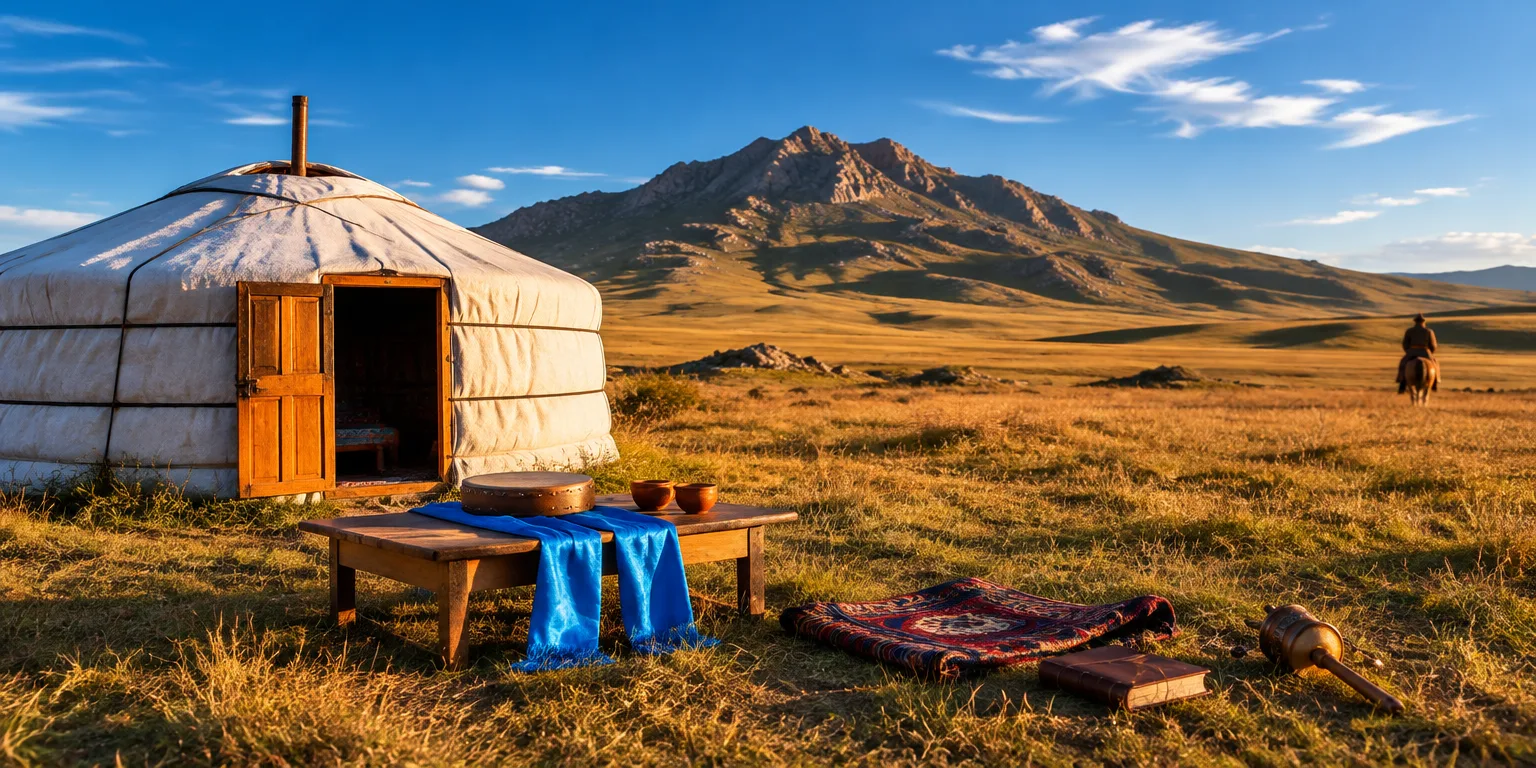
Genghis Khan himself explored faiths without joining one, summoning scholars and arranging public discussions among groups who otherwise would not speak, each forced to explain belief in terms outsiders could grasp. He stayed an animist, a worshiper of spirits centered on Mount Burkhan Khaldun and then on the sky, the one spirit present everywhere. In Mongolian the words for sky, heaven, God, and weather are the same, Tengger. As a universal spirit, the sky could embrace all faiths, and the belief was that each person already knows morality within. His grandson Mongke said to Christians, Jews, Muslims, and Taoists: “You people have your scriptures and you don't live by them. We have our spirits and our shamans and our drums, and we live by them.”
Questions people ask
Who are the Uyghurs?
The Uyghurs are a Turkic people, most of whom are Muslim today and live mainly in Xinjiang in western China. In Genghis Khan's time they lived in the same region, had their own script and cities, and became early allies and scribes for the Mongols.
What did Genghis Khan himself believe?
Animism is the belief that spirits live in natural things like mountains, rivers, and the sky. For Genghis Khan that meant Mount Burkhan Khaldun, where he had hidden as a youth, and later the Eternal Blue Sky that covered all peoples equally.
Did religious freedom actually work across the empire?
Yes, with limits. People could worship freely and clergy paid no taxes, but the policy also helped the Mongols divide powerful religious blocs and win minority support. Later rulers abused the tax break, and later campaigns still punished cities that rebelled.