Germs Did More Than Swords to Conquer the Americas
Europeans carried immunity to diseases Native Americans had never seen, and neither side understood contagion well enough to stop it.
 Shawn Ryan Show · #335 Ed Barnhart - The Amazon Rainforest is Hiding a Lost Civilization?
Disease did more of the work than the sword in the Spanish conquest of the Americas.
That is the argument of Maya archaeologist Ed Barnhart, who puts the death toll at a conservative 100 million people across North and South America in the first 50 years after contact. About 90 percent of Native people died, he says, after exposure to some 13 pandemic diseases carried by Europeans. Conquest and the sword did not help, he says, but infection did most of the killing.
The mechanism was immunity, or the lack of it. Europeans had lived through the Black Plague and built up herd immunity, the collective protection that develops when enough people have survived infection. The diseases were still present in their population. Native Americans had never encountered these pathogens, so infection spread like wildfire once Europeans arrived.
The Caribbean showed how fast it could move. On Hispaniola, Cuba, Jamaica, and what is now Haiti and the Dominican Republic, Barnhart says almost everyone was dead within about 10 years. Isolated on islands, communities had nowhere to escape, and there were soon so few people left that colonizers began importing enslaved Africans, who then introduced yellow fever and malaria, diseases to which Native Americans also had no defense.
Neither side understood what was happening. Europeans still believed health depended on four bodily fluids called humors, and treated the sick with leeches. The Maya, a cleaner people with effective herbal medicines, believed illness was a spiritual attack or a sign that the gods were displeased, so families bathed together, which spread infection further.
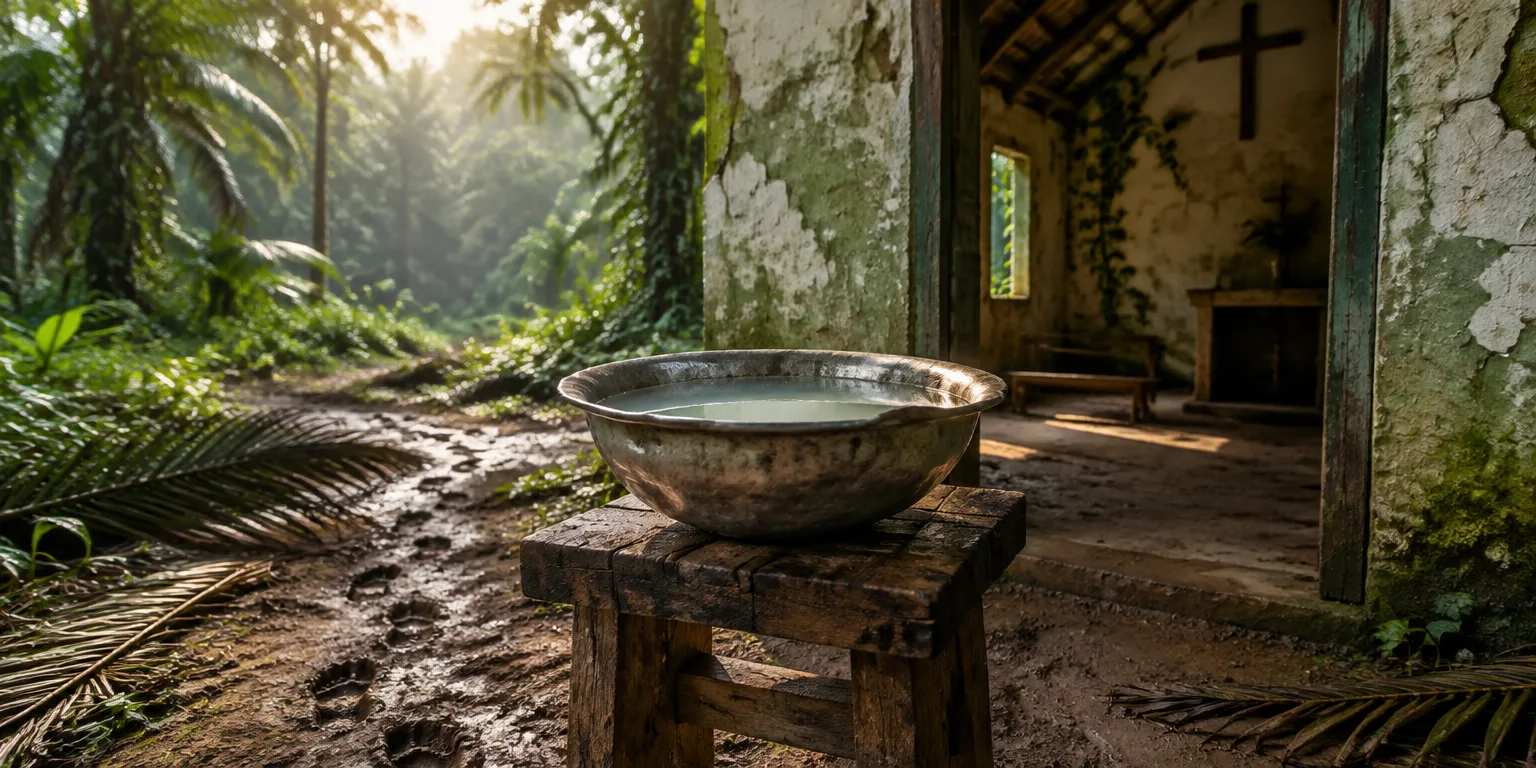
Spanish priests trying to help often spread death faster. They lined up converts and baptized them one after another from a shared vessel, splashing pathogens from face to face. Disease even outran the invaders. By the time Francisco Pizarro reached the Andes, smallpox had already killed the Inca king and left two brothers fighting for the throne.
Sickness also reshaped belief. If epidemics seemed to prove that old gods had failed and priests said conversion would bring protection, Christianity became a compelling offer. Barnhart cites a heartbroken priest in the Brazilian Amazon who built missions and baptized thousands of people a day, then begged God for an explanation when his converts kept dying. Barnhart suggests the baptismal bowl was probably part of the chain.
Questions people ask
Which diseases killed the most Native Americans?
Smallpox, measles, influenza, typhus, and bubonic plague were among the deadliest, along with mumps, diphtheria, and later yellow fever and malaria. Smallpox is the most documented because its rash and scarring were unmistakable, and it repeatedly devastated cities ahead of direct European contact.
Why didn't Native American diseases wipe out Europeans on the same scale?
The Americas had fewer crowded cities and domesticated herd animals, the two conditions that breed many epidemic diseases. Europeans did encounter unfamiliar infections in the Americas, and syphilis may have traveled back to Europe, but nothing matched the one-sided toll of Old World pathogens in the New World.
How do historians estimate 100 million deaths?
There was no census, so estimates combine early colonial tax rolls, missionary records, burial sites, abandoned fields and cities, and population modeling. Numbers vary widely, but archaeology and historical demography now support much higher precontact populations, and higher losses, than scholars assumed a generation ago.