Gig Driver Strikes Could Be Undercut by Surge Pricing
More than 50,000 California drivers have joined a new union, but walkouts face a built-in pricing problem.
 WSJ What's News · The Tech Selloff Deepens
More than 50,000 California drivers have signed up for a new statewide union for gig workers, squeezed by flat pay, competition from self-driving cabs, and higher expenses for fuel, insurance, and cars. They hope to push for keeping more of each fare, along with benefits and a way to challenge being shut out of the apps without explanation.
The union is still getting started, with no formal leadership or list of demands yet. Organizing could give drivers more leverage to press for improved pay and a fair appeals process when they are cut off from driving.
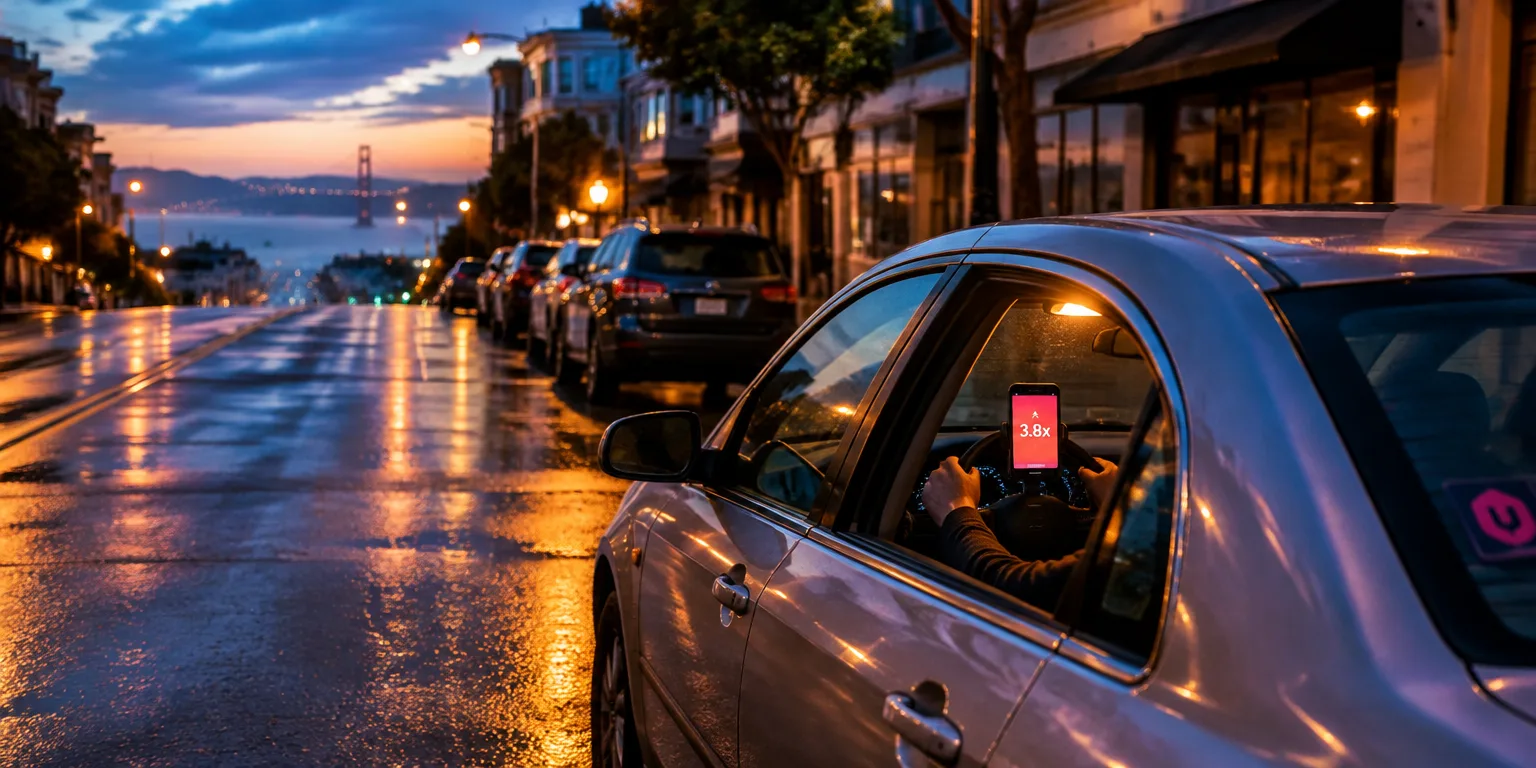
The problem is built into how the apps price rides. When fewer drivers are available, Uber and Lyft automatically raise fares to pull more drivers onto the road. Economics reporter Paul Kiernan argues that dynamic could blunt any walkout, because other drivers could find it fairly lucrative to log on during a strike and take the higher-priced trips.
Uber and Lyft have not opposed the union. The companies already preserved what matters most to their business model, treating drivers as contractors rather than staff, who would otherwise receive legal guarantees such as pay floors and injury coverage. Industry analysts say the companies may also view drivers as potential allies in slowing the growth of Waymo, Alphabet's driverless taxi service, through regulation.
Some drivers are skeptical the union can win better pay; others think it is worth a try.
Questions people ask
Why aren't Uber and Lyft drivers already employees?
In California, voters passed Proposition 22 in 2020, which lets app-based companies treat drivers as independent contractors while providing some limited benefits. That means drivers do not get minimum wage, overtime, workers' compensation, or unemployment insurance as employees would. Unions can still bargain or lobby, but they cannot easily change that classification without new legislation or court action.
What is Waymo?
Waymo is the driverless car company owned by Alphabet, Google's parent company. It operates fully autonomous taxis that passengers hail through an app in cities including San Francisco, Los Angeles, Phoenix, and Austin. For human drivers, it represents both extra competition for rides and a longer-term threat to their jobs.
How does surge pricing work?
Surge pricing is an automatic fare increase that kicks in when rider demand exceeds the number of available drivers in an area. The app shows a multiplier or higher price, which is meant to persuade more drivers to log on. During strikes or bad weather, surges can be steep, which is why strikes can briefly benefit the drivers who stay online.