Give thanks first and the grateful feeling follows
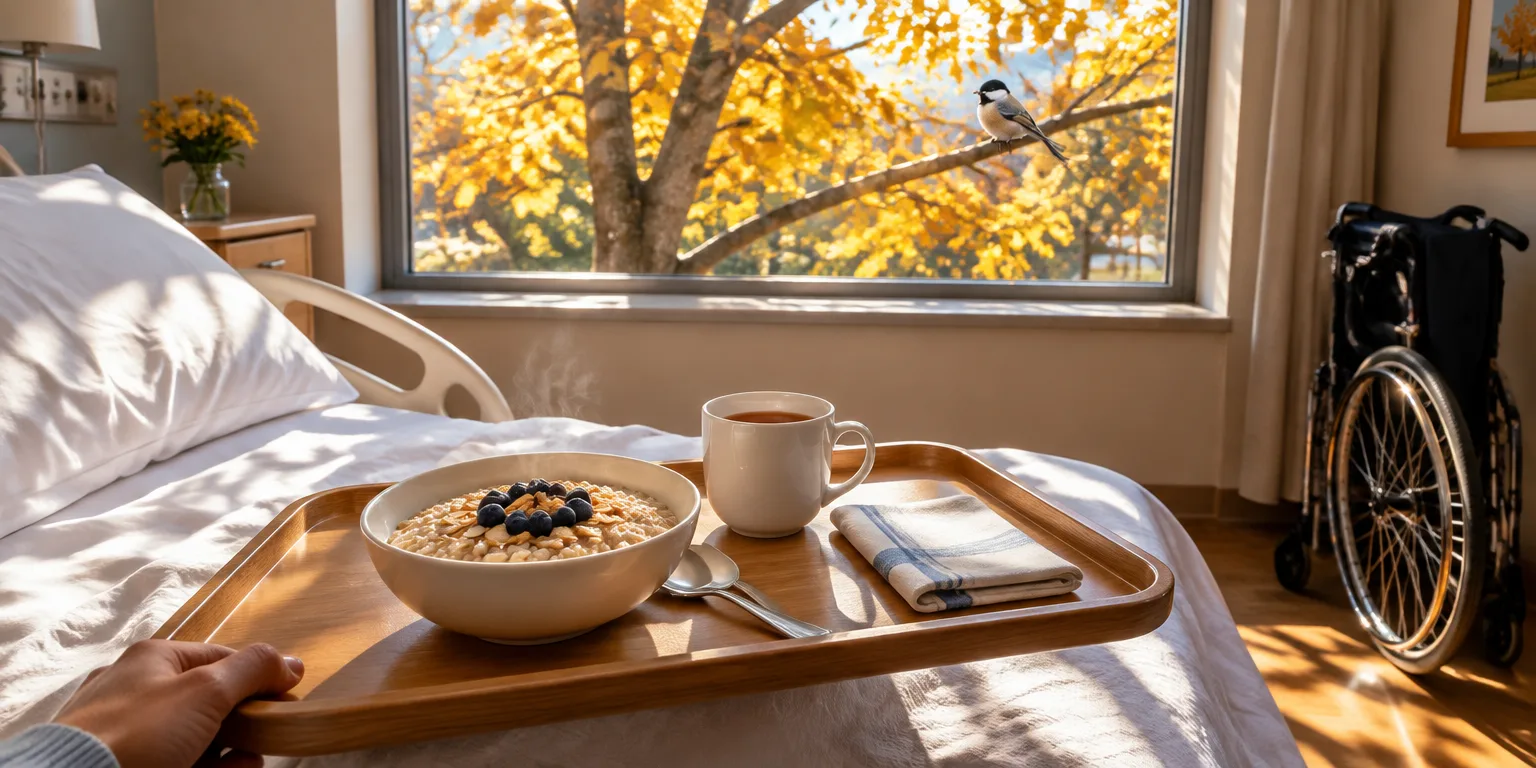
Joni Eareckson Tada started with a hospital window and warm breakfast, and Ben Sasse and his family use a 10-thanks-per-complaint rule and a go-smaller habit she described.
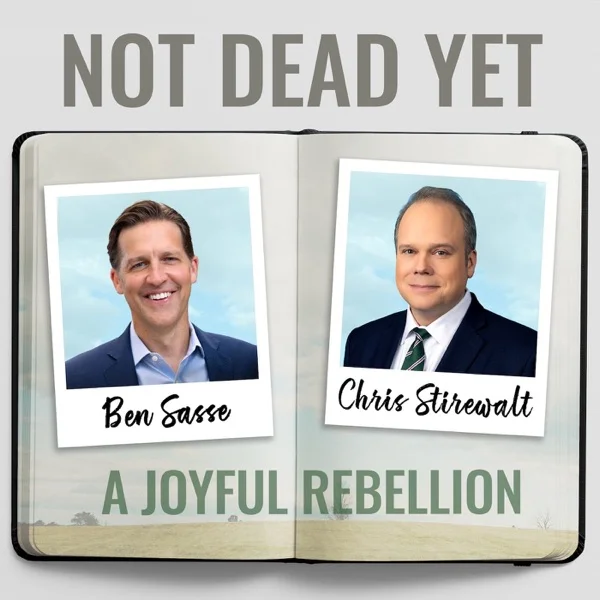 Not Dead Yet · Joni Eareckson Tada
Joni Eareckson Tada is 77 and has lived paralyzed since a diving accident at 17. She describes gratitude not as a mood that arrives on its own, but as something she trained herself to practice until the feeling caught up.
The lesson came in the hospital. A friend pointed her to the biblical instruction, in everything give thanks, and when she protested that she did not feel thankful and did not want to be a hypocrite, he answered that she was not being told to feel thankful. She was being told to give thanks. Then he told her to start small.
Small meant a bed near the window where she could see trees and birds. It meant warm breakfast because food was served on her side of the hallway first. It meant supportive parents, visiting friends, and learning to use a wheelchair. She listed those things. She said the emotion of thankfulness did not arrive for one to three months. Feelings, as Sasse, co-host of the discussion, put it in relaying her point, are a lagging indicator.
The Sasse household uses that lesson in two ways. One is the family's 10x gratitude rule: when you catch yourself complaining, you owe at least 10 thanks before you get another complaint. The other is a habit Sasse says he takes from her: if you cannot be grateful for the big things in your day or week, "go down to the hour or the minute," as Sasse puts it, and find something that could be worse than it is.
Sasse applies it to scalp infections that smell bad and leave him self-conscious around family. Chris Stirewalt, Sasse's co-host, says voicing hurt and regret does not make it go away but fertilizes it. For moments of anger or anxiety, he uses a separate pause, counting backward from 100 to force himself to be still and quiet.
Sasse says that "over the course of the last 10 months" he now hears birds around his Nebraska house in a way he never did before, beyond the owls he always loved.
Questions people ask
Does writing down small gratitudes actually make people happier?
Yes, experiments on expressive writing and gratitude lists generally find small lifts in mood and life satisfaction, especially when people name specific, concrete things rather than broad abstractions. The effect is usually modest and works best with repetition over weeks, much like exercise. It does not erase clinical depression or grief.
How small should I start?
Small enough that it feels almost silly: warm food, daylight, a working elevator, a bird outside. The point is to make the task easy enough to do when larger parts of life feel hard. Once that becomes automatic, people often find it easier to acknowledge bigger things.
What if I try it and still feel ungrateful?
Do it anyway, briefly and specifically, without trying to force the emotion. Joni's version treats the words as obedience first and trusts the feeling to follow months later. If the practice feels false or painful, shorten it, change the item, or talk with someone you trust.