Going to Sleep After Studying Helps You Remember More Than Cramming
Facts and practiced skills are stored in different stages of sleep, so when you go to bed matters.
 TED-Ed · The benefits of a good night's sleep - Shai Marcu
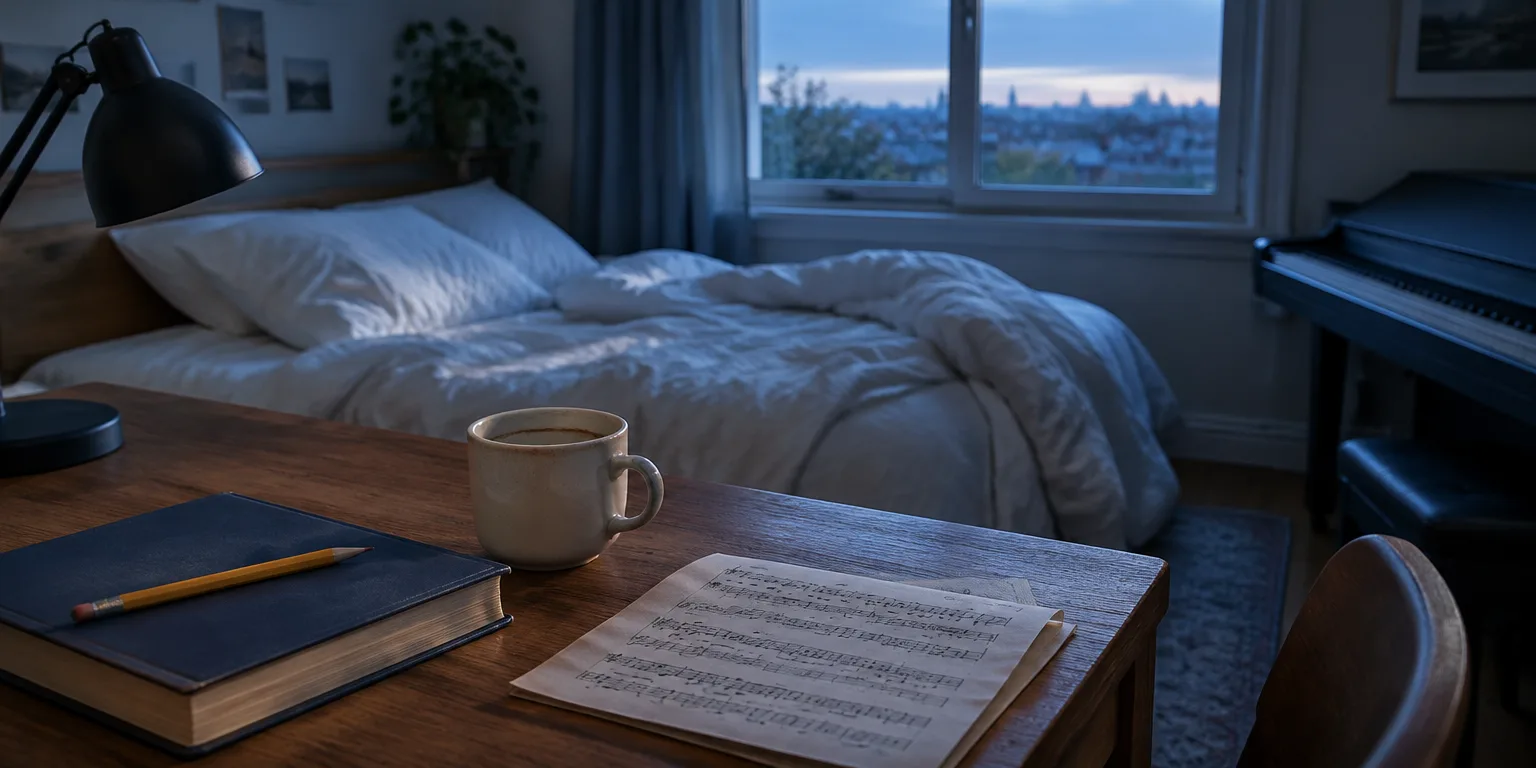
Imagine it is almost dawn, with an exam in a few hours and a piano performance after that. You have been studying and practicing for days and still do not feel ready. The instinct is to brew more coffee and keep cramming until morning, but you would likely remember more if you closed the books, put away the music, and went to sleep.
Sleep does active work for the brain, not just rest for a tired body. It is when the brain files away what you just learned. The filing system has two tracks. Facts you can state, like formulas, are a type called declarative memory. Skills you perform, like scales, are a type called procedural memory. Each is strengthened in a different stage of sleep.
During deep, slow wave sleep, the non dreaming kind, declarative memories are first held in the front part of the hippocampus, a small memory hub deep in the brain. Through repeated back and forth signaling between that hub and the cortex, the wrinkled outer layer of the brain, the memories are reactivated and gradually shifted to lasting storage there. During REM sleep, the dreaming stage when brain activity looks much like waking, researchers link that stage to consolidation of procedural memories.
Based on the studies described, falling asleep three hours after memorizing facts and one hour after practicing a skill would be most ideal.
Missing sleep harms long term health. It also means holding onto less of what you studied and practiced the night before. Close the books, and let yourself wake up with a brain that has made new connections overnight.
Questions people ask
Will a short nap work, or does it need to be a full night?
The explainer describes overnight sleep, not naps, so it offers no timing for naps. A full night is what the piece points to, because it cycles through deep sleep for facts and REM sleep for skills several times.
Should I study right up until I fall asleep?
It helps to leave a little buffer rather than studying with your eyes closing. The timing described is going to sleep three hours after memorizing and one hour after practicing a skill, not necessarily minutes after. A calm wind down also helps you fall asleep faster, which protects the sleep you need.
Why does coffee feel like it helps if sleep is better?
Caffeine blocks sleepiness signals in the brain, so you feel more alert and focused in the moment. It does not do the filing work that sleep does for long term memory.