Good software watches what you do, not what you ask for
Business software starts simple, then drowns in buttons. A toaster designer found a better way by watching people burn toast.
 David Senra · The $44 Billion Company Building Self-Driving Money | Eric Glyman, Ramp
Eric Glyman, the chief executive of Ramp, a company that sells corporate cards and expense software, was swapping stories with a group of designers when he posed an odd test of taste.
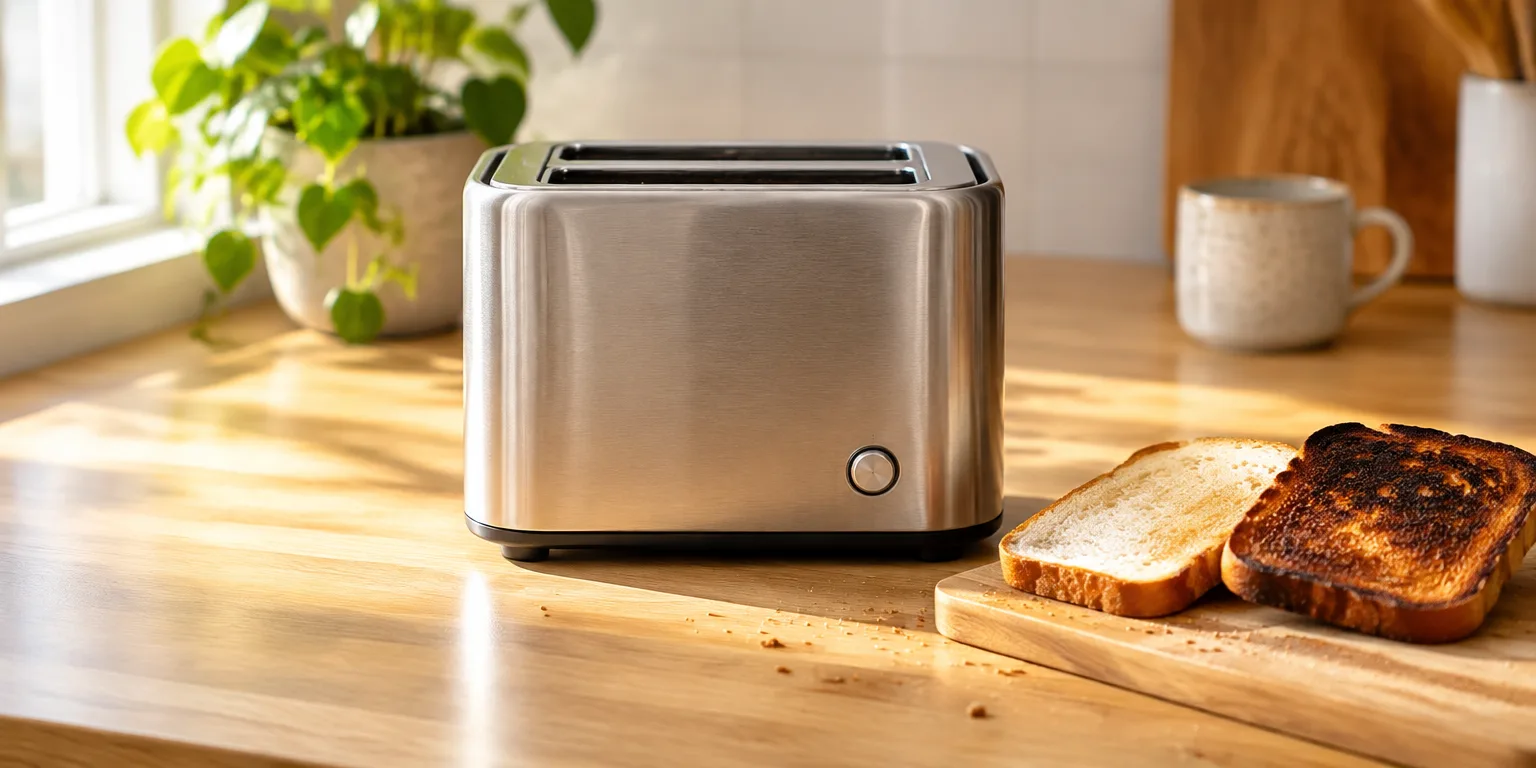
"Have you ever used a Brevel toaster?" Glyman asked. If you care about design, he said, you should buy one.
The detour was his way into a complaint about business software. Programs often start clean and elegant, when a small group of customers loves them. Then more customers bring more requirements and more ideas, until the tools need specialists to maintain them. The result is software so unpleasant to use that people never want to log in.
Asking customers what they want only makes it worse, he argued. Ask toaster or microwave owners what they want and one wants a frozen pizza mode, another wants something closer to an oven, and another wants popcorn. Build exactly that and the front fills with buttons, knobs, and dials.
The Brevel designer worked differently, by watching people toast. A toasting attempt often ends in one of two mishaps, with the slice pale or burned. Glyman called that pattern "one of the most dominant things" in toasting, something no shopper would list as a feature request. As Glyman tells it, the toaster has a button for it, labeled a bit more.
He applies the same test to expenses. In his view, it makes little sense to have trusted adults buy for their employer and then type the details into another system. Those purchases already exist as digital records, so the report should largely write itself, and the books should largely close themselves.
The point is to stop defending the familiar shape of the product. Glyman said Ramp wants "to deliver a business that is easier to run," more profitable, and less distracting at work.
Questions people ask
What does the 'a bit more' button actually do?
It runs the toaster for a short extra burst instead of a full cycle, for toast that comes out pale and underdone. That is the common fix people otherwise try by awkwardly running the whole cycle again. It saves the toast without starting over.
Why does business software get so complicated?
Note: this is general context from the writer, not Glyman's claim. Each large customer tends to ask for its own special case, field, or report, and vendors often agree to win the deal. Over years, those additions pile up into crowded menus and long training times.
If expense reports should do themselves, how would that work?
Note: this is general explanation, not Glyman's description. The payment already creates a digital trail, and software can attach the receipt, draft the memo, and file the accounting entry without retyping. A person would step in mainly when something looks out of policy.