Google Is Giving Up a Piece of Search to Own a Piece of Much Bigger AI
Warren Buffett traded high-margin candy for a low-margin railroad that made far more money, and Ben Thompson says Google is making the same trade from search to AI.
 Invest Like the Best with Patrick O'Shaughnessy · Ben Thompson on Big Tech, China, and the AI Boom Running Out of Money - [Invest Like the Best, EP.487]
Ben Thompson, a writer who covers technology companies, was puzzled by Google selling new shares and shrinking its current owners' stake. In his telling, Berkshire Hathaway does more than back Google financially; it shows the direction Google is headed.
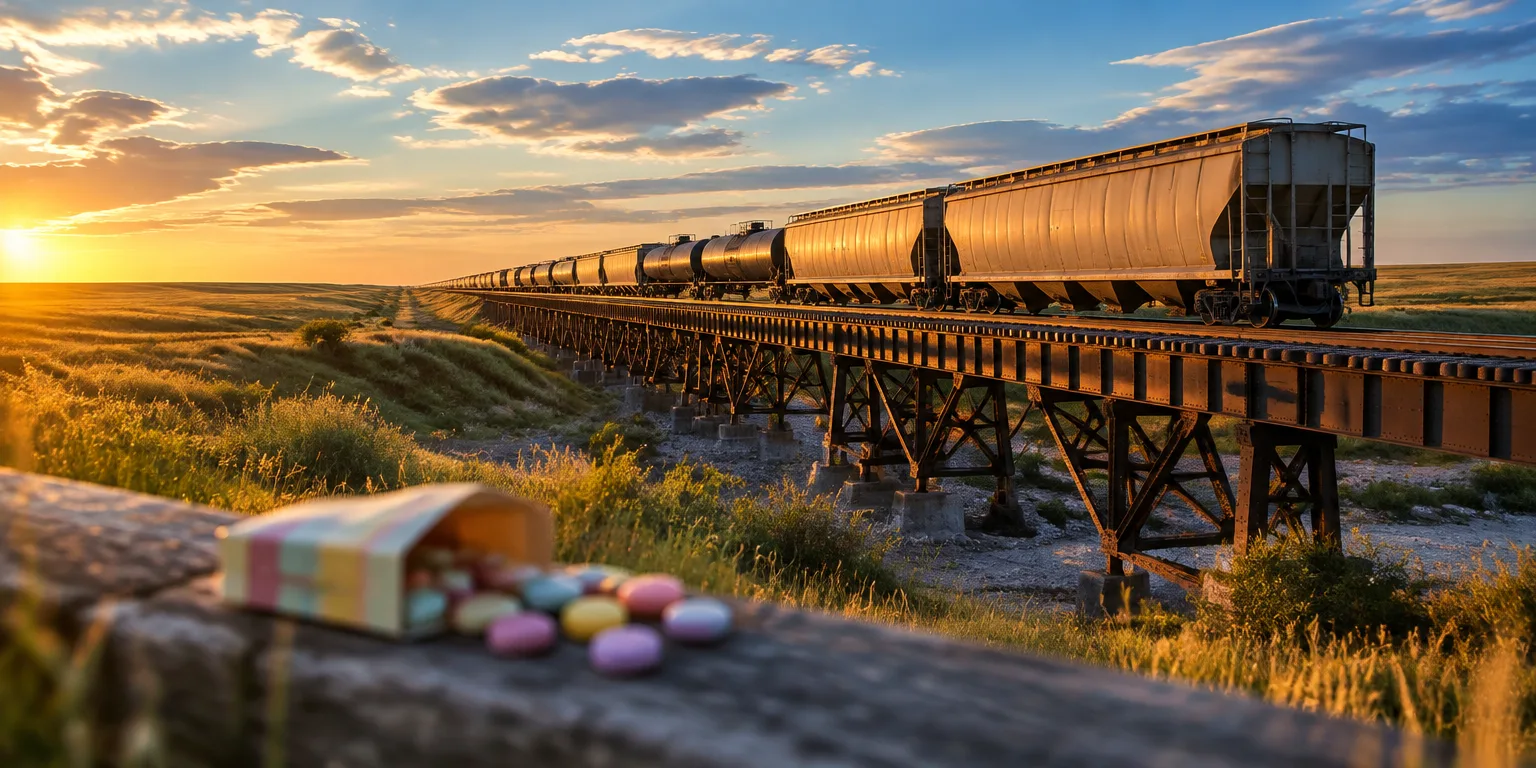
Thompson argues that Google is following the path Berkshire Hathaway took under investor Warren Buffett. Berkshire owned See's Candies, a candy maker famous for very high profit margins. The problem, Thompson said, is that the rate of profit can look spectacular, yet the total dollars stay capped because the cash just piles up with no place to put it back to work.
So Berkshire took the candy profits and bought BNSF, a railroad with much worse margins. But because the dollar volumes are so large, Thompson noted, the free cash the railroad threw off in a single recent year exceeded everything See's had produced in its entire lifetime.
Search, Thompson said, is Google's See's Candies. It costs almost nothing extra to serve one more search, and it grows without much added cost. Artificial intelligence is its railroad, a business that incinerates cash to build and run, but whose total market could be all white collar work and, with robotics, potentially everything.
In that light, Thompson argues, selling shares makes sense. In his account, Google had already used all its free cash flow and tapped the debt markets for hundreds of billions of dollars, and then it issued equity. An equity issue cuts your percentage ownership, but it is a smaller slice of an astronomically larger pie.
Questions people ask
What does it mean for Google to issue equity?
It means Google creates new shares and sells them to investors for cash. Existing shareholders then own a smaller percentage of the company, which is called dilution, but Google gets money to spend without adding debt. Companies usually do this only when they need very large sums for a long buildout.
Why is search such a perfect business?
Once Google built its index and ad system, serving one extra search costs almost nothing, yet each search can carry a valuable ad. It also gets better with scale, because more searches and more advertisers improve matching and prices. That combination of near zero extra cost and global scale produces unusually high margins.
What is BNSF and why did Berkshire buy it?
BNSF is one of the largest freight railroads in North America, moving coal, grain, consumer goods, and industrial products. Berkshire Hathaway, Warren Buffett's holding company, bought it in 2010 for about $26 billion. It fit Buffett's taste for large, durable businesses that can absorb huge amounts of capital and produce steady cash.