Great Software Lives in Details No One Sees
Leonardo da Vinci painted every leaf no one would examine, and the best programmers obsess over code no user will ever see.
 paulgraham.com · Hackers and Painters
When Paul Graham, a programmer who finished graduate work in computing and then trained as a painter, spoke at Harvard, he argued that "hackers and painters are among the most alike" because both try to make good things.
His summary of the lesson, in his words, was that "in the aggregate, unseen details become visible."
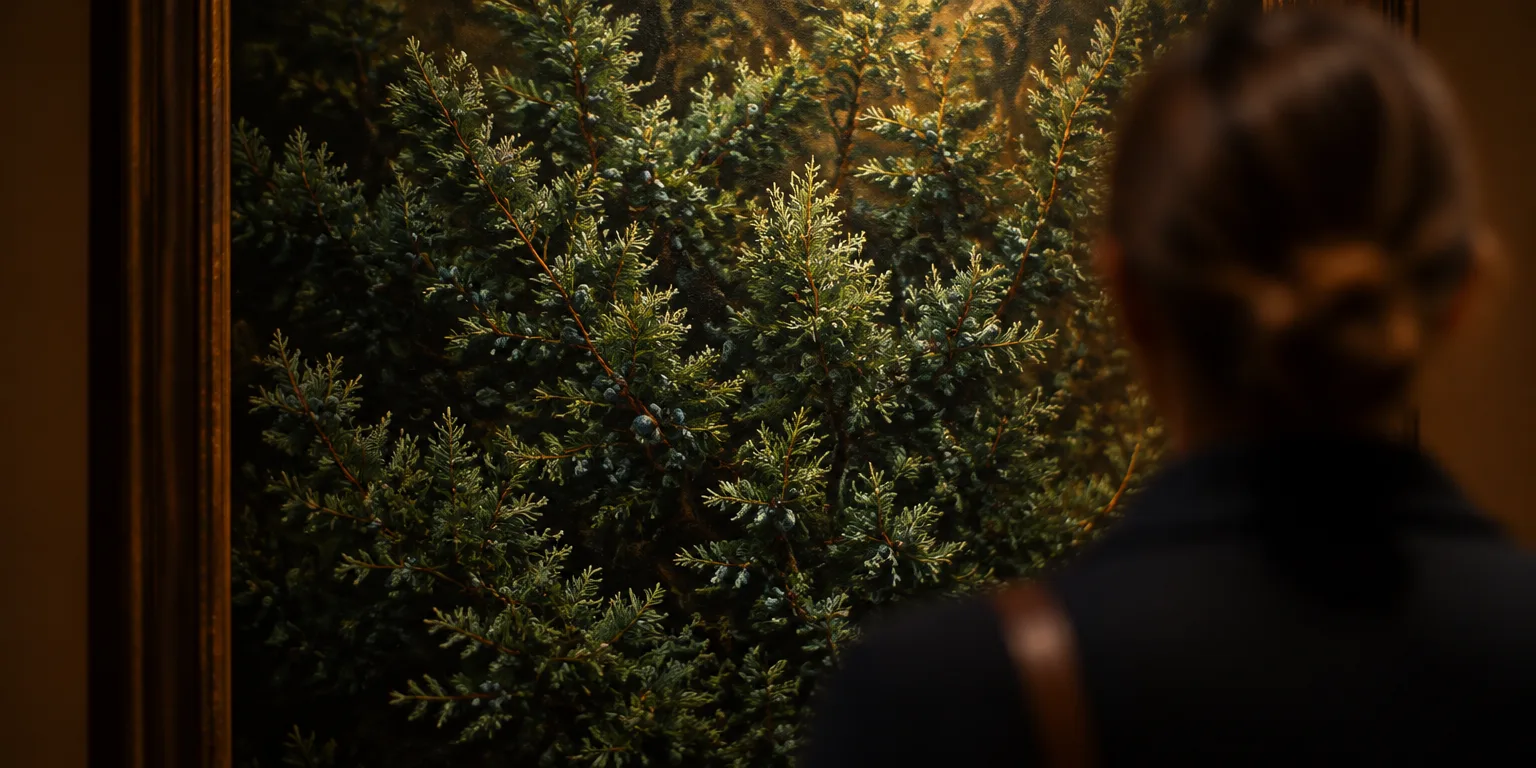
His example was Ginevra de Benci, a Florentine woman Leonardo painted as a teenager, shown in a portrait in the National Gallery with juniper foliage set behind her. Graham noted the bush, and observed: "In it he carefully painted each individual leaf." Other painters might have seen the bush as mere framing that viewers would skim. Leonardo did not. According to Graham, "How hard he worked on part of a painting didn't depend at all on how closely he expected anyone to look at it." He likened that drive to the relentlessness of basketball star Michael Jordan.
Visitors are often stopped by the portrait before they have checked the name beside it. Graham described that effect on viewers as "All those unseen details combine to produce something that's just stunning, like a thousand barely audible voices all singing in tune."
Graham put the lesson for software bluntly: "Great software, likewise, requires a fanatical devotion to beauty. If you look inside good software, you find that parts no one is ever supposed to see are beautiful too. It drives me crazy to see code that's badly indented, or that uses ugly variable names."
He added a joke about himself: "I'm not claiming I write great software, but I know that when it comes to code I behave in a way that would make me eligible for prescription drugs if I approached everyday life the same way."
Questions people ask
Who was Ginevra de Benci?
She was a Florentine aristocrat and poet, born around 1458 into a wealthy banking family. Leonardo painted her around 1474 to 1478, when she was a teenager, and it is the only painting by Leonardo in the Americas. The juniper bush behind her is a pun on her name, since ginepro is Italian for juniper.
What makes code "beautiful" if users never see it?
Programmers usually mean code that is clear, well organized, and easy to change, with consistent indentation, sensible names, and no hidden tricks. That kind of care makes bugs easier to find and features easier to add. Readers feel it indirectly because the program breaks less and improves faster.
Do users really notice details they never consciously see?
Often, yes. Psychologists call this processing fluency: consistent spacing, alignment, wording, and response times make something feel easier and more trustworthy, even if people cannot name why. Dozens of tiny rough edges have the opposite effect, making software feel clumsy or unreliable.