Great work demands an obsession that leaves little room for anything else
Investor Michael Moritz says the painter Frank Auerbach worked every day but Christmas, and never even visited his wife's house.
 Invest Like the Best with Patrick O'Shaughnessy · Michael Moritz - Lessons From 40 Years of Investing and Writing - [Invest Like the Best, EP.491]
When Michael Moritz, the longtime Silicon Valley investor turned memoirist, was asked what it takes to create anything of lasting value, he pointed to complete obsession. That obsession, he argued, almost always comes at the expense of relationships.
He borrowed a blunt line from Evelyn Waugh, the famous British novelist who Moritz noted could write 10,000 good words a week: "The greatest enemy to good art is the sight of the pram in the hallway."
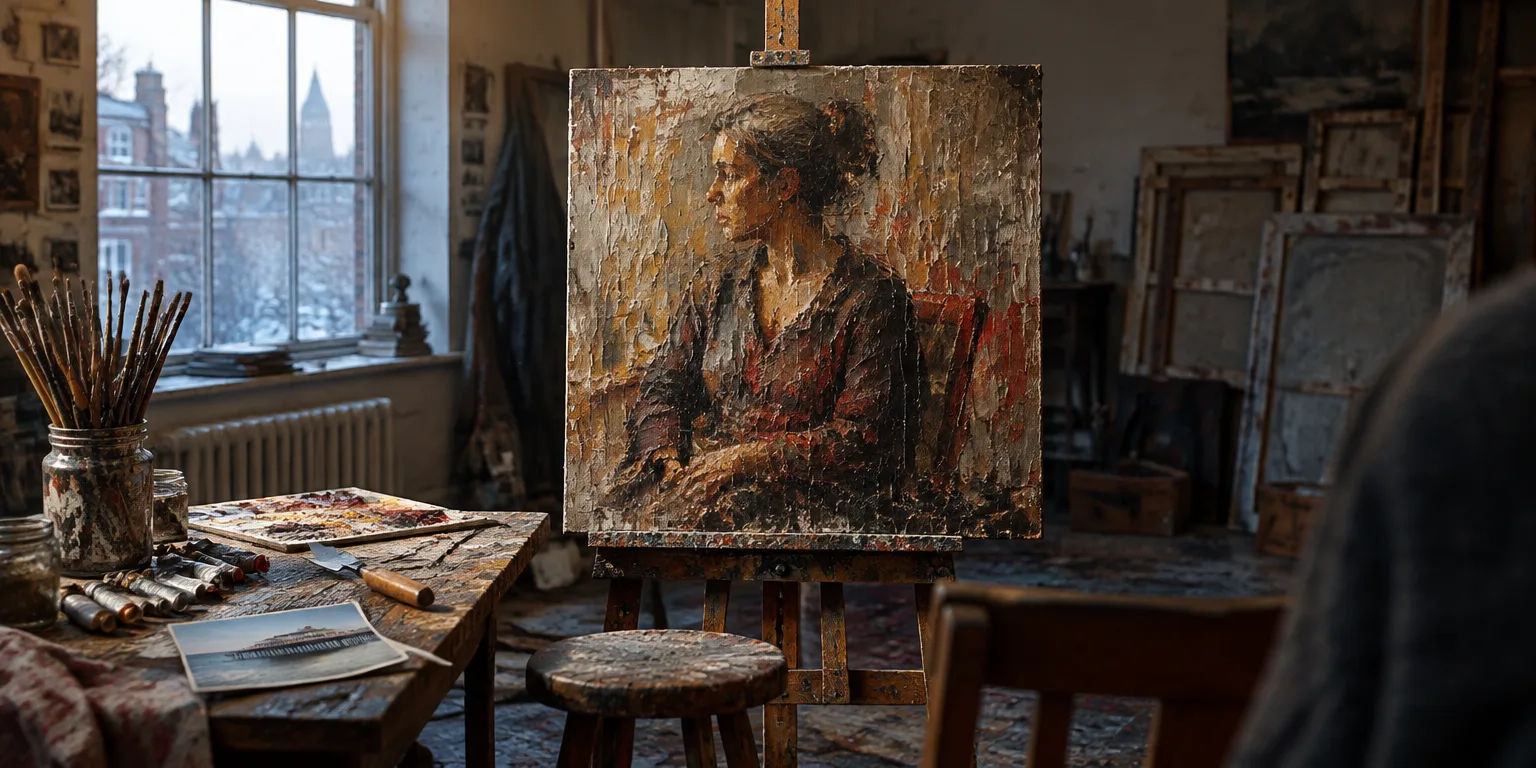
Moritz said he saw what that bargain looks like in Frank Auerbach, the painter and refugee from Nazi Germany whom he had come to know a little. Auerbach, Moritz said, was completely obsessed with his art and lived for it, with no time for anything else.
For many years, Moritz said, Auerbach gave himself one day off a year. Every Christmas Day he went to Brighton, the seaside town known for its pier, and every other day he worked.
The routine left little room for normal life. When Moritz once asked him at dinner if he ever visited his wife Julia at her house on the English coast, Auerbach said he had never been there. He told Moritz how much he loved New York City, its bustle and energy and Times Square, and when Moritz asked when he had last been, Auerbach answered 1967, though they were speaking around 2012 or 2013.
His work ran on the same fixed ritual. For his portraits, Moritz said, Auerbach painted the same small circle of sitters, once a week, over 30 or 40 years. One sitter lived in Venice and flew to London every week for a session, and Moritz said Auerbach would go into a meltdown if a sitter was late. His landscapes were the same scene painted over and over again, reinterpreted each time. Moritz said he "had a son, Jake, but there was no time for anything else."
Questions people ask
Who was Frank Auerbach?
Frank Auerbach (1931 to 2024) was a British painter born in Berlin who arrived in England as a child refugee in 1939. He became known for thickly painted portraits and London street scenes, often reworking the same sitters and places for decades.
What did that kind of obsession look like in the studio?
In art history, monomania usually means sustained, narrow focus rather than a clinical diagnosis. For Auerbach it meant painting the same people and London streets repeatedly, scraping down and rebuilding canvases until the image held. The repetition was his method for seeing more clearly.
Does lasting work always require that trade-off?
No, and Moritz does not claim it is required for everyone. Many durable companies and books come from collaborative teams with steadier hours. His point is narrower: work that bears one person's distinct mark often demands choices that leave less time for family and friends.