Grocery software tracks every scan, but still needs a hand count
Theft and spoilage throw off the math, so managers correct it by hand and teach the system to expect sales and warm weekends.
 Wendover Productions · The Incredible Logistics of Grocery Stores
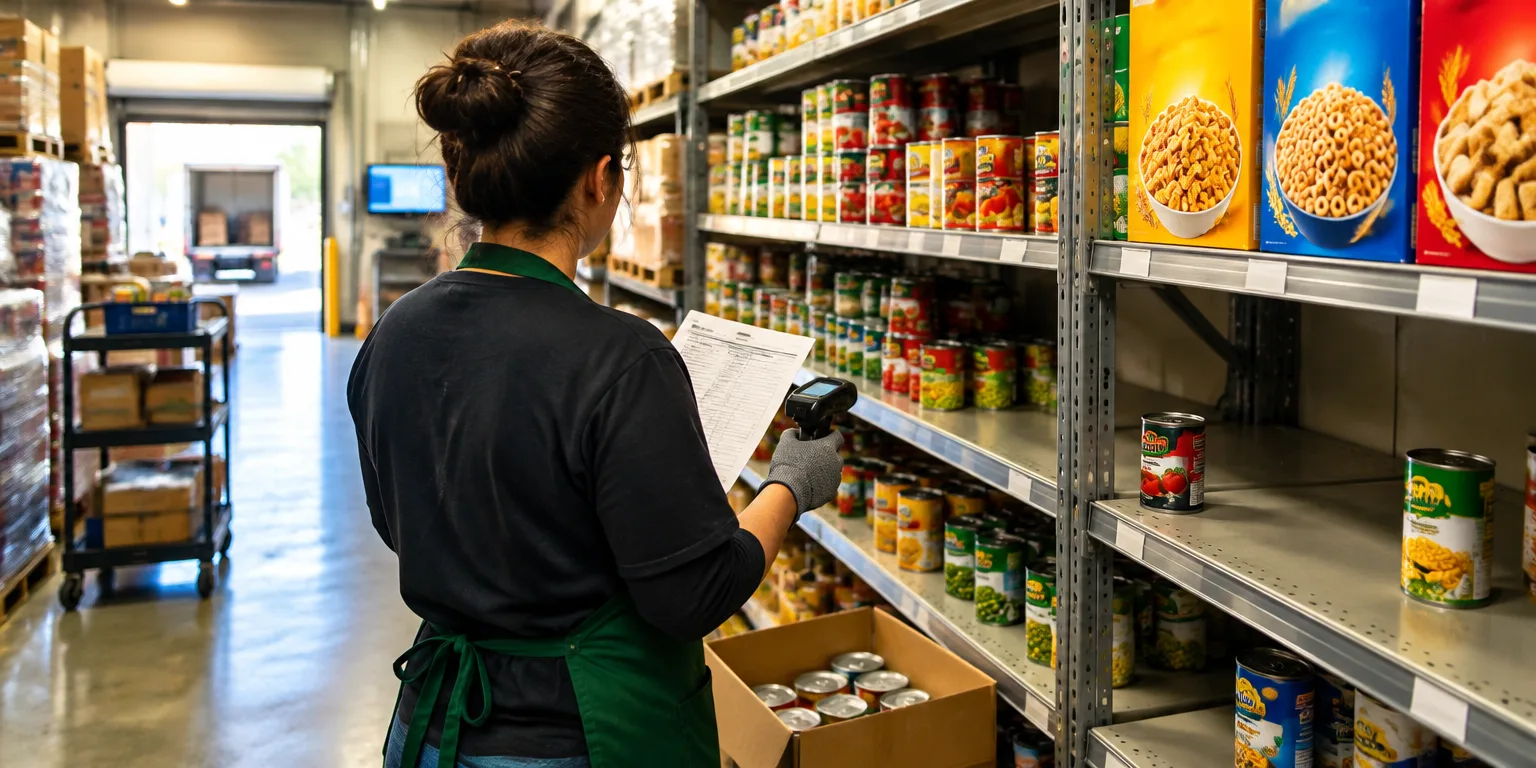
Every can and cereal box in a supermarket like the City Market in Glenwood Springs, Colorado carries a barcode, and that code is the backbone of keeping shelves full.
When a delivery arrives, workers check it into inventory software. When you pay at the register, the system subtracts it. When the count gets low, the system reorders. On paper, it is simple addition and subtraction.
In practice, products leave the store without ever being scanned. Some are stolen. Some spoil, get damaged, or otherwise disappear. That creates a steady gap between what the computer thinks is on the shelf and what is actually there.
That is why stores still count by hand every month or two. The count tells managers how much product was lost, which they need to know to calculate profit. It also tells the software how far off it usually is, so future reorders can be corrected to arrive on time.
The smarter part of the software looks forward, not just backward. If a store puts an item on sale, the program expects demand to rise and orders more. More advanced systems watch outside forces too. An unseasonably warm week might mean more charcoal and less hot chocolate, and the order changes accordingly.
The result is a system that is part automatic and part human judgment, because math alone cannot tell what walked out the door, went bad in the back, or will sell faster next week.
Questions people ask
Why don't stores just count everything every day?
Counting 30,000 different products takes many hours of labor and often requires closing aisles or working overnight. For most items, the software is close enough that a check every month or two catches the drift without the extra cost.
Does self-checkout make the counts less accurate?
Yes, industry studies have consistently found higher loss rates at self-checkout from both accidental missed scans and intentional theft. That kind of loss shows up as shrinkage, one of the main reasons the computer count and the shelf count diverge.
How does the store know how much extra to order for a sale?
It uses past sales of that item, and of similar promotions, to forecast the bump. A store manager can also adjust the order based on local knowledge, such as a holiday weekend or a competing store closing nearby.