Growing Companies Grow A Wasteful Middle That Leaders Can Cut
Reed said leaders can work to eliminate the waste-filled middle and turn the business into a lean ring where all work touches the buyer.
 The Fire Time Podcast · "How to Build a Business that Creates and Delivers Value" by Zack Estes (FTM Rapid Reaction)
Tim Reed, who runs a fireplace retail and installation business, said growth breeds waste in the middle that leaders can work to eliminate. Reflecting on an essay by writer Zack Estes about what companies are really for, he reached for an old image from Peter Drucker, the management thinker.
Reed put it this way: “so that your business is like a ring, not like a circle.”
Drucker, as Reed tells it, pictured a new business as a tiny circle, where the outer edge is the part that touches the customer and every bit of work serves a buyer.
As the company grows, Reed said, that outer edge gets bigger, but the inside swells too. He called it the mushy middle, internal activity that does not create or deliver value.
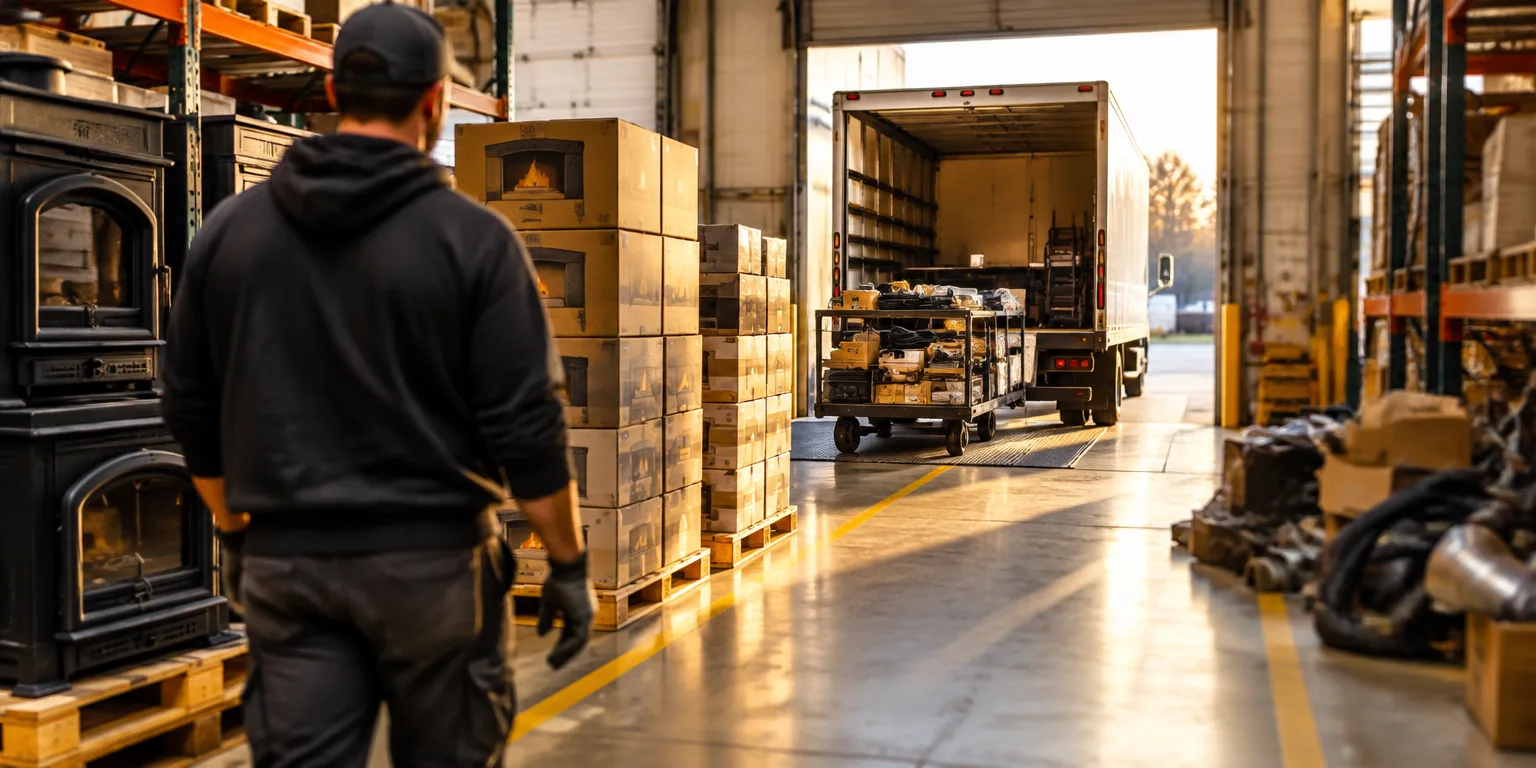
He said, “if you take a walk through the warehouse, chances are there's going to be all kinds of waste that's in there.” He pointed to the same kind of buildup in confirmation calls and in handoffs among the sales, scheduling, and installation teams.
That waste matters, Reed argued, because it hits delivery, the second of Estes's five business jobs, and when delivery falters, customer trust erodes. He admitted he had learned it firsthand by promising solutions too optimistically when he could not actually deliver them.
He suggests asking which parts of the company create value and which deliver it, then shifting resources out of the middle and toward those jobs. In his trade that means avoiding second trips and, in his words, “double checking the truck before it goes out to the job.”
Done consistently and efficiently, Reed said, that streamlined delivery “creates an incredible customer experience, which overflows into more customers coming to work with us.”
Questions people ask
What are the five business functions mentioned in the story?
They are value creation, value delivery, customer acquisition, talent acquisition, and resource management. In the essay Reed was discussing, creation is solving the customer's problem, delivery is getting that solution into their hands, and the other three find buyers, hire people, and manage time, money, and commitments.
How can a small business spot its own mushy middle?
Look for work the customer would not pay for if it were listed separately. Reed's examples include clutter or extra handling in the warehouse, repeated confirmation calls, confused handoffs between sales, scheduling, and installation, and return trips because the truck was not properly stocked.
Why does poor delivery hurt trust so much?
Delivery is when promises meet reality, so late, sloppy, or incomplete work signals that the company cannot be trusted. In home services like fireplace installation, where safety and timing matter, a missed part or an extra trip can cost referrals even if the product itself is good.