Guy Fawkes Hid Below Parliament by Acting Like a Servant
The trick worked on the first search; he was questioned again on the final sweep.
 After Dark: Myths, Misdeeds & the Paranormal · The Gunpowder Plot As It Happened
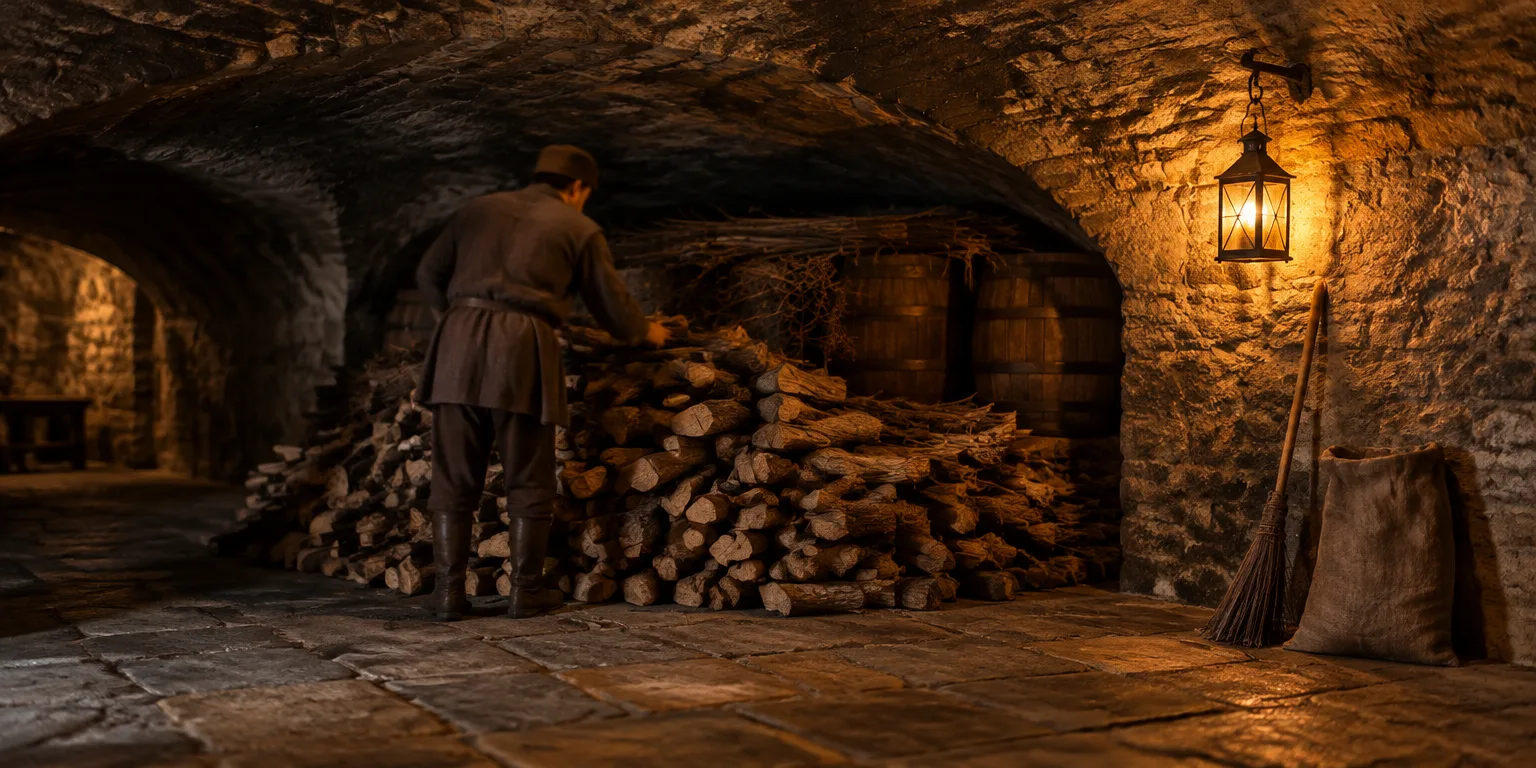
When royal searchers moved through the cellars beneath Parliament in early November 1605, they walked past 36 barrels of gunpowder hidden under firewood and brush.
They also walked past the man with the pile. He gave his name as John Johnson and said he worked for Thomas Percy, a gentleman with business at Westminster. At first, the searchers let him be.
The cover worked because the building made it believable. Westminster was then a cluster of medieval halls, meeting rooms, and tunnels used for storage and for slipping quickly from one place to another.
Percy had rented a nearby house and lodged Fawkes there as Johnson. The rental included access to the underground chamber, giving the plotters a way into the warren below.
It also worked because the cellar was busy. Servants, laborers, and tenants moved through it constantly, so one more man tending wood did not look strange on the first search.
Most of all, it worked because servants were socially invisible. Wealthy households sent servants out on errands all day, and a man who said he was acting for his master drew no second look at first.
One trickster of the period stole a leg of lamb by waiting until a butcher's boy left with a delivery, then stepping forward and claiming she had been sent out from the big house to meet him. She simply walked off with the meat.
Fawkes fit the part because London did not know his face. He had spent years as a soldier on the continent and had some familiarity with explosives, though not the elite expertise later legend gave him. The other plotters were better known in town, so the unknown man became the servant in the cellar.
Questions people ask
What was the undercroft where Fawkes was found?
A cellar or vault beneath a large building, used for storage. At Westminster, these underground rooms and passages connected different parts of the palace complex, and people used them to store fuel and supplies and to move between buildings.
Who was Thomas Percy, the man Fawkes claimed to serve?
Percy was one of the 13 conspirators and a gentleman with connections that let him rent property at Westminster. His status gave Fawkes both a house to live in and a plausible master to name when challenged.
What happened on the final sweep?
The servant story carried him through the first search. He was found again in the same place on the final sweep, on the evening of November 4 into November 5, and questioned about what he was doing.