Half of India's Billion-Dollar Startups Run on Poor Labor for Rich Customers
He says wealth is still measured by how many people serve you.
 Tomorrow, Today · India's Gig Economy, Education & The Future of Work | Chetan Bhagat | Tomorrow Today
Most Indians will never get into an elite college or pass a top government exam. Author Chetan Bhagat asks what happens to that other 99 percent, the young people whose degrees did not change their lives.
The label, in his words, is "It's P2R. It's poor to rich." More than half of India's internet unicorns, startups valued at over $1 billion, gather the labor of poor people and sell it as convenient services to about 30 million rich Indians, roughly the top 3 percent.
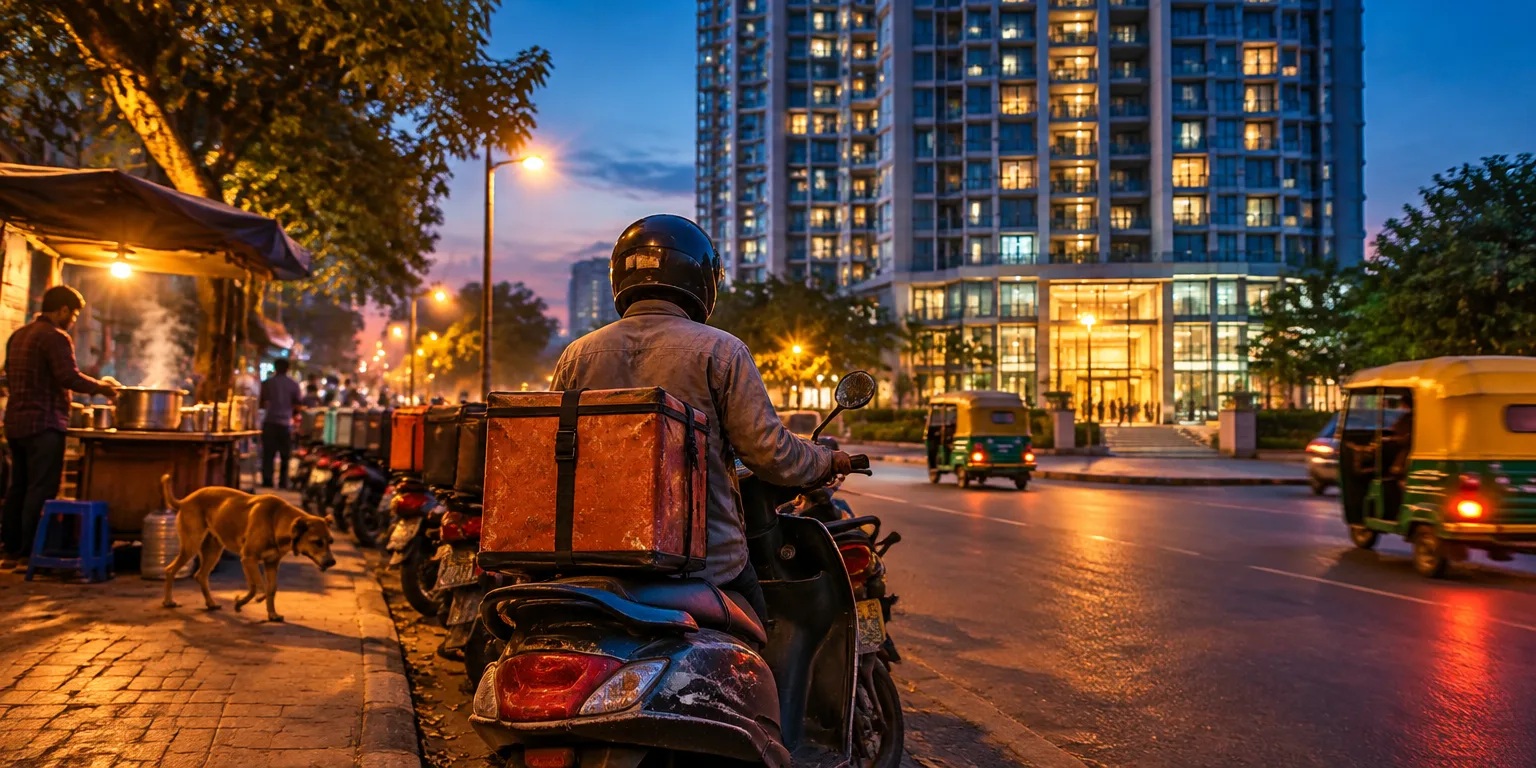
He names food delivery companies Zomato and Swiggy as examples, describing hundreds of thousands of hungry people brought together on bikes by technology.
The sharper point is how the work is packaged. A home cleaning app can send a helper to clean a house for 200 rupees and then leave, with no leave or vacation to manage, just "little packets" of labor. Bhagat calls that arrangement dehumanizing.
Bhagat says the system thrives because India is still feudal in how it defines success, where being rich is defined by how many people serve you and how much unpleasant labor you can avoid. He contrasts that with New York, where, in his words, a DoorDash pizza is "$50 by the time it reaches you" because of tips. He says it is growing 40% month on month, because the pool of young workers seems endless.
The question Bhagat leaves is what happens when those riders are 40 or 50, with families and tired bodies and no career to show for it.
Questions people ask
What is a unicorn?
A unicorn is a private startup valued at one billion dollars or more. The term was coined in Silicon Valley to suggest rarity, though there are now more than a thousand worldwide, including more than 100 in India.
Why does the same delivery model cost so much more in the United States?
Labor is far more expensive and regulated. Minimum wage rules, insurance requirements, and norms around tipping push the price of a delivered pizza to 40 or 50 dollars, so Americans use delivery less often and platforms must charge more or pay drivers less.
Do gig jobs have any upside for workers?
Yes, especially where formal jobs are scarce. Delivery and home service work offer quick entry, flexible hours, and cash income without a college connection or bribe. The tradeoff is insecurity, with no paid leave, health cover, or clear path to higher pay as workers age.