Happiness Is Gratitude Today Plus Something to Look Forward To
As work, health, and travel grow less certain with age, you have to work to keep something to look forward to.
 Curiosity Chronicle · 7 Things I've Changed My Mind On Recently
Last week, author Sahil Bloom was riding with his mother on a drive to get food when she offered an observation about getting older. Much of the advice his parents hear about happiness looks backward. People remind them of career success, of raising good children, of all the fine memories they made.
His mother said it was not much help, because happiness is not governed by the past. Bloom says she persuaded him. He now argues happiness is a function of two other things.
The first is gratitude in the present, for the here and now. The second is excitement for the future.
The problem, Bloom argues, is that the second half gets harder to see with age. When you are young, certain givens feel guaranteed. You assume you will have satisfying jobs, sound health, thriving family and friends, and travel and experiences ahead. With age, all of that grows uncertain, and excitement is no longer obvious.
So you have to squint harder, he says. The phrase became his shorthand for the effort required to keep future excitement in view when it no longer arrives on its own.
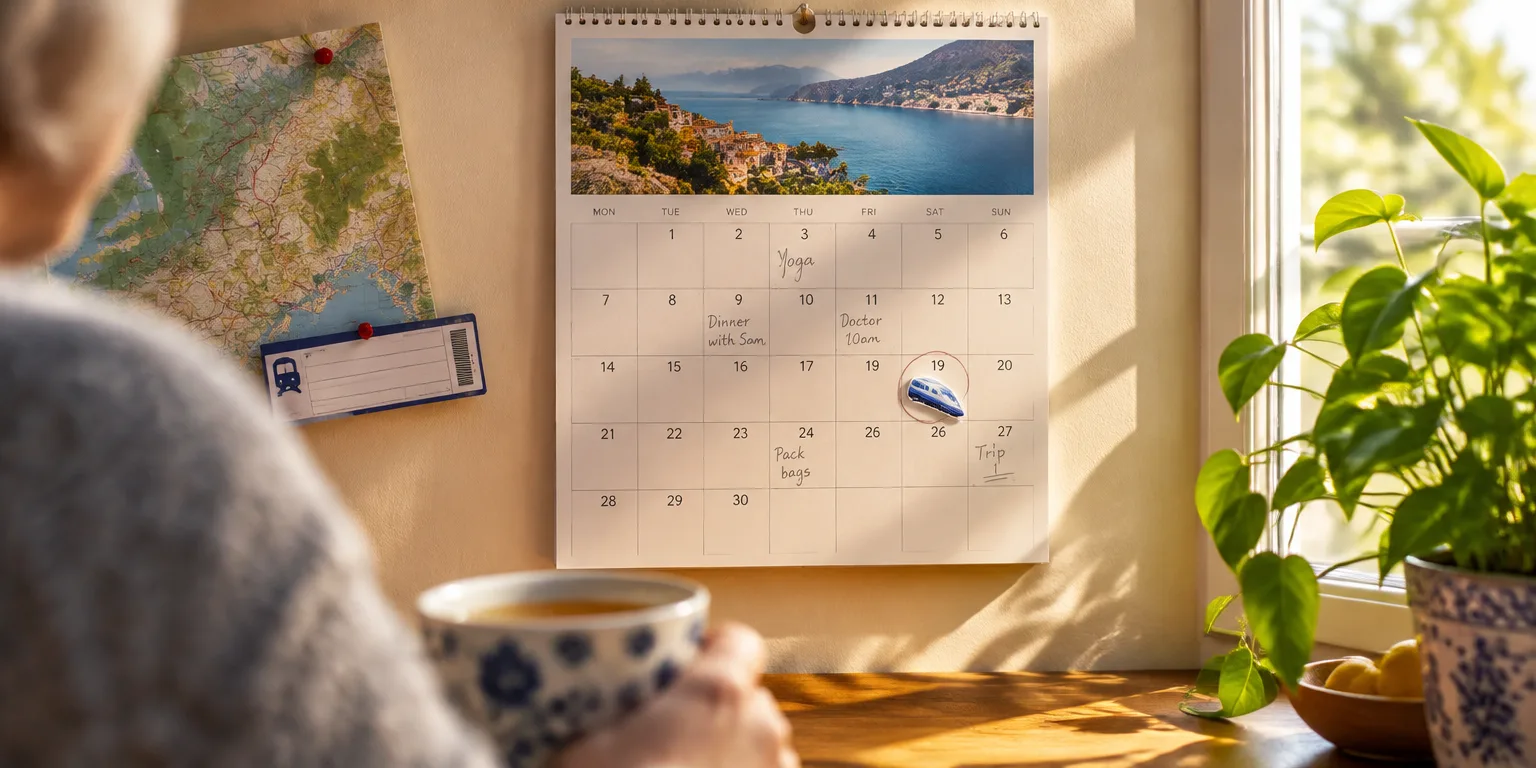
His prescription is deliberately practical. Bloom advises to "take action to put excitement on the calendar, big or small." He adds, "Take up new hobbies, read your favorite books, plan the trips, do the things."
Bloom offers the advice to his parents, to himself, and to anyone else feeling the past take up more room than the future. As Bloom puts it, "You just have to push yourself to see it." Squint harder. It is there.
Questions people ask
Does gratitude in the present really make people happier?
Yes. In positive psychology studies, practices like writing down three good things, saying thanks to another person, and noticing present comforts are linked to higher reported life satisfaction. The effect is usually modest and works best when the practice is regular and specific, rather than general.
Why would planning something help before it happens?
Research on anticipation finds that looking forward to an experience often brings as much enjoyment as the experience itself, and sometimes more. Psychologists call part of this rosy prospection, our tendency to imagine future good events fondly. Planning a trip, dinner, or visit can therefore pay off before it happens.
What is a simple way to put excitement on the calendar?
Experts often suggest small, dated commitments rather than vague intentions. That can mean booking a weekend trip, joining a class that meets weekly, starting a regular walk with a friend, or setting a date to try a new hobby. The key is that it sits on the calendar, so anticipation builds.