Happiness Literally Means What Happens to You
So wishing your child happiness is really wishing that luck lines up for them, forever.
 Good Inside with Dr. Becky · Resentment, Joy, and Why Moms Don't Believe They're Allowed Either
Bowler says the word happiness comes from the Norse happ, as in happenstance, so "Happiness is what happens to us." Writer Kate Bowler, talking with parenting expert Dr. Becky Kennedy, puts it this way: "happiness is what luck feels like."
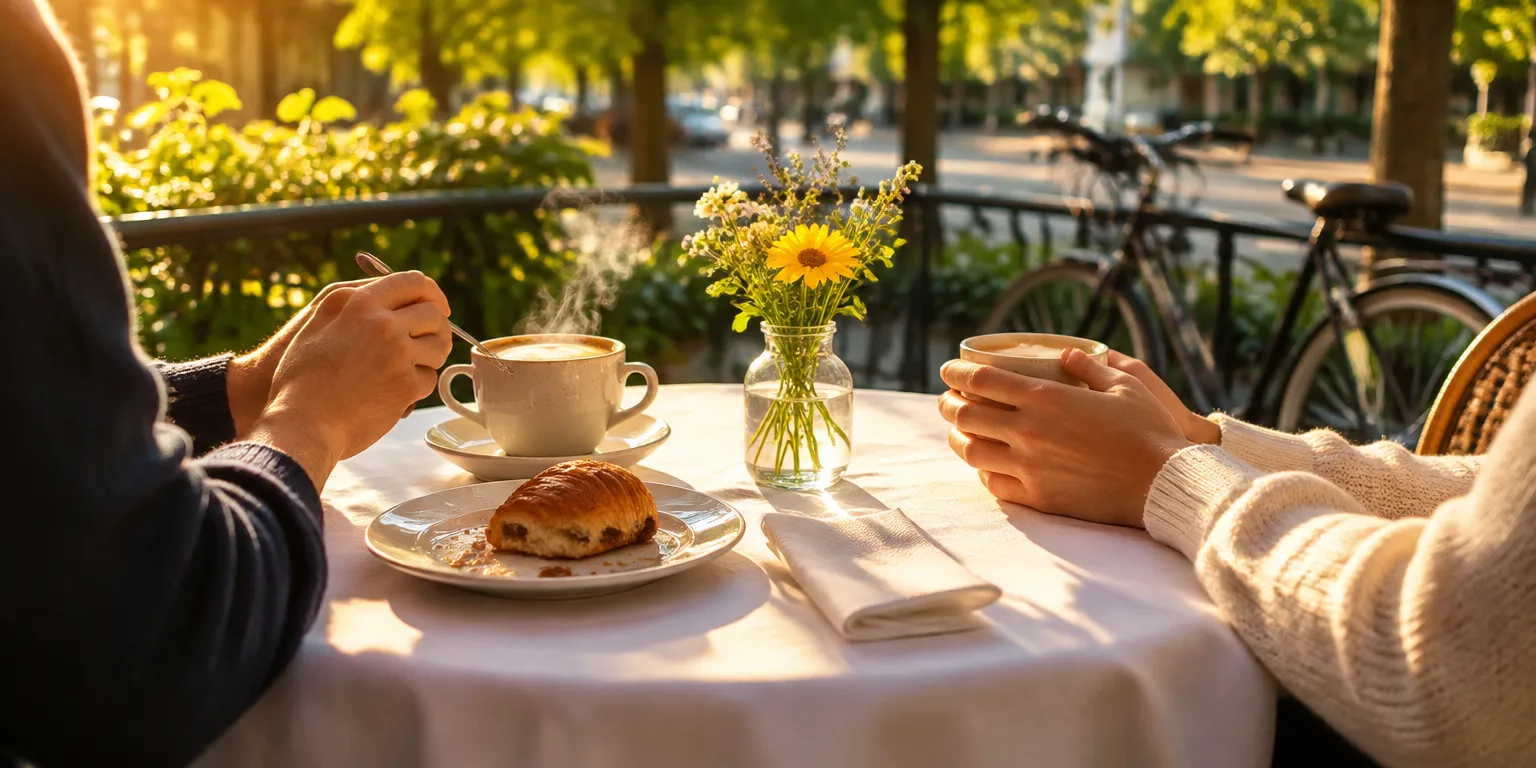
Happiness is many small things going your way at once. She points to "this delicious beverage, a conversation with a friend I love" and "a gorgeous setup." Added together, they let you settle in and feel relaxed. She calls happiness more like math.
That reframes the most common parental wish. As Kennedy follows the idea through, saying "I just want my kid to be happy" means "I just wanna create a life for my kid where everything happens to line up for them," forever.
Questions people ask
Is that Norse root real?
Yes. Happ meant chance, luck, or fortune in Old Norse, and it came into Middle English as hap with the same meaning. We still hear it in mishap, happenstance, and perhaps, meaning by chance.
If happiness is luck, can parents do anything about it?
Only partly. Parents can increase the odds of good moments with sleep, food, routines, and warm relationships. But they cannot control every small thing at once, which is why treating happiness as a goal can feel like an impossible job.
What is the alternative to chasing happiness?
Bowler contrasts happiness with joy. Happiness needs many conditions to line up, while joy can arrive in a single startling moment and does not require everything to be easy. That is why she argues joy is still available when happiness is not.