Haunted Houses Have Just Weeks to Make a Year's Money
To survive, operators rebuild the scares every year and pay for actors, gore, and fog while keeping every exit clear.
 The Headlines · America’s Utility Bill Crisis, and Trump’s Approval Rating Hits a New Low
A ticketed haunted house sells one feeling, being startled in the dark by actors, sounds, and tight turns. The business behind it is squeezed into a very short season.
There are an estimated 1,200 ticketed haunted houses around the country, and the weeks before Halloween must generate all the income they will get for the year. Turning a profit in that window can be bedeviling.
The first pressure is surprise. A haunted house has to totally reinvent itself each year, because customers are paying for not knowing when a performer will spring forward for a scare. A maze that scared people last October is old news this October, so walls move, scenes change, and scares get re-choreographed.
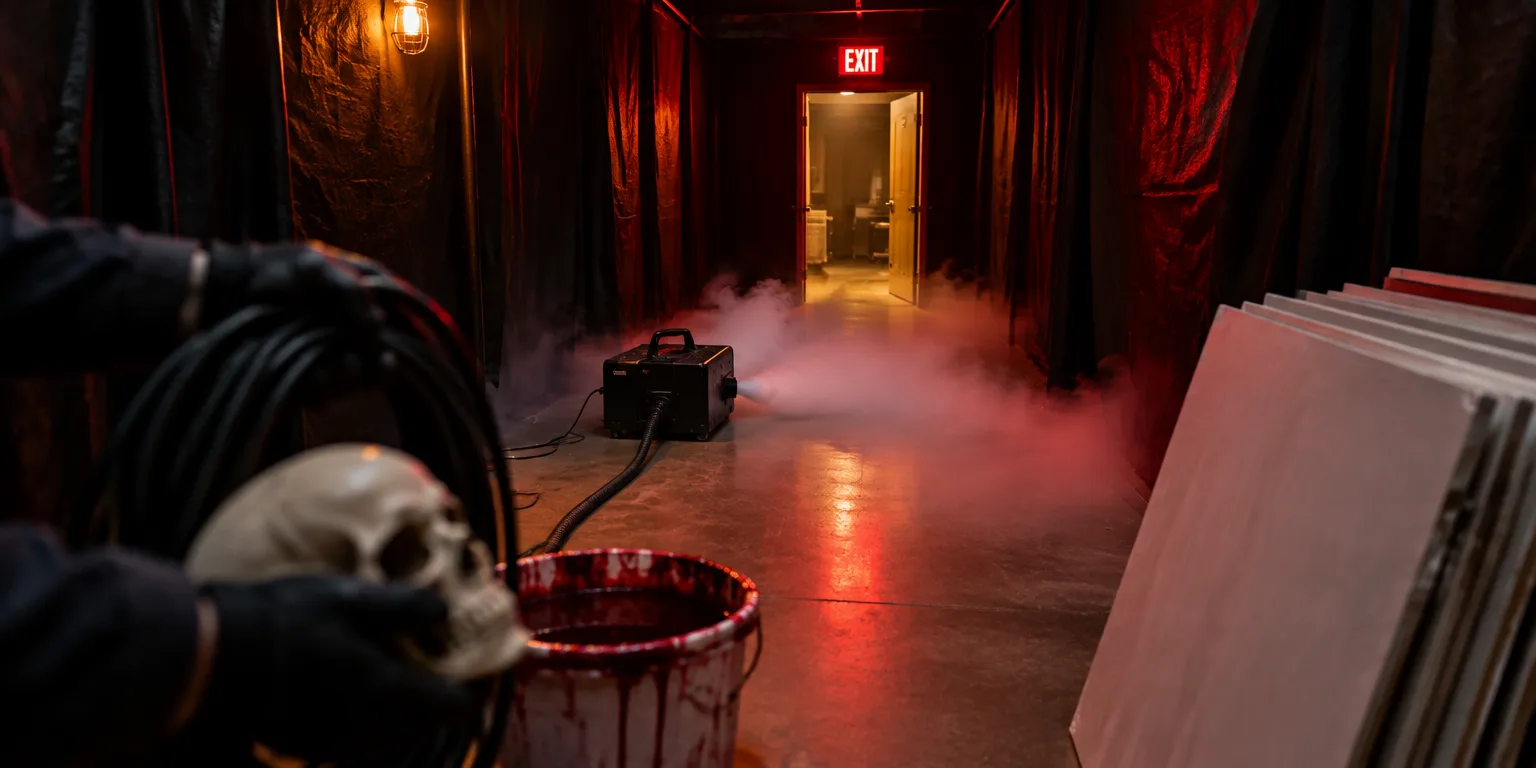
The second pressure is safety, and it works against the illusion. Operators want visitors to feel lost in dark and confusing rooms, but fire codes require clearly marked emergency exits and paths that can be emptied fast. So designers must work around exit and crowd-flow rules while still trying to frighten people.
Then there are the costs that pile up in a short run. Props, actors, fake blood, and makeup all have to be paid for out of those few weeks of ticket sales. Fog alone is a budget line. A haunted house in Manhattan, for example, puts more than $1,000 a year into just the fluid for its fog machines, a mix it calls swamp juice.
Once Halloween passes, the crowds disappear for another year, and the money taken in during those few weeks has to last until next October.
Questions people ask
Why can't a haunted house just reuse the same layout every year?
It can physically, but repeat customers are a big part of the business, and the scare depends on not knowing what comes next. Once visitors learn where actors hide and how the maze turns, word spreads and the surprise fades. Rebuilding keeps regulars coming back.
What do fire codes actually require in a haunted house?
Requirements vary by state and city, but they generally cover lit exit signs, clear aisles, limits on crowd size, fire-resistant materials, sprinklers or extinguishers, and staff who can evacuate the building. Inspectors often visit before opening, and mazes built from temporary walls and dark curtains get close attention.
What is fog-machine fluid made of?
Most commercial fog fluid is a mix of distilled water with food-grade glycerin or propylene glycol, heated into a thick vapor. It is often called fog juice, and haunted houses use scented or denser blends for a swampy effect. When used as directed with ventilation, it is generally considered low risk, though heavy exposure can irritate eyes and throats.