He Could Barely Stand, Then He Won What He Thought Was His Last Singles Match
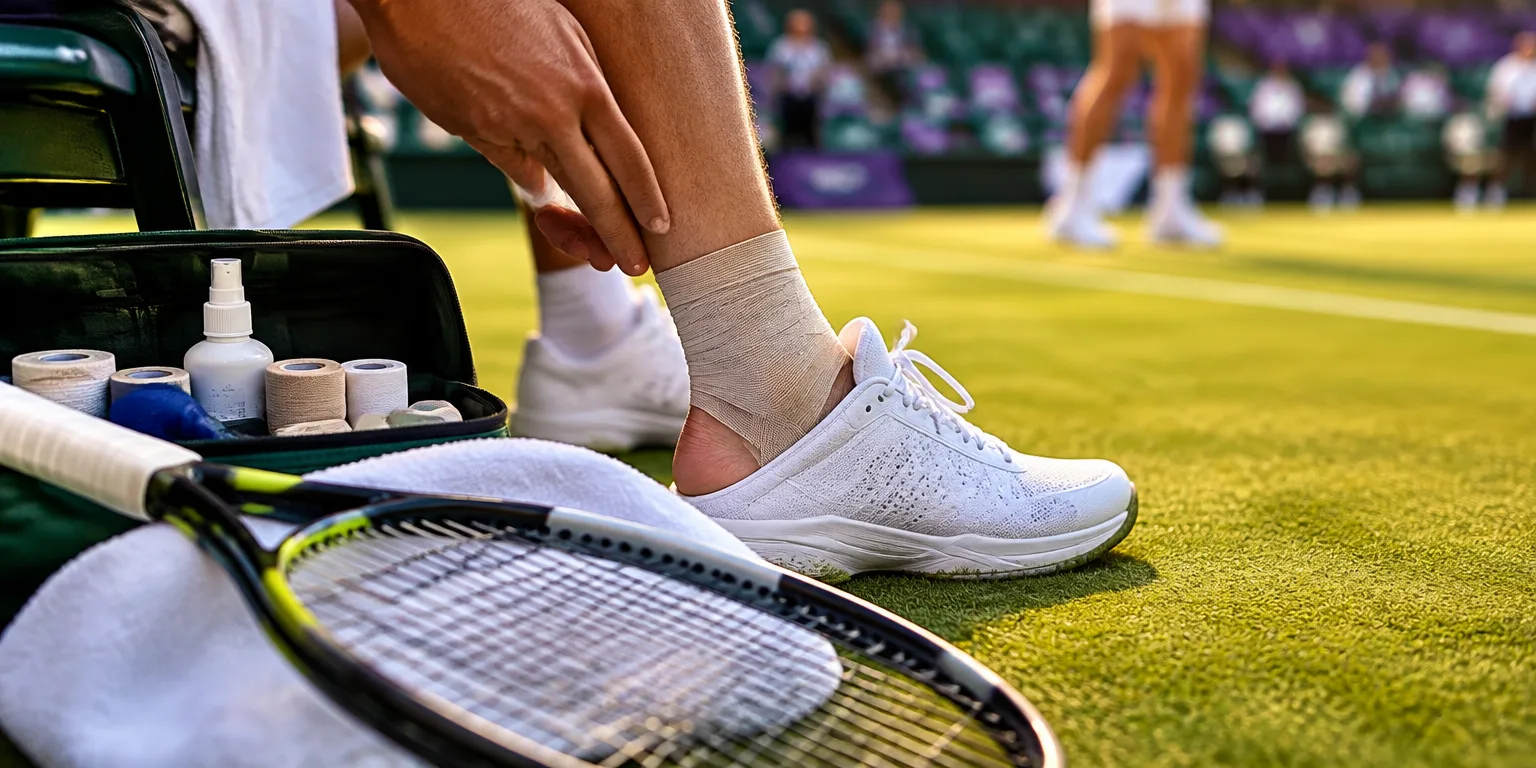
He could not press on his heel, needed a trainer to wrap his foot, and knew he could not survive five sets.
 Joys of Compounding · Christian Harrison: From Overcoming a Lost Decade to U.S. Open Champion - [Joys of Compounding, EP. 41]
Christian Harrison stood up from his chair at Wimbledon and could not stand. He had taken the second set 6-1, played great tennis, and sat for about two minutes while Jay Clark, his opponent, took a bathroom break. When Harrison tried to rise, he could not put weight on his foot.
Harrison, an American professional tennis player, was 28 then and already tired of how singles broke his body down. He could play for about three months at a time, then had to stop, rest, and start again. He had come into Wimbledon managing severe plantar fasciitis, a painful inflammation in the bottom of the foot, and taking pain medicine. He had told himself that one more serious setback would mean a move to doubles.
This is the story of a player winning a singles match at a Grand Slam on a foot that would not hold him, and deciding to enjoy it as a possible goodbye.
The trainer came while Clark was still gone and wrapped Harrison's foot so he could put a little pressure on it. He could not press on his heel without severe pain, and he was compensating badly on every step. Clark returned, saw what was happening, and started hitting underarm serves because Harrison could not move to chase them. Harrison hung on by serving well and going for his shots, and the match was halted for darkness.
He went to sleep hoping the foot would feel better in the morning, the way plantar fasciitis sometimes does. It did not. He walked onto the court knowing he had to win that set because he would not be able to play a fourth and a fifth.
He won it in a tiebreaker, winning a match at a Grand Slam in singles, which was one of the goals he had always wanted. Harrison said, "I never really cried after winning a tennis match," but now he felt happy tears. He told himself that if this was the last thing he did in singles, he was going to enjoy it.
It turned out he had chipped a piece of bone and left a small cavity in his heel. It did not need surgery, but it needed a long time to heal, and he missed his next match and much more time after that. Harrison said he was happy to start a new path in doubles, where he would not have to cover so much ground from sideline to sideline.
Questions people ask
What is plantar fasciitis?
It is inflammation of the thick band of tissue that runs across the bottom of the foot and connects the heel to the toes. It often causes sharp heel pain, especially with the first steps after rest, and it is common in runners and tennis players. Rest, ice, supportive shoes, and physical therapy usually help, but severe cases can take months to calm down.
What does it mean to win in a tiebreaker?
In tennis, a set tied late is decided by a tiebreaker, a first-to-seven-points game that decides the set. A player must win by two points. At Wimbledon, Harrison had to win that tiebreaker to close the set because he doubted his foot would last through more sets.
Why would doubles be easier on his body than singles?
A doubles court has four players, so each player covers less ground and points are often shorter, with more net play and quick reactions. Singles requires repeated hard sprints side to side for hours. For a player dealing with a sore foot, that difference in running load can decide whether a career continues.