He Sang the Toys R Us Jingle in Court. Then the Stores Went Dark.
Joshua Sussberg had weeks to line up billions and save a beloved retailer, and he was certain it would work.
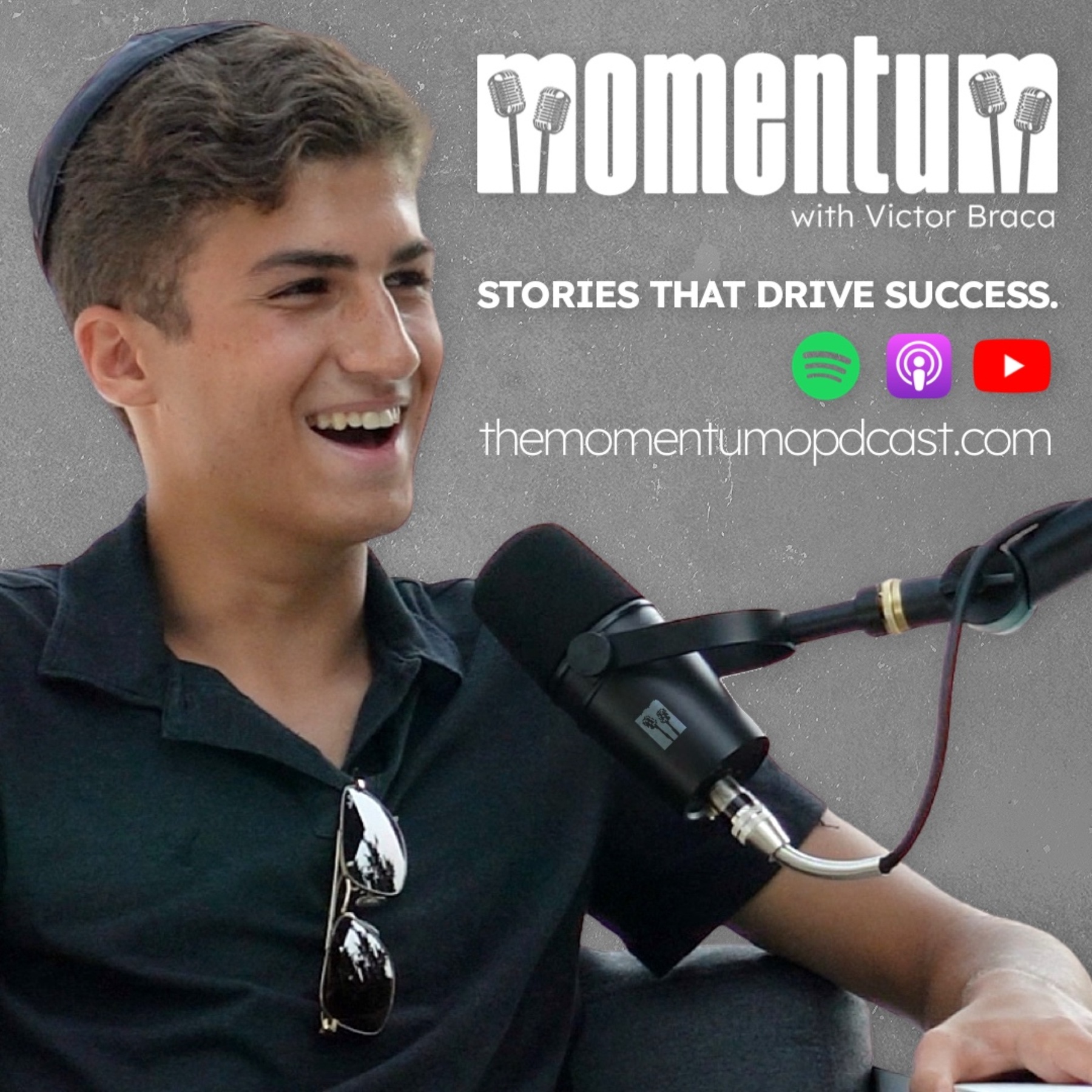 Momentum · Inside Kirkland & Ellis With One of Wall Street’s Top Lawyers | Joshua A. Sussberg, Partner at Kirkland & Ellis
Joshua Sussberg stood up in bankruptcy court and sang.
Sussberg, a restructuring partner at the law firm Kirkland & Ellis, was opening the Toys R Us bankruptcy case. The company operated in 38 countries and carried billions of dollars in debt, and his team had only a few weeks to get it ready to file. In that rush, they negotiated about $3.5 billion in financing to keep shelves stocked heading into the holiday season, when the retailer made almost all of its sales.
He was confident. Toys R Us was the kind of household name a bankruptcy lawyer dreams of representing, a store his own children finally recognized, and a brand nearly everyone in the room knew from childhood. So to make the case for saving it, he sang the famous jingle.
His instinct in court, he says, is to humanize companies, because real people work there, shop there, and depend on them. Early in his career, he watched another lawyer read a motion into the record, and he promised himself he would do it differently if he ever got the chance. He puts it this way: "you have two eyes, two ears, one tongue for a reason," meaning a lawyer should watch and listen before speaking. When he speaks, he wants the judge to remember the people behind the company.
At that first hearing, the plan seemed to be working. Sussberg told the court the business could be restructured, and the new money would buy time to fix its debts and pay the vendors who supplied the toys.
Then came the turn. A couple months later, he says, the economy, markets, and competition turned against the chain. Walmart, Target, and Amazon could price toys below cost since they sold everything else too. Toys R Us, a superstore built almost entirely on toys, could not afford to do the same.
The team scrambled to find a buyer to keep the chain alive. No rescue came, and the company had to wind down its business.
For Sussberg, who is usually hired in what he calls the darkest days of a company to bring calm to chaos, it remains both his greatest case and his worst. He calls it the hardest case he ever worked on, the one that taught him the most, and a failure, because his job is to save companies. He recalls his kids looking at him and saying, "Dad, what did you do?"
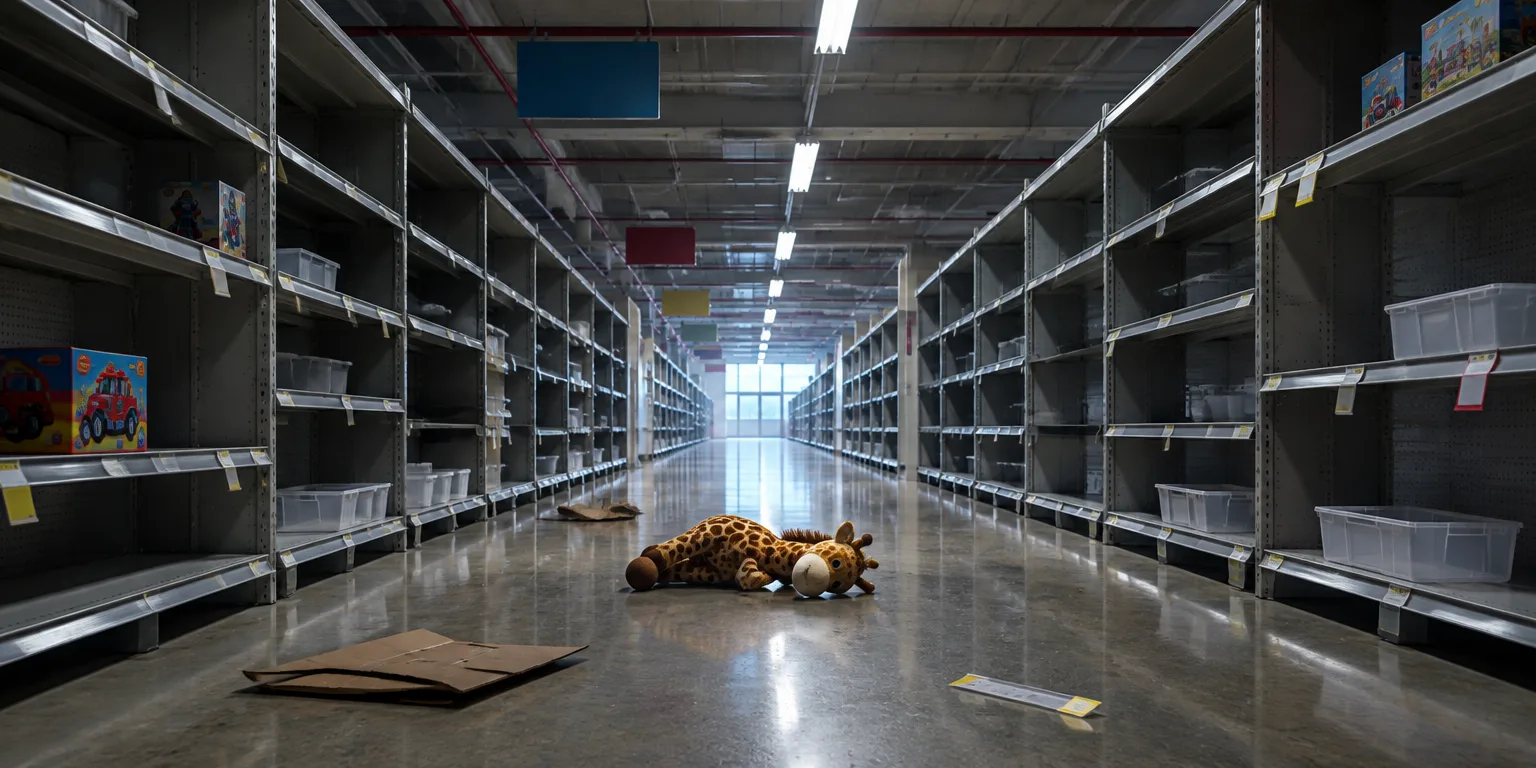
After the collapse, his next job was to shut the company down in an orderly way, to preserve as much value as possible and avoid years of costly fights among lenders and other creditors. He says the team did that, quickly and together. But the singing, the confidence, and the empty stores stayed with him.
Questions people ask
What happens at a bankruptcy first-day hearing?
Chapter 11 lets a struggling company keep operating while it tries to fix its debts under court supervision. At the first hearing, lawyers ask a judge to approve urgent steps, like new loans to pay employees and suppliers, so the business does not collapse right away.
Why was Toys R Us in trouble in the first place?
Toys R Us was loaded with debt from a leveraged buyout, which left it with large interest payments. That debt made it harder to invest in stores and online shopping, even as discount and online rivals cut toy prices.
What does a restructuring lawyer actually do?
They advise companies that cannot pay their debts, negotiating with lenders, suppliers, and other creditors. The goal is usually to reduce debt and keep the business alive, but if that is impossible, they try to sell it or shut it down while preserving value.