He Sold His Homebuilding Company but Kept a Clause That Brought Its Software Back
Five years after Tom Bradberry sold Colony Homes, the buyer left Atlanta and the cost-control program came back to him.
 Forbes · This Billionaire Builder Wants To Make Homes Affordable
In 2003, Tom Bradberry sold the Atlanta homebuilder he had run for almost three decades. The buyer was KB Home, and the price was $67 million. The sale included an unusual condition for his construction software, the computer system he used to schedule work and track costs.
Bradberry, now the 80-year-old executive chairman of Smith Douglas Homes, said he pushed KB Home to use the software. The definitive agreement said that if KB Home did not use it, he would get the software back.
Bradberry had picked up the program years earlier at a seminar in Denver, Colorado. The session involved Lee Evans, then dean of building construction at the University of Denver, who was working with a programming company to put the homebuilding process on a computer. Bradberry said he bought that software during the meeting and spent the next year putting it in place at Colony Homes.
The software let him grow while keeping a tight grip on expenses. His father had told him, “Son, if you watch the pennies the dollars will take care of themselves,” and Bradberry said that even today, with about 250 closings a month, one or two houses cost to the penny what the company said they would cost.
He pushed KB Home to use the program because, in his words, it was “by far superior to what they had.”
Five years later, KB Home left Atlanta. Bradberry was frustrated that the company had abandoned the market, got the software back, and used it to start Smith Douglas Homes.
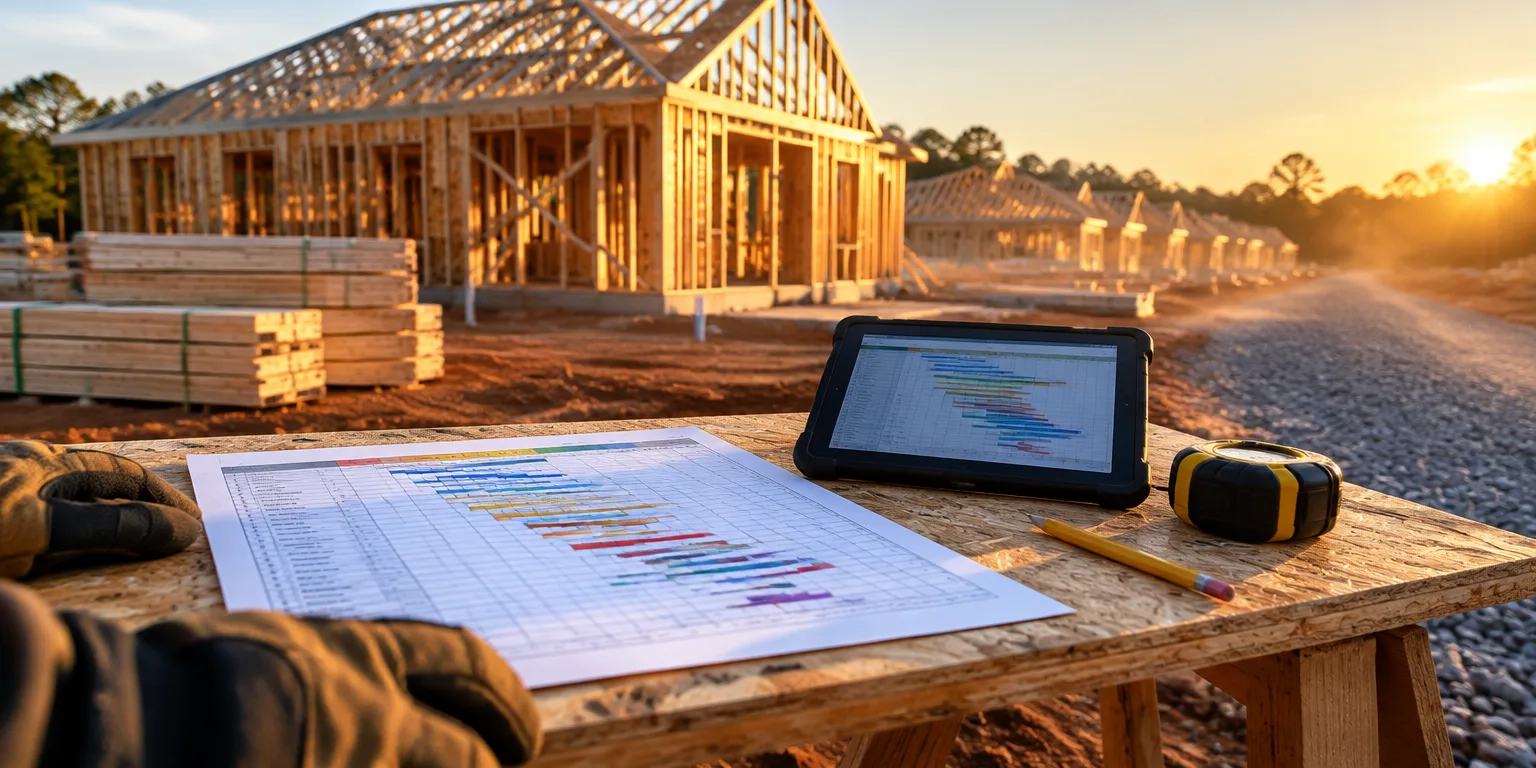
Afterward, Smith Douglas completed 15,000 houses, aimed largely at buyers with modest incomes, including people who build cars, teach school, and answer emergency calls, in Southern markets including Nashville, Charlotte, and Raleigh. The company reports an average build cycle of 59 days across its footprint, with a goal of getting back to 47 days. It owns the software outright, updates it with in-house programmers, and says any schedule change is visible to the company and its contractors within a second.
Questions people ask
What does homebuilding construction software actually do?
It schedules each step of construction, tracks what each house should cost, and shares changes with contractors. Smith Douglas says any schedule change is visible to the company and its trade partners within a second, so everyone works from the same data.
Why does owning the software matter to Smith Douglas?
Bradberry says Smith Douglas owns its program and uses in-house programmers to tailor it. He says schedule changes appear for the company and its contractors within a second, without waiting for a weekly update. He says rival systems offer some collaboration but not the same end-to-end link.
How fast does that system let Smith Douglas build?
Smith Douglas reports an average of 59 days from start to finish, with a goal of returning to 47 days. At the time Colony Homes was sold in 2003, Bradberry said the cycle was 46 days, which he called unheard of in the industry.