High Fertilizer and Fuel Costs Could Bring a Global Food Crisis in 2027
Weather trouble and shipping disruptions that take months to unwind would hit hardest in low-income countries where food takes half of household income.
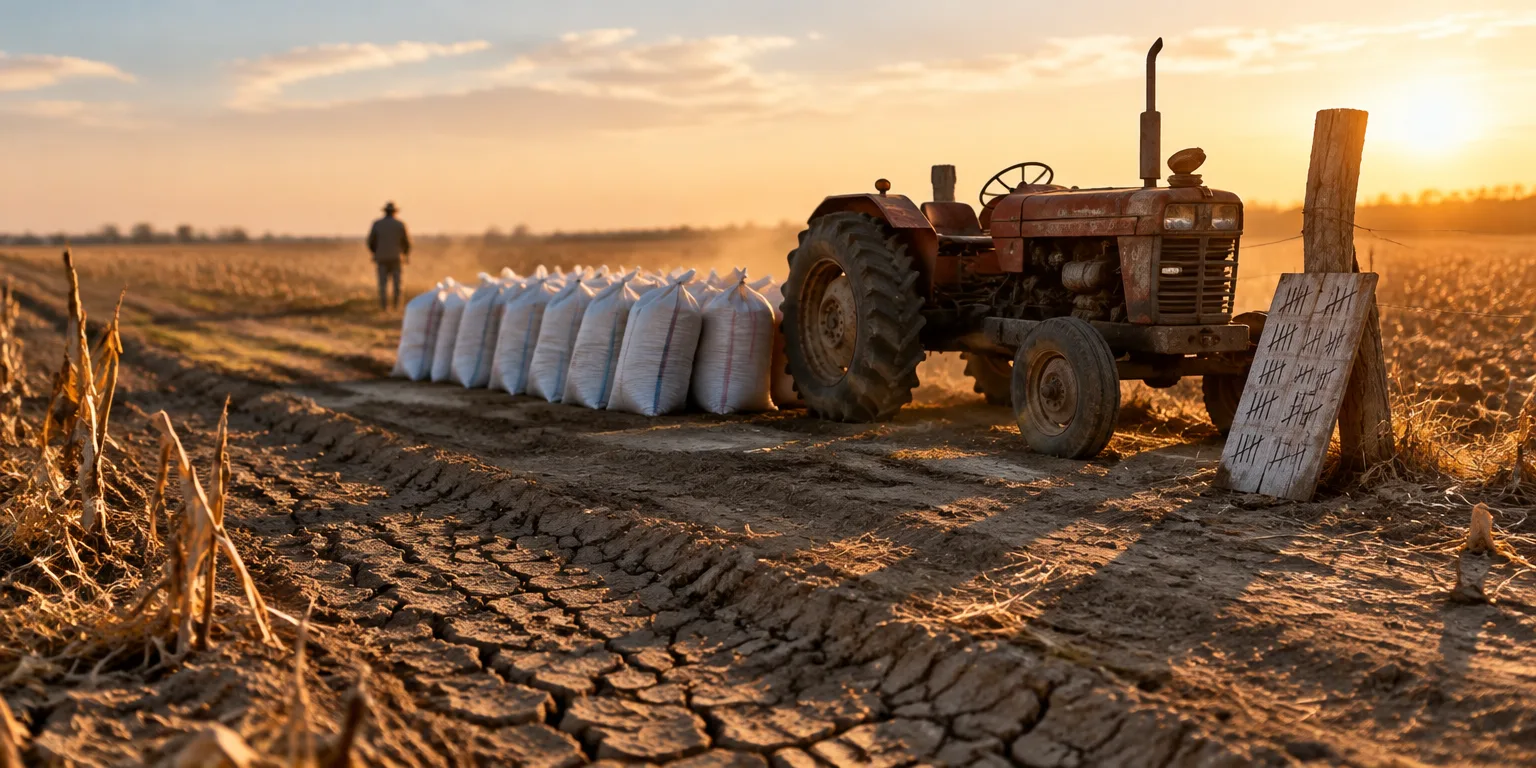
 world-grain.com · From the editor: High fertilizer, fuel prices threaten food security | World Grain
S&P Global warns in a recent report that expensive fertilizer and fuel raise the danger of a worldwide food emergency in 2027. The warning looks ahead to next year, when input costs and weather could combine to strain food supplies.
El Nino adds to the risk. It is a periodic warming of the tropical Pacific that can bring drought or heavy rain to farm regions, hurting harvests in major growing areas.
That matters because fertilizer and fuel are essential for growing food. According to the report, the conditions for a sharp rise in worldwide food insecurity have come together.
One pressure point is the Strait of Hormuz, an important global shipping lane. Fighting involving the United States, Israel and Iran has severely limited shipments there, and about one-fifth of the world's oil and liquefied natural gas moved through the strait before the conflict, along with a still larger share of fertilizer.
Fertilizer has also been squeezed by the Russia-Ukraine war. As part of that war, Ukrainian strikes on farm-related sites in Russia, a large maker and seller of fertilizer, have all but stopped Russian fertilizer exports through the Baltic Sea.
People in low-income countries face the greatest risk in 2027, the report says. Households there use about half their income for food, leaving families with little room to absorb higher prices.
Certainty and stability in grain trade are central to keeping food affordable and reducing hunger. Most analysts say trade flows would need months to return to prior levels even if fighting ends soon.
Questions people ask
Why do fuel and fertilizer prices affect food prices so much?
Farmers need fuel to run tractors, trucks, dryers, and irrigation pumps, and fertilizer prices closely follow natural gas prices because gas is used to make nitrogen fertilizer. When those input costs rise, farmers either pay more to plant the same amount or use less fertilizer and get smaller harvests, and both paths can push food prices higher.
Why are low-income households hit hardest by food inflation?
In higher-income households, food is a smaller share of spending, so a price rise is painful but manageable. When half of income goes to food, the same rise can force families to eat less, switch to cheaper and less nutritious food, or cut spending on health care and school.
If little grain passes through the Strait of Hormuz, why does it matter for food?
Little grain moves through the strait itself, but large amounts of fertilizer and fuel do. That means a blockage can raise the cost of growing food in many countries, even where grain ships travel by other routes.