High Schools Started 65 Minutes Later and Top SAT Scores Jumped 212 Points
In Teton County, Wyoming, car crashes among teens fell 70 percent after school started later.
 Talks at Google · Why We Sleep: Science of Sleep & Dreams | Matthew Walker | Talks at Google
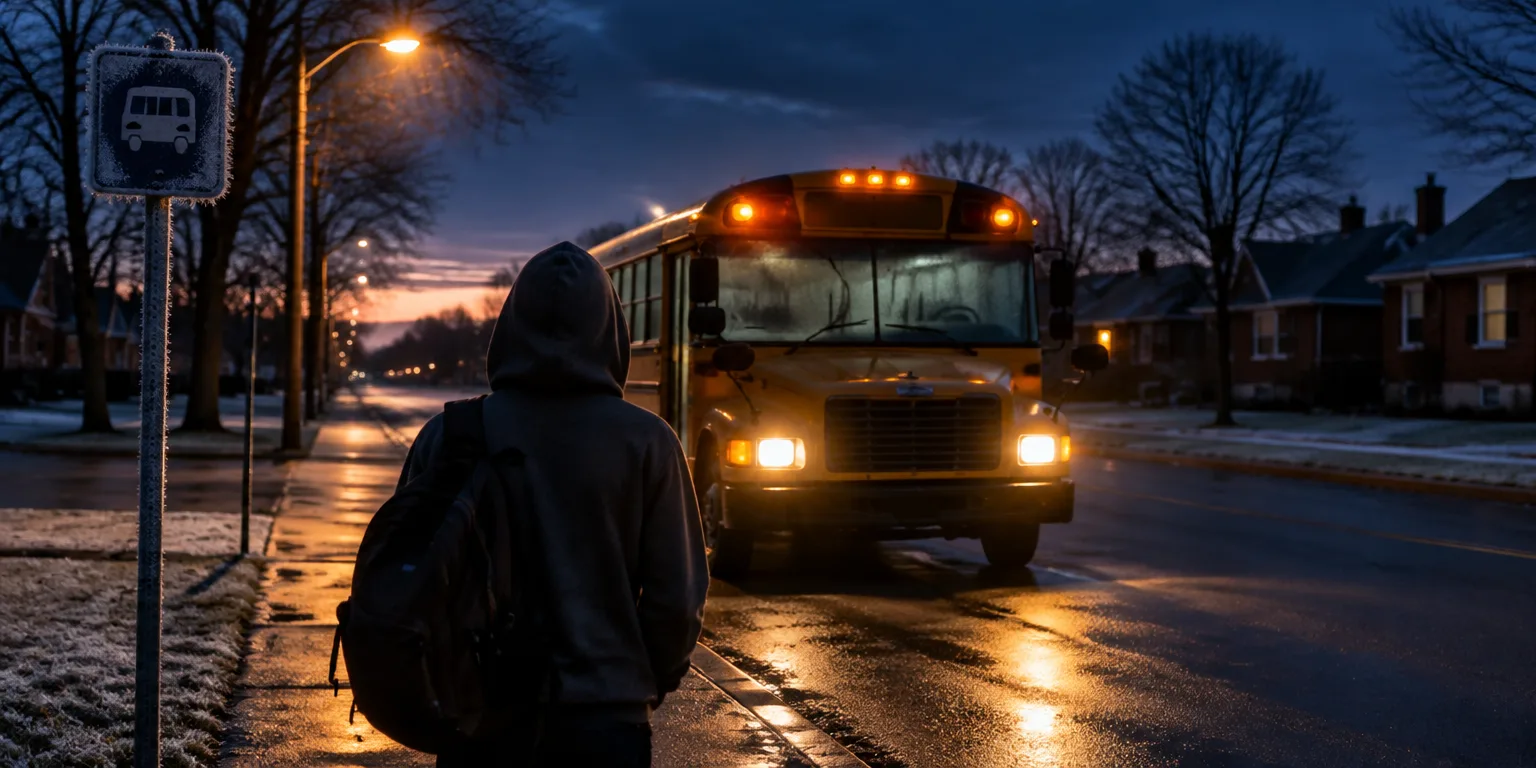
In Edina, Minnesota, the school buses start rolling around half past five in the morning. To catch them, some teenagers get up at 5:15, or 5, or even earlier, and ride through the dark to make a first bell at 7:25.
Matthew Walker, a sleep scientist at the University of California, Berkeley, calls that schedule lunacy. If sleep is essential for learning and memory, he argues, the place where more of it should matter most is school.
Edina, a township just outside Minneapolis, became one of the first places to test that idea. It moved its school start time from 7:25 to 8:30 in the morning, a delay of 65 minutes, and then measured the academic result using college entrance exam scores.
The district focused on the top 10 percent of students, arguably the group with the least room to improve. In the year before the change, those students averaged 1288, a very respectable score. The year after, with the later start, they averaged 1,500, up 212 points. Walker said that gain "will change which tier of university those school kids end up going to," and perhaps their life trajectories afterward.
Some people have questioned parts of that early Edina study, and Walker says he thinks for perhaps good reason. But he says later, carefully controlled studies of later starts have been unequivocal, with academic grades rising and behavioral problems, truancy rates, and psychological and psychiatric issues all falling.
Walker says something else happened that they did not anticipate: "the life expectancy of students actually increased."
The leading cause of death among older teenagers in most developed nations is car crashes, with suicide second. In Teton County, Wyoming, officials shifted school starts from 7:35 to 8:55 and then tracked crashes among 16 to 18 year olds. The students reported getting an extra hour of sleep, and vehicle accidents in that age group fell 70 percent.
For comparison, anti-lock braking systems, which keep wheels from locking so drivers can still steer under hard braking, cut accident rates by 20 to 25 percent, and Walker noted that "some deemed it to be a revolution." Here, Walker notes, a biological factor, sleep, cut crashes by up to 70 percent.
With plenty of sleep, he says, students learn far better. If schools truly aim to teach without putting lives at risk, he says, he fears they may be letting children down badly by starting classes so early.
Questions people ask
Why do teenagers struggle so much with early mornings?
Teenagers go through a natural shift in circadian rhythm during puberty, releasing the sleep hormone melatonin later at night. That makes it biologically hard for most teens to fall asleep before about 11 p.m., even when they are tired. Waking at 5 a.m. therefore cuts their night short, which is why pediatricians recommend high schools start at 8:30 or later.
Did only the best students benefit from later starts?
No. Edina highlighted its top 10 percent, arguably those with the least to gain, which made the 212-point jump especially striking. In later, controlled studies of delayed starts, Walker reports that grades rose more broadly while behavioral problems, truancy, and mental health issues declined. The biggest gains often showed up in first-period classes, where sleep loss had previously lowered performance.
How does more sleep prevent car crashes?
As general background, short sleep is known to slow reaction time, narrow attention, and cause brief lapses in alertness. Teen drivers are already inexperienced, so fatigue can raise crash risk. The Teton County study measured a 70 percent drop after the later start, but it did not test which mechanism caused it.