His AI Writes Almost All the Code, but Humans Still Check It
Glean founder Arvind Jain says AI can crank out huge volumes of software, but understanding it months later is another problem.
 20VC with Harry Stebbings · Why OpenAI and Anthropic Won't Win the App Layer | Glean Founder
Inside Glean, an AI company that sells software to large businesses, the bottleneck had moved.
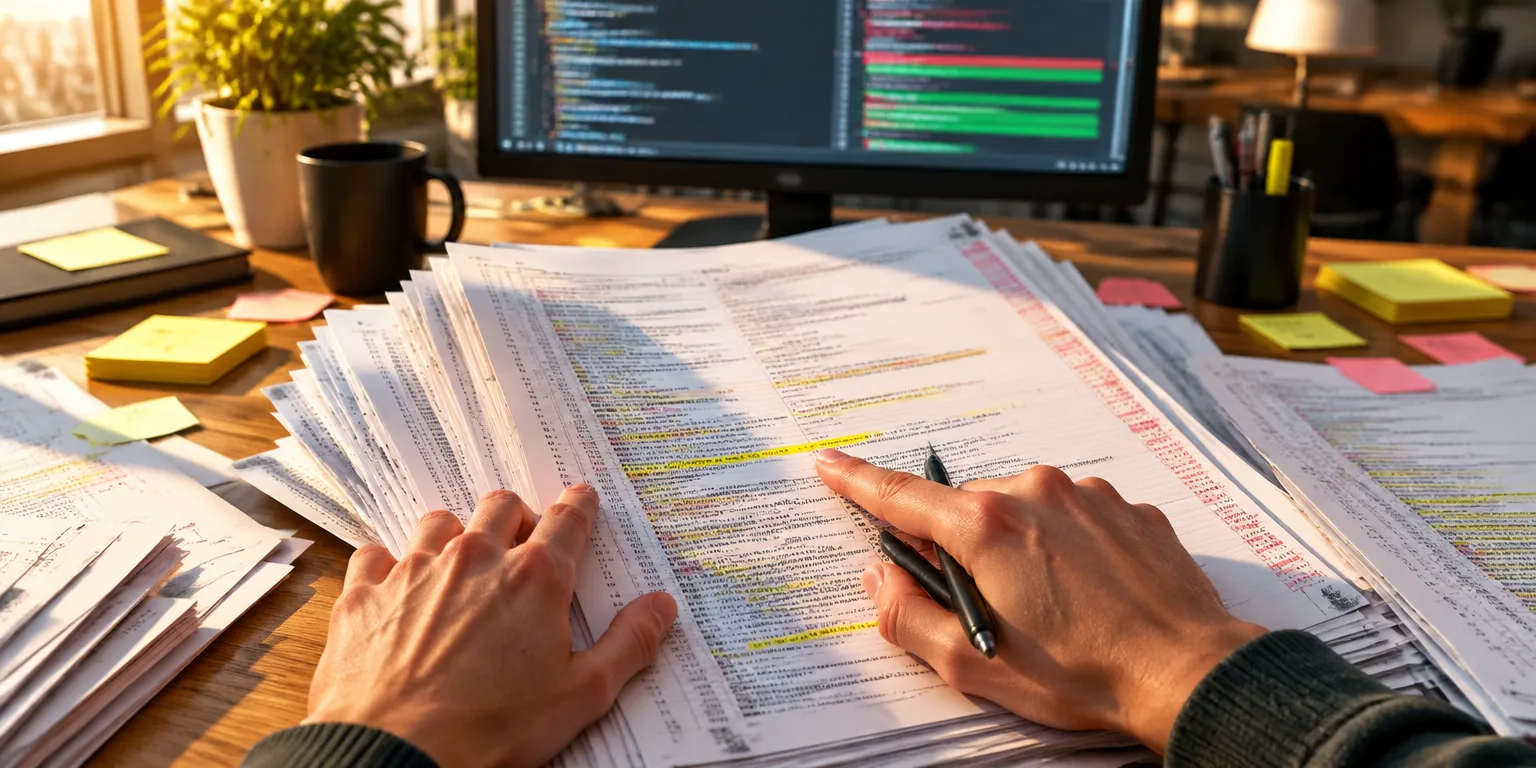
Nobody was writing the first draft of code by hand anymore. Arvind Jain, the founder, said almost 100 percent of the company's code starts with AI. The slow part was what came next, the human check before new code goes into the shared library that runs the product.
So someone inside the company made the obvious proposal: get rid of code reviews altogether. Just let the AI write the code and put it straight into the system. Jain said many other companies are already doing exactly that.
The interviewer pointed out the appeal. Strict human checks could erase the speed advantage from letting AI do the writing.
Jain said that is true. His answer was that Glean accepts the extra burden of checking the code, because the writing itself is now so much faster that the company is still faster than before. The engineer who prompts the AI to write the code does the first review.
The reason for keeping that step, Jain said, is what happens over time. AI can produce an enormous volume of code, even a million lines, but that code becomes incredibly hard to maintain, understand, and manage. The company, like much of the industry, is still learning how to use AI well and is only beginning to think through the long term consequences.
Asked whether AI itself could handle that cleanup, through automatic fixes for structure and security flaws, Jain said it is not that perfect right now.
Glean requires a person to review and approve new AI-written code before it can be added to the company's code repositories.
Questions people ask
What actually happens in a code review?
A second engineer reads a proposed change before it is added to the shared codebase. That person checks whether the code does what it claims, whether it is clear, and whether it could break or expose something else. It is quality control, and a way to spread knowledge so more than one person understands the system.
Why would AI-written code be harder to maintain?
AI assistants tend to produce a large volume of literal code that works in the moment but does not follow a consistent plan. Jain's point is that the difficulty comes later, when the team has to maintain, understand, and manage that code over time.
Can AI review code instead of humans?
In general industry practice, automated tools are often used for a first pass to flag likely bugs and style issues. At Glean, Jain says AI help with restructuring code and checking security is not that perfect right now, which is why the company still requires human approval.